Galvanized steel can be welded successfully, but the zinc coating changes both the welding process and the safety requirements. Zinc near the joint can vaporize under welding heat, contaminate the weld, and create zinc oxide fume. The safest approach is to remove the coating around the joint, control fumes at the source, use the welding procedure specified for the job, inspect the finished weld, and restore the damaged corrosion protection.
Quick Answer
Yes, galvanized steel can be welded. Remove the zinc coating from the weld zone, clean both sides of the joint, capture welding fumes with local exhaust ventilation, and use the process and filler metal required by the applicable welding procedure. After inspection, restore the damaged galvanized coating with an ASTM A780/A780M-compliant repair method.
Key Takeaways
- Remove zinc from the weld zone before welding whenever the applicable procedure allows or requires it; American Galvanizers Association guidance recommends clearing about 1–4 inches on each side of the intended weld and on both sides of the workpiece.
- Use local exhaust ventilation or source extraction to capture zinc-containing welding fume before it reaches the breathing zone.
- Do not treat a P100 respirator as a universal requirement. Respiratory protection must match the actual contaminants, exposure level, oxygen conditions, and applicable workplace program.
- Do not assume one electrode sequence is correct for every job. Use the welding process, filler metal, joint preparation, and parameters required by the applicable WPS, code, or manufacturer instructions.
- Inspect the completed weld before restoring corrosion protection with an ASTM A780/A780M-compliant zinc-based solder, zinc-dust paint, or sprayed-zinc repair system, as permitted by the project specification.
At a Glance
| Time Required | Varies with joint size, access, coating removal, welding process, inspection, and coating repair. |
| Difficulty | Intermediate to advanced; structural or code-controlled work requires a qualified procedure and qualified personnel. |
| Tools Needed | Suitable grinder or approved coating-removal tools, wire brush, welding machine and specified consumables, local fume extraction, welding PPE, inspection tools, and an approved galvanizing-repair product. |
| Cost | Variable. Consumables may be inexpensive, but proper ventilation, respiratory protection, inspection, and coating restoration can add significant cost. |
Warning: Welding galvanized steel is hot work that can generate hazardous fumes. Do not weld or cut a drum, tank, pipe, hollow section, or other container that may contain flammable, toxic, or pressurized material until it has been properly evaluated, cleaned, vented, and made safe. Confined-space welding requires additional ventilation, atmosphere, rescue, and respiratory-protection controls.
Why Is Galvanized Steel Hard to Weld?
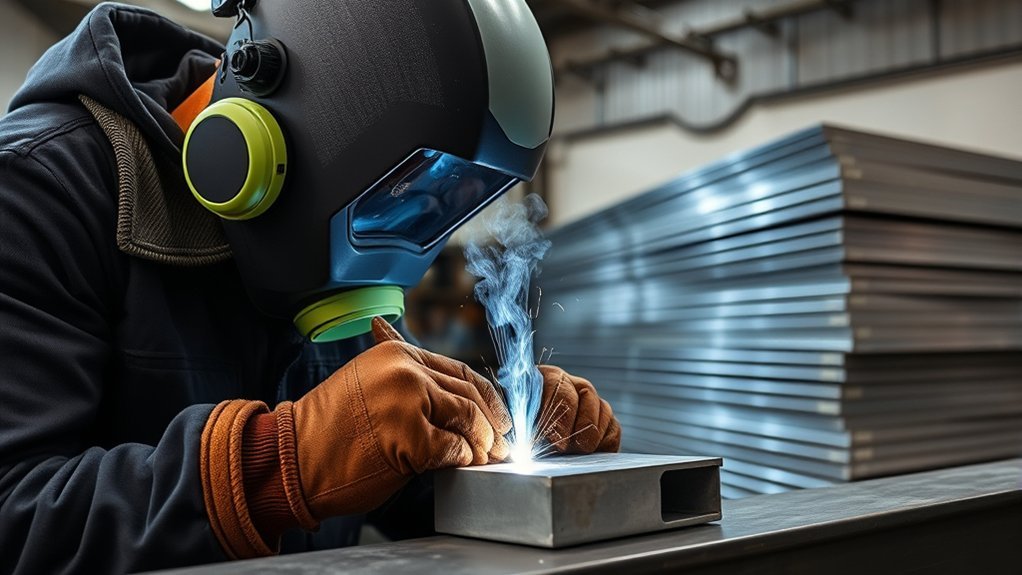
Galvanized steel is more difficult to weld than clean, uncoated steel because the zinc coating reacts to welding heat before the underlying steel melts. Zinc near the arc can form zinc oxide fume and can interfere with puddle behavior, arc stability, and fusion if it remains in the weld zone.
Porosity, excess spatter, inclusions, and inconsistent penetration become more likely when zinc, dirt, paint, oil, moisture, or other contamination remains near the joint. The amount of trouble depends on coating thickness, joint design, process, heat input, welding position, and how effectively the joint was prepared.
The safest and most predictable weld starts with clean steel at the joint and effective control of the fumes generated by the welding process.
The American Galvanizers Association guidance on welding galvanized steel recommends removing the zinc coating from the intended weld area before welding. All commonly practiced welding processes can be used on galvanized steel when the process, preparation, and parameters are appropriate for the joint.
If preparation also requires cutting or trimming material, equipment selection still matters. Comparing the performance vs. cost of cutting equipment can help with fabrication planning, but cutting equipment does not remove the need to control zinc-containing fumes and prepare the final weld surfaces correctly.
How Do You Prep Galvanized Steel for Welding?
Start by confirming exactly what is on the steel. Galvanized material may also carry paint, grease, oil, sealants, corrosion products, or other coatings. Older or industrial components can contain additional hazardous materials, so do not assume the only contaminant is zinc.
For hot-dip galvanized steel, American Galvanizers Association guidance recommends removing zinc about 1–4 inches from each side of the intended weld zone and on both sides of the workpiece. The actual preparation must still comply with the governing welding procedure, project specification, and joint design.
- Identify the base metal and coatings. Check drawings, material records, labels, SDS information, and project requirements where available.
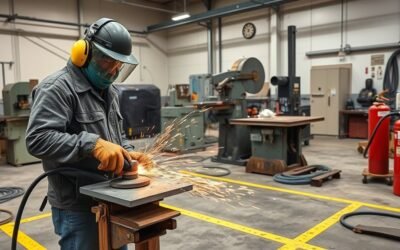
- Remove zinc from the weld zone. Grinding is a common method. Control the dust generated during grinding as well as fumes generated during welding.
- Clean both sides of the joint. Remove oil, paint, rust, moisture, grinding residue, and loose contamination.
- Inspect seams and edges. Zinc hidden on the back side, inside a lap joint, or around an edge can still heat and generate fume.
- Check fit-up. Use the root opening, bevel, alignment, and tack-weld arrangement required by the welding procedure.
Warning: Do not use chlorinated degreasers or leave chlorinated-solvent vapors near arc-welding operations. OSHA specifically warns that chlorinated-hydrocarbon degreasing operations must be kept away from welding atmospheres where ultraviolet radiation can create additional hazardous decomposition products.
A wire wheel or appropriate abrasive can help remove remaining residue after the primary coating-removal step. If a plasma cutter is used during fabrication, a non-touch pilot arc can help with cutting operations, but the final weld zone still needs to be cleaned to sound base metal before welding.
Pro Tip: Prepare the back side of the joint as carefully as the front. Zinc left behind a seam or lap can continue to vaporize into the weld area even when the visible face looks clean.
What Is the Best Way to Weld Galvanized Steel?
There is no single best welding process, electrode, or filler metal for every galvanized-steel joint. The correct choice depends on the base metal, thickness, joint type, position, structural requirements, applicable code, and the qualified welding procedure.
After the zinc has been removed from the weld zone and the joint is clean, weld the exposed base steel using the same disciplined controls required for comparable uncoated steel. GMAW/MIG, SMAW/stick, FCAW, GTAW/TIG, and other processes may be suitable when the procedure is appropriate for the application.
Do not automatically use a 6010 root followed by 7018 simply because the material is galvanized. Electrode classification and sequence should come from the applicable WPS, engineering requirements, or manufacturer instructions. If you are still choosing equipment for general fabrication, this guide to key features and considerations explains the practical differences among common welder types.
Step-by-Step Welding Sequence
- Confirm the job requirements. Identify the steel grade, coating, structural requirements, WPS, and applicable code or specification.
- Make the work area safe. Remove combustible materials, control sparks, arrange ventilation, and follow the required hot-work procedure.
- Remove the galvanized coating around the joint. Clean both sides to sound metal as required by the procedure.
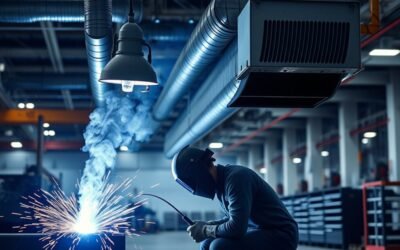
- Set up source extraction. Position local exhaust so fumes are pulled away from the welder instead of through the breathing zone.
- Weld to the approved procedure. Use the specified process, consumable, polarity, parameters, joint fit-up, travel technique, and interpass controls.
- Clean and inspect the weld. Remove slag and spatter and evaluate the joint against the applicable acceptance criteria.
- Restore corrosion protection. Repair the damaged galvanizing only after the weld has been accepted.
How Do You Control Zinc Fumes?
The first goal is to prevent welding fumes from entering the breathing zone. OSHA’s 29 CFR 1910.252 welding standard requires local exhaust arrangements for indoor welding or cutting involving zinc-bearing metals or zinc-coated materials.
Place the extraction hood or source-capture nozzle close enough to the arc to capture the plume before it passes the welder’s face, while avoiding airflow that disrupts shielding gas. A properly designed gun-mounted extractor can also be effective for suitable GMAW/MIG applications.
General room ventilation can help dilute contaminants, but dilution alone is less reliable than capturing fume at its source. Ventilation equipment must be maintained so clogged filters, damaged hoses, or weak airflow do not reduce performance.
The OSHA permissible exposure limit for zinc oxide fume is 5 mg/m³ as an 8-hour time-weighted average, as shown in OSHA’s Annotated Table Z-1. That value applies to zinc oxide fume; the complete welding-fume mixture can contain other substances with their own hazards and exposure limits.
Exposure monitoring may be appropriate when the adequacy of controls is uncertain, when the process changes, or when a workplace assessment requires measurement. It should not be replaced by judging exposure only from whether visible smoke is present.
Note: A welding helmet protects the eyes and face from arc radiation and flying particles; it is not a fume-control device. Keep your head out of the plume and use effective engineering controls.
Reliable extraction equipment is more important than simply buying more accessories. If you are upgrading a shop, discounts on reliable welding gear can reduce equipment cost, but ventilation performance still needs to be suitable for the actual process and workspace.
What About Confined Spaces?
Confined-space welding requires much stricter controls. OSHA requires adequate ventilation to prevent accumulation of toxic material and oxygen deficiency. If adequate ventilation cannot be provided, appropriate NIOSH-approved atmosphere-supplying respiratory protection may be required under the applicable standard and respiratory-protection program.
Warning: Never use oxygen to ventilate a confined space. Oxygen enrichment greatly increases fire risk. Confined-space welding may also require atmospheric testing, an attendant, rescue provisions, and additional controls beyond those used for ordinary shop welding.
What PPE Do You Need?
PPE is the last layer of protection, not a substitute for removing hazards or controlling welding fume at the source. Typical welding PPE includes a welding helmet with the correct filter shade, safety glasses with side protection, flame-resistant clothing, welding gloves, suitable footwear, and hearing protection where noise levels require it.
For grinding, chipping, and wire-wheel work, use the eye and face protection appropriate for flying particles. Gloves with durable heat- and abrasion-resistant construction are useful; this guide to welding gloves with reinforced patches covers features commonly used around heat and spatter.
Do You Always Need a P100 Respirator?
No single particulate-filter class is automatically correct for every galvanized-steel welding job. The NIOSH Pocket Guide for zinc oxide lists different respirator options at different concentrations, including several N-, R-, and P-series filters. Welding fume can contain contaminants other than zinc oxide, and particulate filters do not protect against oxygen deficiency or every gas or vapor.
Where an employer requires a tight-fitting respirator, OSHA’s Respiratory Protection Standard, 29 CFR 1910.134, requires a written program that includes proper respirator selection, medical evaluation, fit testing, training, maintenance, and other program elements.
A P100-equipped respirator may be selected for some welding-fume situations after the hazards are assessed, but it should not be presented as a universal substitute for local exhaust ventilation.
How Do You Inspect and Repair the Weld?
After welding, clean the joint so slag, spatter, soot, and residue do not hide defects. Visual inspection should look for issues such as cracks, undercut, overlap, incomplete fusion visible at the surface, excessive porosity, incorrect weld size, and other defects covered by the applicable acceptance standard.
For structural or code-controlled work, inspection requirements come from the project specification, engineering documents, and applicable welding code. Nondestructive examination such as magnetic-particle, ultrasonic, liquid-penetrant, or radiographic testing may be required depending on the material, joint, service, and defect type; it should not be added arbitrarily to every galvanized-steel weld.
If a defect is found, repair it using an approved procedure and reinspect the weld before restoring the coating. Choosing the correct consumable is part of weld integrity, and this guide to weld integrity and general-use electrodes can help explain common electrode characteristics, although the job’s WPS remains controlling.
Document required inspection and repair results for traceability when the project specification, quality plan, employer procedure, or code calls for records.
How Do You Restore the Zinc Coating?
Once the weld is accepted, repair the galvanized coating to restore corrosion protection. The active ASTM practice is ASTM A780/A780M-20, which addresses repair of damaged and uncoated areas of hot-dip galvanized coatings.
The American Galvanizers Association’s repair guidance describes the three ASTM A780/A780M repair-material categories:
- Zinc-rich or zinc-dust paint: practical for many field repairs when the product, surface preparation, and dry-film thickness meet the applicable requirements.
- Zinc-based solder: a metallic repair method using suitable zinc-alloy repair material.
- Sprayed zinc or metallizing: zinc is thermally sprayed onto properly prepared steel to produce a metallic coating.
Do not select a product solely because its label says “cold galvanizing.” Confirm that the repair material and application method comply with ASTM A780/A780M and any project-specific coating requirements.
Surface preparation is critical. Remove slag, oxides, moisture, oil, loose coating, and other contaminants, and prepare the bare steel to the cleanliness required for the selected repair system. Apply the repair material to the specified thickness and inspect the finished area for complete coverage and adhesion.
If MIG welding is part of the job, the shielding-gas setup should also follow the welding procedure and gas-supplier requirements. This shielding-gas guide explains common gas choices and cylinder considerations, but cylinder markings are separate from ASTM A780 galvanizing repair requirements.
Frequently Asked Questions
Is It Safe to Breathe in Fumes When Welding on Galvanized Steel?
No. Galvanized-steel welding can generate zinc oxide and other welding-fume constituents that should not be inhaled. Zinc oxide exposure can cause metal fume fever, with symptoms such as fever, chills, cough, muscle aches, nausea, headache, chest tightness, and breathing difficulty. Use source extraction and other required controls, and seek medical evaluation for significant or persistent symptoms after exposure.
Why Do Welders Drink Milk After Welding Galvanized Steel?
The practice comes from an old workplace belief that milk can prevent or treat metal fume fever. Milk is not a substitute for ventilation, fume extraction, exposure control, or appropriate respiratory protection. If a welder develops symptoms after fume exposure, the correct response is to leave the exposure area and obtain appropriate medical advice rather than relying on milk as a protective measure.
Is There a Safe Way to Weld Galvanized Steel?
Galvanized steel can be welded with controlled risk when the coating is properly prepared, welding fumes are captured, hot-work hazards are controlled, suitable PPE is used, and the welding procedure is appropriate for the joint. Confined spaces and structural work require additional controls and qualified procedures.
What Are the OSHA Requirements for Welding Galvanized Steel?
OSHA requires welding and cutting exposures to be controlled below applicable contaminant limits. For indoor welding or cutting on zinc-bearing or zinc-coated metal, 29 CFR 1910.252 requires local exhaust arrangements. Zinc oxide fume has an OSHA 8-hour TWA limit of 5 mg/m³. Required respirator use must comply with OSHA’s respiratory-protection standard, including selection, medical evaluation, fit testing, training, and maintenance where applicable.
Can You Weld Galvanized Steel Without Grinding Off the Zinc?
Some qualified industrial procedures are designed for welding zinc-coated material, but removing zinc from the weld zone generally gives the welder cleaner base metal and reduces a major source of zinc fume and weld contamination. For structural or code-controlled work, follow the qualified WPS rather than changing coating-removal requirements on your own.
What Is the Best Welding Process for Galvanized Steel?
There is no universal best process. MIG/GMAW, stick/SMAW, flux-cored, TIG/GTAW, and other methods can be used when suitable for the material and joint. Choose the process and consumable according to the base metal, thickness, joint geometry, welding position, applicable code, and approved welding procedure.
What Should You Do After Inhaling Galvanized Welding Fumes?
Stop the exposure and move to clean air. Symptoms of metal fume fever can be delayed for several hours. Seek medical evaluation if breathing difficulty, chest pain, severe symptoms, worsening illness, or other concerning symptoms occur. Significant exposure should also trigger a review of ventilation, work practices, and respiratory controls before welding resumes.
Sources
- OSHA 29 CFR 1910.252 — Welding, Cutting, and Brazing — ventilation, zinc-coated metal, PPE, hot-work, and confined-space requirements.
- OSHA Annotated Table Z-1 — zinc oxide fume permissible exposure limit.
- OSHA 29 CFR 1910.134 — Respiratory Protection — respirator selection, medical evaluation, fit testing, and program requirements.
- NIOSH Pocket Guide — Zinc Oxide — exposure limits, symptoms, and respirator-selection information.
- American Galvanizers Association — Can You Weld Galvanized Steel? — coating removal, welding preparation, fumes, and post-weld restoration.
- American Galvanizers Association — Repairing HDG Steel — ASTM A780/A780M repair methods and coating restoration.
Conclusion
Safe welding of galvanized steel depends on controlling both the welding process and the hazards created by the zinc coating. Identify the material and coatings first, remove zinc from the weld zone as required by the procedure, clean both sides of the joint, and capture fumes at the source. Use the welding process and filler metal specified for the job instead of relying on one universal electrode combination.
PPE and respiratory protection must match the actual hazards, and confined spaces require additional controls. After welding, clean and inspect the joint against the applicable acceptance criteria, repair any defects, and restore the damaged galvanized coating with an ASTM A780/A780M-compliant method.