

Choosing the right shielding gas directly affects arc behavior, bead appearance, penetration, spatter, and the settings your welder needs. The best choice depends first on the welding process and metal, then on practical factors such as cylinder capacity, portability, regulator connection, refill policy, and how often you weld.
This guide compares 100% argon and C25 welding cylinders in 40, 80, and 125 cu ft sizes so you can choose a practical setup for TIG, mild-steel MIG, aluminum MIG, hobby work, or regular shop use.
Quick Answer
Use 100% argon for most TIG welding and for aluminum MIG. For general mild-steel MIG, 75% argon/25% CO2 (C25) is a common all-purpose choice with a stable arc, good bead appearance, and relatively low spatter. Choose 40, 80, or 125 cu ft mainly by portability and expected runtime.
Key Takeaways
- 100% argon is a standard TIG shielding gas and is also commonly used for aluminum MIG; it is not the normal all-purpose choice for mild-steel MIG.
- C25—75% argon and 25% CO2—is a common general-purpose shielding gas for short-circuit MIG welding on carbon and mild steel.
- A 40 cu ft cylinder is easiest to move, an 80 cu ft cylinder balances portability and runtime, and a 125 cu ft cylinder reduces refill frequency.
- Confirm the cylinder valve, regulator, ownership status, stamped requalification date, and your local supplier’s refill or exchange policy before buying.
- Secure compressed-gas cylinders upright, protect the valve during transport, use adequate ventilation, and never force mismatched fittings.
Affiliate disclosure: This roundup contains affiliate links. If you buy through a qualifying link, we may earn a commission at no additional cost to you.
Top Picks
|
Category |
Product |
Editorial Fit Score |
|---|---|---|
|
🏆 Best for TIG |
88/100 |
|
|
🎯 Best Mid-Size |
90/100 |
|
|
🚀 Best for Extended Use |
93/100 |
|
|
🔰 Best for Hobby MIG |
86/100 |
|
|
💰 Best Value Mid-Size |
89/100 |
|
|
⭐ Best for Regular MIG Use |
91/100 |
About the scores: These are editorial fit scores, not laboratory measurements. They reflect gas/process suitability, capacity, portability, valve compatibility, listing information, and how practical each size is for its intended use. Price, seller, ratings, and local refill availability can change.
Which Shielding Gas Fits Your Welding Process?
|
Process / Metal |
Common Gas Choice |
Why |
|---|---|---|
|
TIG — mild steel, stainless, many common metals |
100% argon |
Stable TIG arc and effective inert shielding for common manual TIG applications. |
|
MIG — mild/carbon steel |
C25: 75% argon / 25% CO2 |
Common all-purpose short-circuit MIG blend with good arc behavior, bead appearance, and relatively low spatter. |
|
MIG — mild steel, lower gas cost/deeper penetration priority |
100% CO2 |
Generally provides deeper penetration than C25 but usually creates more spatter and a harsher arc. |
|
MIG — aluminum |
100% argon |
Straight argon is a standard shielding choice for aluminum GMAW. |
|
MIG — stainless steel |
Procedure-specific argon/CO2, argon/O2, or helium-containing blend |
Stainless GMAW normally uses mixtures selected for the transfer mode, wire, and alloy rather than general-purpose C25. |
Miller describes C25 as an all-purpose choice for mild-steel MIG and notes that straight CO2 gives deeper penetration but more spatter. Lincoln Electric’s GMAW shielding-gas guide similarly lists argon/CO2 or CO2-based choices for carbon steel and straight argon for aluminum. See Miller’s mild-steel MIG guide and Lincoln Electric’s GMAW shielding-gas selection guide.
Warning: Do not treat straight argon as a universal MIG gas. It is appropriate for applications such as aluminum MIG, but ordinary mild-steel MIG generally calls for CO2 or an argon/CO2 mixture specified for the process. Always follow the welding machine, wire, and procedure recommendations.
How Long Do 40, 80, and 125 Cu Ft Cylinders Last?
Cylinder capacity is measured in cubic feet of gas. A simple planning estimate is cylinder capacity divided by your gas-flow setting. Actual usable time can be lower because of pressure remaining in the cylinder, regulator behavior, purging, post-flow, leaks, and changes in flow rate.
|
Cylinder |
At 15 CFH |
At 20 CFH |
Best Fit |
|---|---|---|---|
|
40 cu ft |
About 2.7 hours theoretical arc/gas time |
About 2 hours |
Practice, occasional repairs, mobile use |
|
80 cu ft |
About 5.3 hours |
About 4 hours |
Home shops and moderate use |
|
125 cu ft |
About 8.3 hours |
About 6.25 hours |
Frequent shop work and longer projects |
Pro Tip: More flow is not automatically better. Excessive shielding-gas flow can create turbulence and pull surrounding air into the shielding zone. Start with the welder or torch manufacturer’s recommendation and adjust only when the application requires it.
Selection Criteria
You want a gas and cylinder that match your welding process, base metal, usage rate, available storage space, and local gas-supplier policies. We evaluated each option for gas composition, cylinder capacity versus portability, valve compatibility, listing specifications, apparent construction, and suitability for the intended application.
We also considered whether the cylinder size makes sense for occasional hobby use, regular home-shop welding, mobile work, or longer shop sessions. Prices and customer ratings change, so they are not treated as fixed technical specifications. Before buying any customer-owned cylinder online, confirm whether your local supplier will refill it, exchange it, or require specific DOT/TC markings and requalification status.
Cylinder Valves, Refill Policies, and Test Dates
Argon cylinders commonly use a CGA-580 connection. Many argon/CO2 welding-gas systems also use CGA-580 equipment, while pure CO2 commonly uses CGA-320. Never force a regulator onto a valve that does not match. Western Enterprises, for example, lists CGA-580 for argon and for a regulator calibrated for 75% argon/25% CO2 service, while its pure-CO2 equipment uses CGA-320.
Also inspect the actual shoulder markings on the cylinder. In the United States, specification cylinders used in regulated transportation must remain within the applicable DOT requalification rules. 49 CFR §180.205 covers general requalification requirements, while the interval depends on the cylinder specification and service.
Note: A cylinder sold as “customer owned” is not automatically accepted by every welding-gas supplier. Call your preferred supplier before purchasing and ask whether it fills customer-owned cylinders, exchanges them, and accepts the specific cylinder specification and test markings.
Compressed-Gas Cylinder Safety
High-pressure cylinders need to be treated as pressure vessels, not ordinary containers. Keep the cylinder secured against falling, protect the valve when it is being moved, keep it away from heat and physical damage, and use it in a well-ventilated area. Argon and carbon dioxide are not breathable gases and can displace oxygen in poorly ventilated spaces.
OSHA’s welding-cylinder rules require cylinders in covered workplaces to be secured and include specific requirements for valve-protection caps and movement. Review OSHA 1926.350 for workplace requirements.
Warning: Secure the cylinder before connecting a regulator. Keep the valve closed while connecting equipment, make sure the regulator is designed for the gas and CGA connection, never force mismatched threads, open the cylinder valve slowly, and check connections with a compatible commercial leak-detection solution. If a valve, cylinder, or regulator is damaged, stop using it and have it inspected by a qualified gas supplier or service facility.
Weldfabulous Argon 40
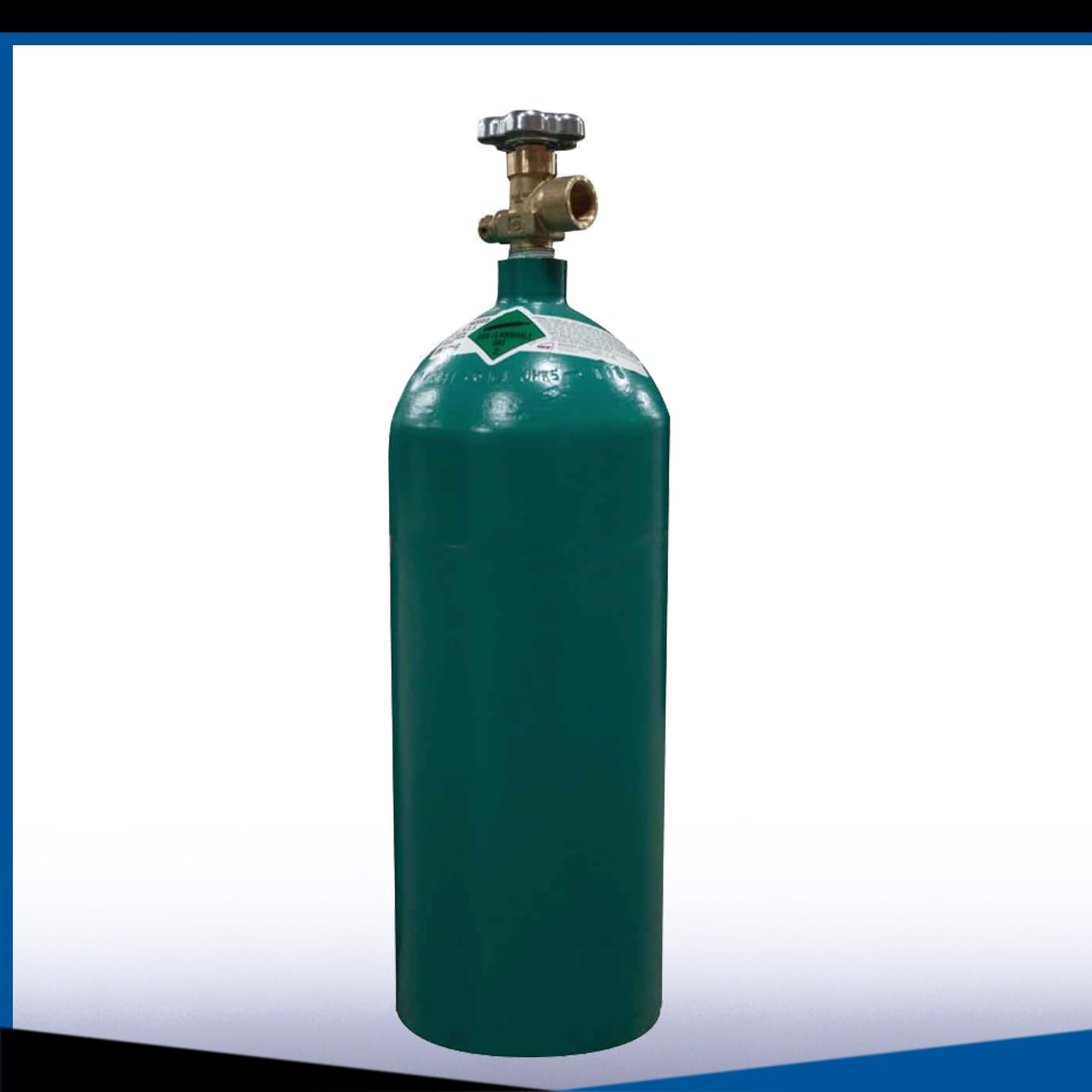
This 40 cu ft 100% argon cylinder is the most portable argon option in the group. It makes the most sense for TIG practice, occasional TIG repairs, or aluminum MIG work where the welding procedure specifies straight argon. The listing identifies a CGA-580 connection, which is commonly used for argon service.
The main compromise is runtime. A 40 cu ft bottle needs refilling or exchanging more often than an 80 or 125 cu ft cylinder, so check local supplier policies before assuming an online cylinder can be refilled in your area.
What People Say
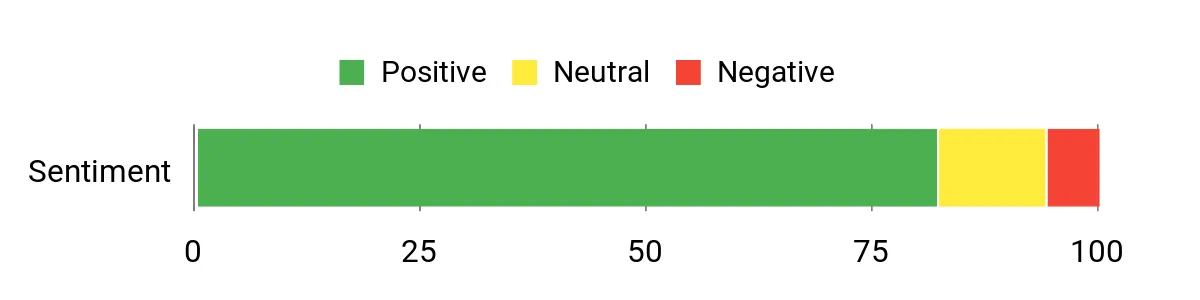
Current listing snapshots continue to show generally positive feedback, with portability, condition on arrival, and convenience appearing frequently in reviews. Because ratings and review totals change over time, treat any displayed rating as a dated shopping snapshot rather than a permanent specification.
Overall Sentiment: Positive
Situational Benefits
|
Situation |
How It Helps |
|---|---|
|
Hobby TIG Work |
The compact bottle takes less shop space and is easier to move than larger cylinders while still supplying straight argon for TIG practice. |
|
Small Shop Projects |
It gives occasional users a manageable argon supply without committing storage space to a full-size shop cylinder. |
|
On-Site or Mobile Use |
The smaller format is easier to transport when properly secured, although all compressed-gas transport rules and valve-protection requirements still apply. |
DIY Tips
Secure the cylinder upright before setup. Inspect the valve area and shoulder markings, confirm that the regulator is rated for argon/CGA-580 service, keep the valve closed while making the connection, and never force the fitting.
Open the valve slowly after the regulator is properly installed, set flow according to the welding procedure, and check the connection with an approved leak-detection solution.
Versatility
Pure argon is a standard choice for TIG welding and is commonly used for aluminum MIG. It is not the normal all-purpose shielding gas for mild-steel MIG, where C25, straight CO2, or another procedure-specific mixture is typically used.
Safety
The product listing describes a high-pressure steel cylinder with CGA-580 and DOT/ISO-related markings. Verify the markings on the actual cylinder you receive, its requalification status, physical condition, and your supplier’s acceptance policy before filling or exchanging it.
Durability
Steel high-pressure cylinders are designed for repeated service when they remain undamaged and within applicable inspection and requalification requirements. Protect the valve, avoid drops and impacts, and have questionable cylinders inspected rather than continuing to use them.
Problem Solving
This size addresses the portability side of the cylinder-size tradeoff. It gives occasional TIG or aluminum-MIG users a dedicated argon supply without the footprint and handling burden of a 125 cu ft bottle.
Key Benefits
- 100% argon for common TIG applications and aluminum MIG procedures
- Compact 40 cu ft capacity for easier handling
- CGA-580 connection listed for standard argon equipment
- Smaller storage footprint than 80 or 125 cu ft cylinders
Rating snapshot: about 4.6/5 as observed in indexed September 2026 listing data; marketplace ratings can change.
COLIBROX Argon 80

This 80 cu ft pure-argon cylinder provides a useful middle ground between the portability of a 40 cu ft bottle and the longer runtime of a 125 cu ft cylinder. It is well suited to home shops and regular TIG users who want fewer refill trips without moving to the largest size in this roundup.
Its listing identifies a CGA-580 connection. As with any online customer-owned cylinder, confirm your local supplier’s filling or exchange policy before purchase.
What People Say
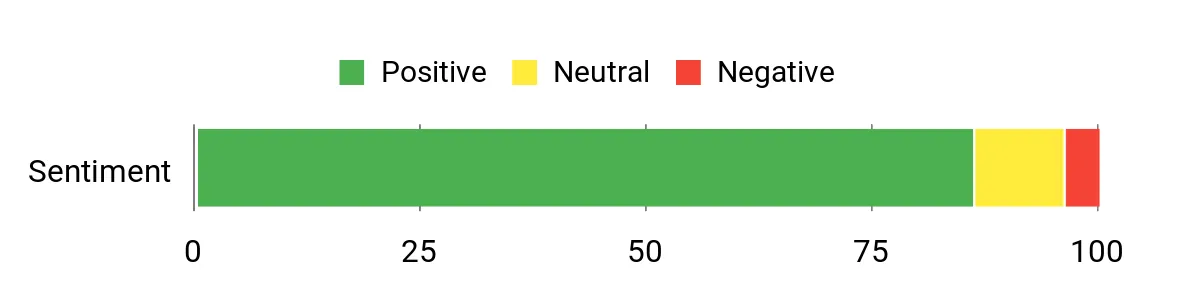
Indexed listing snapshots show generally positive buyer feedback, particularly around convenient delivery, condition on arrival, and useful capacity. Review counts vary by marketplace snapshot, so the rating should be treated as current shopping information rather than a fixed specification.
Overall Sentiment: Positive
Situational Benefits
|
Situation |
How It Helps |
|---|---|
|
Small Shop Work |
The capacity offers roughly twice the nominal gas volume of a 40 cu ft bottle while remaining easier to handle than a 125 cu ft cylinder. |
|
Rural Or Remote Users |
A larger supply can reduce how often you need to visit a gas supplier, provided that supplier accepts the cylinder. |
|
Mobile Jobs |
It offers more theoretical runtime than a 40 cu ft bottle while still being more manageable than the largest option. |
DIY Tips
Secure the cylinder before setup, inspect the shoulder markings and valve, and confirm that the regulator is designed for the gas and CGA-580 connection. Open the valve slowly after connection and use an approved leak-detection solution at fittings.
Versatility
Pure argon covers many common TIG applications and aluminum MIG procedures. For mild-steel MIG, use the shielding gas specified for the wire, transfer mode, and machine—commonly C25 or another argon/CO2 mixture rather than straight argon.
Safety
The listing describes DOT/ISO-related cylinder markings and a CGA-580 connection. Inspect the actual cylinder rather than relying only on online listing text, and keep it secured and protected from impact.
Durability
The steel cylinder construction is intended for repeated high-pressure service. Continued safe use depends on physical condition, proper storage, and remaining within the applicable requalification rules.
Problem Solving
This size reduces refill frequency compared with a 40 cu ft cylinder without taking the full step up to the heavier 125 cu ft class.
Key Benefits
- 100% argon for common TIG and aluminum MIG applications
- 80 cu ft capacity balances runtime and portability
- CGA-580 connection listed for common argon regulators
- Useful middle size for home and small-shop welding
Rating snapshot: about 4.7/5 in indexed September 2026 listing data; marketplace ratings and review totals can change.
Kaplan Argon 125

If you weld regularly, a 125 cu ft argon cylinder gives you substantially more gas between supplier visits than the 40 and 80 cu ft sizes. It is best suited to a stationary home or small shop where runtime matters more than portability.
The indexed listing identifies 100% argon, a CGA-580 connection, high-pressure steel construction, and a protective cap. For TIG and aluminum MIG users who consume shielding gas regularly, the larger capacity is the main advantage.
What People Say
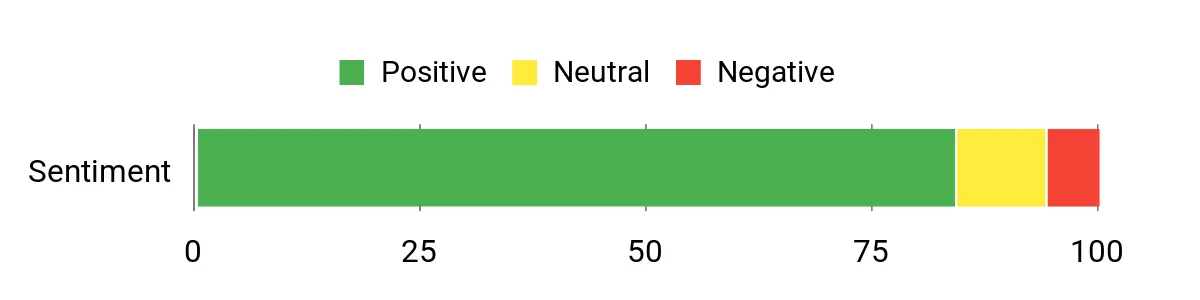
Listing snapshots show generally positive feedback, with buyers commonly mentioning capacity, delivery convenience, and condition on arrival. Because marketplace ratings and totals change, use the live listing for shopping context rather than treating an old review count as a permanent product specification.
Overall Sentiment: Positive
Situational Benefits
|
Situation |
How It Helps |
|---|---|
|
Daily Shop Use |
Its larger gas volume reduces interruptions for regular TIG or other procedures that call for straight argon. |
|
Infrequent Travel To Suppliers |
The larger capacity can lengthen the interval between fills or exchanges when your supplier accepts the cylinder. |
|
Larger Fabrication Jobs |
Longer theoretical runtime reduces the chance of changing cylinders in the middle of a long welding session. |
|
Home Shop Upgrade |
Frequent users gain capacity at the cost of added weight and storage space. |
DIY Tips
Because this cylinder is heavier than the smaller choices, plan a secure storage position before connecting it. Verify the CGA connection, actual cylinder markings, and requalification date, then install the correct regulator with the cylinder valve closed.
Versatility
Straight argon is widely useful for TIG and for aluminum MIG. Do not assume the same bottle is the right shielding gas for routine carbon-steel MIG; use the procedure-specific gas for that application.
Safety
Keep the protective cap installed when the cylinder is moved without a regulator, secure the bottle against falling, and keep the valve and regulator protected from impact. Follow applicable workplace and transportation requirements.
Durability
High-pressure steel cylinders can have a long service life when properly handled, inspected, and requalified as required. Dents, corrosion, heat damage, leaks, or questionable markings should be evaluated by a qualified cylinder facility.
Problem Solving
The 125 cu ft size mainly solves a runtime problem: frequent argon users spend less time swapping or refilling bottles than they would with a 40 cu ft cylinder.
Key Benefits
- Large 125 cu ft capacity for longer runtime
- 100% argon for common TIG and aluminum MIG work
- CGA-580 connection listed for common argon equipment
- Best suited to users who prioritize capacity over portability
Rating snapshot: about 4.6/5 in indexed 2026 listing data; marketplace ratings can change.
Weldfabulous C25 40

This 40 cu ft C25 cylinder contains the common 75% argon/25% CO2 blend used for general-purpose MIG welding on mild and carbon steel. It is the most portable C25 choice here and fits occasional repairs, practice, and weekend fabrication where a large cylinder would be inconvenient.
C25 is valued for balanced arc characteristics, bead appearance, and relatively low spatter. If maximum penetration or lowest shielding-gas cost is the priority, straight CO2 is another option for suitable mild-steel MIG applications, but it typically produces more spatter.
What People Say
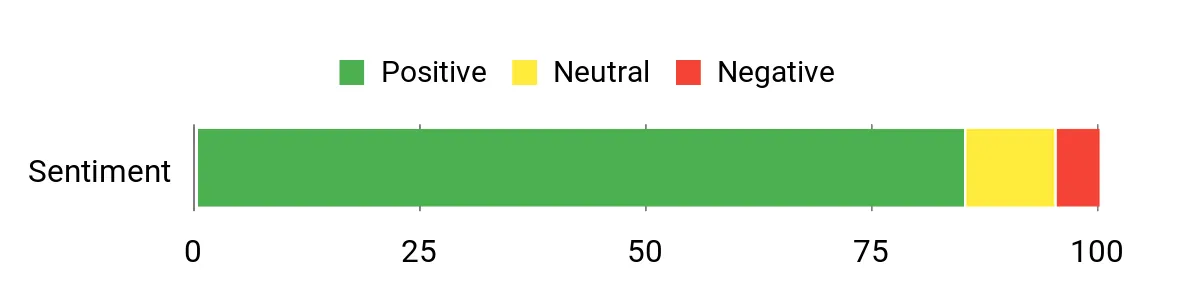
Current indexed listing data continues to show generally positive feedback. Buyers commonly mention compact size and ready-to-use convenience, while refill acceptance remains something to confirm with the local gas supplier before purchase.
Overall Sentiment: Positive
Situational Benefits
|
Situation |
How It Helps |
|---|---|
|
Weekend Projects |
You get a compact supply of C25 for occasional mild-steel MIG repairs and hobby builds. |
|
Small Fabrication Tasks |
The 75/25 blend provides the familiar arc behavior and bead characteristics many small MIG machines are designed around. |
|
Mobile Work |
The smaller bottle is easier to handle than 80 or 125 cu ft options when properly secured for movement. |
DIY Tips
Secure the cylinder upright, verify the gas label and connection, and use a regulator/flowmeter intended for the cylinder’s gas service. Make connections with the valve closed, open it slowly after setup, and check fittings with compatible leak-detection solution.
Versatility
C25 is focused on carbon- and mild-steel MIG rather than TIG or aluminum MIG. Stainless MIG often calls for other gas mixtures depending on the wire, transfer mode, and welding procedure.
Safety
Verify the actual cylinder markings and condition before use. Protect the valve during transport, secure the bottle in use, and maintain ventilation because both argon and carbon dioxide can displace breathable oxygen.
Durability
High-pressure steel construction is suitable for repeated service when the cylinder remains undamaged and within applicable inspection and requalification requirements.
Problem Solving
This tank gives occasional mild-steel MIG users the benefits of C25 without the storage footprint of a large shop cylinder. Its tradeoff is shorter runtime.
Key Benefits
- 75/25 argon/CO2 blend for general-purpose mild-steel MIG
- 40 cu ft capacity favors portability
- CGA-580 connection listed for the supplied gas service
- Useful for hobby welding, repairs, and short fabrication sessions
Rating snapshot: about 4.6/5 in indexed September 2026 listing data; marketplace ratings can change.
80 cu ft C25 Cylinder
This 80 cu ft C25 cylinder is a practical middle-size option for mild-steel MIG users who want more runtime than a 40 cu ft bottle without the handling and storage demands of a 125 cu ft cylinder.
Indexed listing information identifies a 75% argon/25% CO2 fill and CGA-580 connection. The 80 cu ft class makes sense for home shops, regular repair work, and moderate fabrication where a smaller bottle would be refilled too often.
What People Say
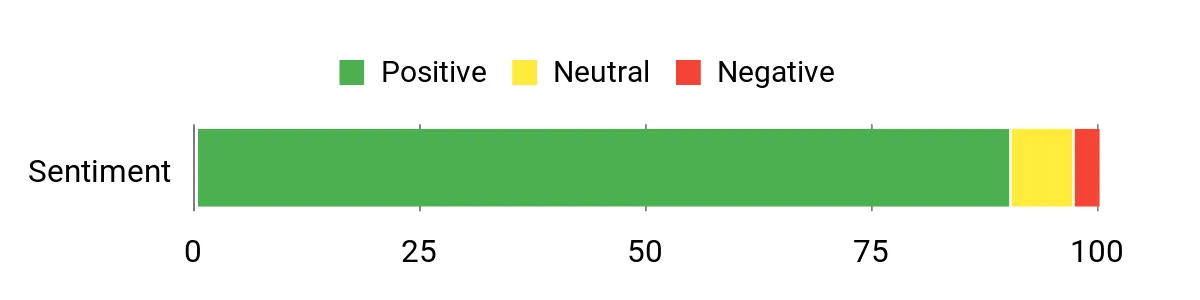
Buyer feedback in current indexed snapshots is generally positive, with convenience and useful capacity appearing often. As with the other cylinders here, verify local refill or exchange acceptance before assuming every supplier will service an independently purchased bottle.
Overall Sentiment: Positive
Situational Benefits
|
Situation |
How It Helps |
|---|---|
|
Small Production Runs |
The added capacity gives more welding time between cylinder changes than a 40 cu ft bottle. |
|
Shop Repairs |
C25 provides balanced arc behavior for common carbon- and mild-steel MIG repairs. |
|
Remote Or Mobile Work |
The 80 cu ft class carries more gas than a compact bottle while remaining easier to manage than the largest cylinder here. |
DIY Tips
Inspect the gas label, shoulder markings, valve, and cylinder condition before connection. Use the proper CGA-580-compatible regulator for the gas service, secure the cylinder, open the valve slowly, and leak-check the connection with an approved solution.
Versatility
C25 covers many routine mild- and carbon-steel MIG jobs. It is not an all-metal gas: aluminum MIG commonly uses argon, and stainless procedures often call for a different mixture.
Safety
Keep the cylinder secured and ventilated, protect it from heat and impact, and do not use it if there are signs of serious corrosion, dents, leakage, heat damage, or questionable requalification status.
Durability
A steel welding cylinder can remain serviceable for years when it is handled correctly and passes required inspections and requalification.
Problem Solving
This cylinder addresses the common compromise between portability and runtime: it doubles the nominal gas capacity of a 40 cu ft bottle without moving to the largest size.
Key Benefits
- 75/25 argon/CO2 for general-purpose mild-steel MIG
- 80 cu ft capacity reduces refill frequency
- CGA-580 connection listed for the gas service
- Balanced size for regular home-shop welding
Rating snapshot: about 4.7/5 in indexed September 2026 listing data; marketplace ratings and review totals can change.
125 cu ft C25 Cylinder

This 125 cu ft C25 cylinder targets frequent mild-steel MIG users who want longer runtime and fewer interruptions. Current indexed product data identifies the ASIN as a Weldfabulous-manufactured 75% argon/25% CO2 cylinder with a CGA-580 connection.
The larger bottle is less convenient to move than 40 or 80 cu ft options, but that tradeoff makes sense in a stationary shop where gas consumption is high enough to make frequent small-cylinder exchanges inconvenient.
What People Say
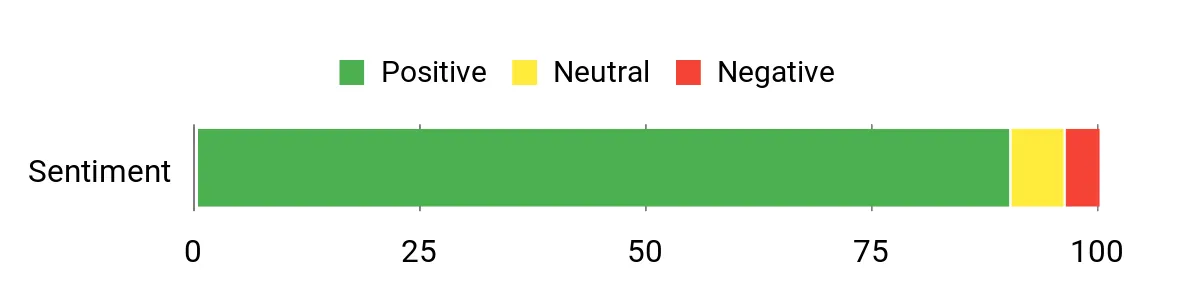
Current indexed listing snapshots remain generally positive and frequently mention capacity and delivery convenience. Some buyers also discuss local cylinder policies, reinforcing the need to confirm that your chosen supplier services customer-owned cylinders before buying.
Overall Sentiment: Positive
Situational Benefits
|
Situation |
How It Helps |
|---|---|
|
Continuous Production |
The larger capacity extends the time between cylinder changes during repeated MIG work. |
|
Remote Locations |
More stored gas can reduce supplier trips when the cylinder is accepted for refill or exchange. |
|
Home Shop Upgrade |
Frequent users gain substantially more nominal gas capacity than a 40 cu ft bottle, with added weight and storage requirements. |
DIY Tips
Choose the storage location first because a full 125 cu ft cylinder is comparatively heavy. Secure it before removing the valve cap or connecting equipment, verify the regulator/gas compatibility, and inspect the cylinder’s actual stamped information.
Versatility
The C25 blend is a strong general-purpose option for mild- and carbon-steel MIG. It should not be treated as a universal TIG, aluminum MIG, or stainless MIG gas.
Safety
Protect the cylinder from falling, impact, excessive heat, and valve damage. Keep the work area ventilated and stop using any cylinder that shows damage or has questionable requalification status.
Durability
High-pressure steel construction suits repeated shop service, but continued serviceability depends on cylinder condition and required inspection/requalification—not simply the age of the bottle.
Problem Solving
This size is aimed at reducing downtime for regular MIG users. You exchange portability for a larger gas reserve and fewer cylinder changes.
Key Benefits
- 75/25 argon/CO2 for general-purpose mild-steel MIG
- 125 cu ft capacity minimizes refill interruptions
- CGA-580 connection listed for the gas service
- Well suited to stationary shops and frequent welding
Rating snapshot: about 4.7/5 in indexed September 2026 listing data; marketplace ratings can change.
Frequently Asked Questions
Which gas should I use for MIG or TIG?
For many common TIG applications, 100% argon is the standard starting point. For general mild-steel MIG, C25—75% argon and 25% CO2—is a common all-purpose choice. Aluminum MIG commonly uses straight argon, while stainless MIG may require an argon/CO2, argon/O2, or helium-containing mixture specified for the wire and welding procedure.
Can I use 100% argon for mild-steel MIG?
Straight argon is not the normal all-purpose shielding gas for mild-steel MIG. Common carbon-steel GMAW choices include CO2 and argon/CO2 mixtures such as C25. Use the gas recommended for your wire, machine, transfer mode, and procedure.
How do I pick a welding-gas cylinder size?
Choose 40 cu ft when portability and occasional use matter most, 80 cu ft for a balance between handling and runtime, and 125 cu ft when you weld regularly and want fewer refills. At a theoretical 20 CFH flow rate, those capacities equal roughly 2, 4, and 6.25 hours of gas flow respectively, although real usable time varies.
How do I ensure the cylinder and regulator are compatible?
Verify the gas service and valve connection on the actual cylinder and match it with the correct regulator or flowmeter. Argon commonly uses CGA-580, and many C25 setups also use CGA-580. Pure CO2 commonly uses CGA-320. Never force a regulator onto a valve with mismatched threads.
Will every welding supplier refill an online cylinder?
No. Supplier policies vary. Some refill customer-owned cylinders, some exchange them, and some accept only cylinders that meet particular ownership, specification, or test-date requirements. Confirm the policy of the supplier you intend to use before purchasing a cylinder online.
What are the key safety and setup steps?
Secure the cylinder against falling, inspect its condition and markings, use the correct regulator, keep the valve closed while making the connection, open the valve slowly after setup, and check fittings with an approved leak-detection solution. Protect the valve during transport and use compressed shielding gases only with adequate ventilation.
What does the hydro or requalification date mean?
High-pressure cylinders are marked according to their specification and requalification history. The allowable interval is not identical for every cylinder. In the United States, DOT rules in 49 CFR Part 180 determine the applicable requalification requirements, so check the actual specification and markings rather than assuming every welding cylinder follows one universal interval.
Preferred Gas Choices
For TIG, straight argon is the most useful choice among the cylinders in this roundup. For general mild-steel MIG, choose one of the C25 cylinders instead. Then size the bottle around your usage: 40 cu ft favors portability, 80 cu ft is the balanced middle option, and 125 cu ft is better when reducing refill frequency matters more than weight and storage space.
Whichever size you choose, verify the gas label, CGA connection, cylinder markings, physical condition, and supplier policy. Those details can matter more in day-to-day ownership than a small difference in purchase price.
Sources
- Miller — Understanding the Basics of MIG Welding for Mild Steel — C25 and 100% CO2 guidance for mild-steel MIG.
- Miller — What Type of Gas Is Best for MIG Welding in DIY Applications? — C25, CO2, and higher-argon MIG gas tradeoffs.
- Lincoln Electric — GMAW Shielding Gas Selection Guide — shielding-gas options by base material and transfer mode.
- OSHA 1926.350 — Gas Welding and Cutting — compressed-gas cylinder handling, securing, movement, and valve protection.
- 49 CFR §180.205 — General Requirements for Requalification of Specification Cylinders — U.S. cylinder requalification and inspection requirements.
Wrapping Up
Match the shielding gas to the welding process before choosing the cylinder size. For common TIG work and aluminum MIG, straight argon is a standard choice. For general-purpose mild-steel MIG, C25 provides a well-established balance of arc stability, bead appearance, and manageable spatter, while straight CO2 can provide deeper penetration with more spatter.
Once the gas is correct, choose 40 cu ft for portability and occasional use, 80 cu ft for a balanced home-shop setup, or 125 cu ft for longer sessions and fewer supplier visits. Before buying, confirm the valve and regulator match, inspect cylinder markings and requalification status, and make sure a local supplier will refill or exchange the cylinder.
| 40 cu/ft 100% Argon Welding Gas Cylinder Tank CGA 580 – FULL | 80 cu/ft 100% Argon Cylinder Tank Welding Gas CGA 580 – FULL | 125 cu/ft Argon Tank Welding Gas Cylinder CGA 580 – FULL 100% Argon | |
|---|---|---|---|
|
|
|
|
|
| Rating Snapshot | About 4.6/5 | About 4.7/5 | About 4.6/5 |
| Gas Capacity | 40 cubic feet | 80 cubic feet | 125 cubic feet |
| Material | Steel | Steel | Steel |
| Listed Item Weight | 30 pounds | 50 pounds | 69 pounds |
| Shop Now | Shop Now | Shop Now |
This Roundup is reader-supported. When you click through links we may earn a referral commission on qualifying purchases.



[…] the process is not controlled, weld spatter rises and weld quality declines. Additionally, using a 75/25 mix of argon and CO₂ can enhance arc stability and reduce […]
[…] a technically sound, field-ready option for heavy steel fabrication and repair. Additionally, a 75/25 blend for MIG welding is often preferred for better arc stability and […]
[…] larger cylinders can reduce expense per cubic foot and support more independent work. Moreover, the 75/25 mix is ideal for MIG welding on carbon steel, enhancing efficiency and cost-effectiveness. Smaller […]
[…] and TIG welding, where shielding requirements differ by material and joint design. Additionally, a 75/25 mix ideal for MIG welding enhances penetration and arc stability, making it a popular choice among […]
[…] Note: This procedure applies to oxy-fuel welding, brazing, heating, and cutting equipment. It is not the procedure for an automotive fuel-pressure regulator, a household natural-gas/propane appliance regulator, or a MIG shielding-gas flowmeter. For example, automotive vacuum-reference lines and fuel-return lines do not belong in an oxy-fuel regulator setup. MIG shielding-gas selection and flow are covered separately in this MIG shielding-gas guide. […]
[…] MIG mixtures because they contaminate the TIG process. If you are comparing gases in a broader shielding-gas guide, do not confuse a common 75/25 argon/CO2 MIG blend with TIG shielding […]
[…] 75/25 argon-CO₂ gas mix later became a common choice for short-circuit GMAW on carbon steel because it generally offers a […]
[…] gas has a different job. A 75/25 argon-CO₂ MIG shielding-gas mix can affect arc behavior, penetration, spatter, and bead characteristics, but choosing 75/25 gas is […]
[…] formulas as starting points that should be fine-tuned using test welds. Choosing the correct MIG shielding gas is another part of proper machine […]
[…] sizing is also separate from welding-process setup. For example, choosing the correct shielding gas affects MIG weld quality, but it does not determine the required extension-cord […]
[…] value per refill. It remains portable, though less convenient in tight spaces. Additionally, the 75/25 mix is ideal for MIG welding on carbon steel, making it a preferred choice for many […]
[…] on guesswork and supports disciplined, autonomous selection. Additionally, understanding the best gas for MIG welding can enhance the overall welding experience and […]
[…] quality for steel without unnecessary resistance to sound joint formation. Additionally, using a 75/25 mix enhances penetration and arc stability, making it the preferred gas blend for MIG welding carbon […]
[…] inadequate coverage invites porosity, weak fusion, and avoidable defects. Additionally, using a 75/25 blend can enhance penetration and arc stability for MIG […]
[…] force, and its behavior exposes any procedural lapse with immediate clarity. Additionally, using a 75/25 mix of argon and CO2 can enhance penetration and stability during the welding […]
[…] control. In each case, the mix should match the joint, not the other way around. Additionally, user needs play a significant role in determining the appropriate gas mix for specific welding […]
[…] not confuse a steel MIG setup with a zinc-repair procedure. A 75/25 MIG shielding-gas mix may be useful for appropriate steel MIG applications, but it does not establish how an unidentified […]
[…] MIG welding, conventional SAW relies on flux rather than an externally supplied shielding gas. A MIG shielding gas guide therefore applies to a different type of arc-welding […]
[…] use much lower CO2 levels to limit carbon pickup and protect corrosion performance. The existing MIG shielding-gas guide can help explain how common gas families affect the […]
[…] welding also normally needs no shielding gas. Its speed, repeatability, and ability to automate closely spaced joints make it especially useful […]
[…] use carbon dioxide or argon-based mixtures depending on the desired transfer and penetration. This MIG shielding-gas guide covers those process choices in more […]