
You need a helmet that protects your eyes, reduces fatigue, and lets you see the weld clearly without blowing your budget. Choosing a helmet under $200 narrows the field to models that balance optics, comfort, and durability so you can work longer and more accurately.
This guide highlights helmets that give you professional features at consumer-friendly prices and explains what to look for so you can pick the right hood for your projects.
Top Picks
|
Category |
Product |
Score |
|---|---|---|
|
🏆 Best Optics |
94/100 |
|
|
🎯 Best Wide View |
90/100 |
|
|
💰 Best Budget Pro |
89/100 |
|
|
🔰 Best Lightweight |
86/100 |
How We Picked
You want a helmet that keeps you safe and helps you weld accurately, so we prioritized optical clarity, switching speed, and viewing area first. Comfort and headgear fit matter when you spend hours under the hood, so weight, balance, and ratcheting systems were part of the evaluation.
We checked sensor count, grind mode, low‑amp TIG performance and industry certifications to ensure reliable protection. Finally, since your budget is central, we favored helmets that deliver durable components and useful features while staying at or near the $200 threshold so you get the best value for your money.
Miller Performance

You get a helmet built around optics that actually make a difference. The ClearLight 2.0 lens delivers a vivid, color-enhanced view so you can place beads with more confidence, and the wide 7.22 square-inch window keeps your work visible without contorting your head.
Digital controls let you tweak shade, delay, and sensitivity quickly, while AutoSense helps the hood adapt to changing conditions so you waste less time fiddling. It handles TIG, MIG, and cutting work and switches into grind mode when you need it.
If you do a mix of shop work and weekend projects, this helmet balances visibility, comfort, and practical controls that make routine welding less fatiguing and more accurate.
What People Say
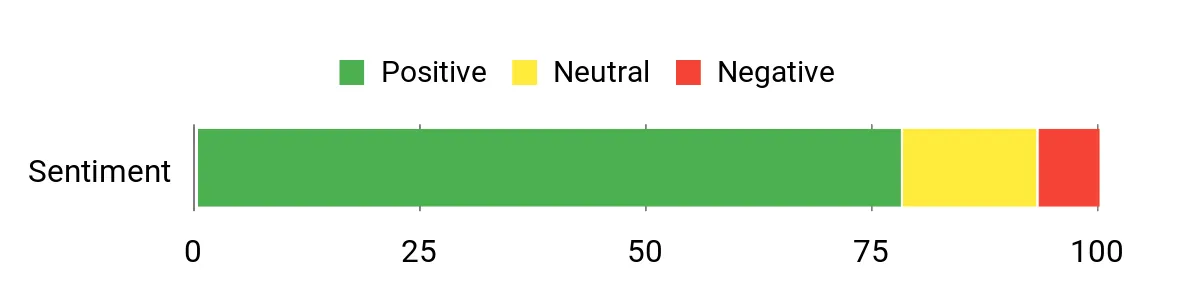
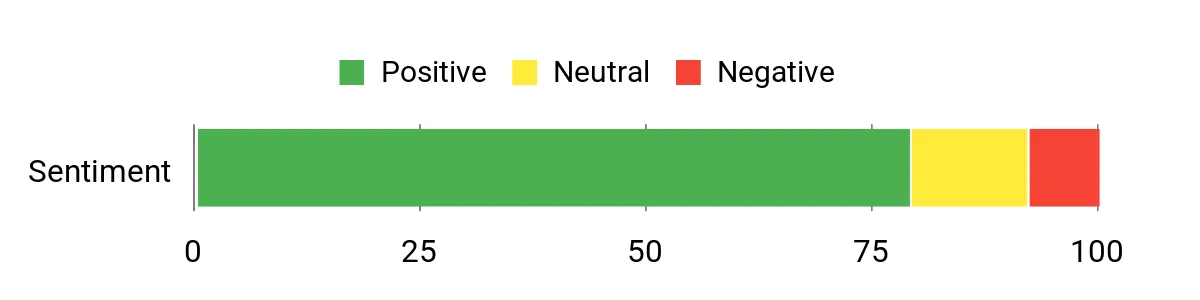
Buyers consistently praise the helmet’s clarity and how much easier it makes seeing the weld puddle. Many mention straightforward setup and intuitive digital controls, plus comfortable headgear for longer sessions.
A few users note excellent overall build quality, while isolated reports mention headband wear after extended use.
Overall Sentiment: Positive
Long-Term Cost Benefits
The clear optics and precise shade control reduce the chance of rework, so your projects finish faster and with fewer corrections. Included accessories like spare lenses and a bag cut down on immediate extra purchases and can extend the useful life of the hood by protecting it in transit.
Return On Investment
You recover value through reduced eye strain, fewer welding mistakes, and smoother workflow thanks to features like the 3.0 Light State and AutoSense. For someone who welds regularly, those time savings add up and make the helmet a worthwhile shop investment.
Situational Benefits
|
Situation |
How It Helps |
|---|---|
|
Low-Amp TIG Work |
AutoSense and sensitive arc detection let you work down to low amps without false triggers, so you keep visibility even on thin materials. |
|
All-Day Fabrication |
At 17 ounces with plush Gen 3.5 headgear, it reduces neck strain and stays balanced during long sessions, helping you keep steady beads. |
|
Switching Between Weld and Grind |
Three operating modes and a grind option let you flip tasks without changing equipment, keeping your workflow fluid. |
Versatility
The helmet supports TIG, MIG, stick, cutting and grinding with three modes and three arc sensors, and adjustable shade/sensitivity options that let you tailor performance to different processes and materials.
Safety Features
Meets ANSI Z87.1 and CSA standards, offers fast 1/25,000th-second switching, AutoSense for reliable sensor tuning, and consistent lens response for UV/IR protection across modes.
Durability
Build quality is solid and the lens system holds up well, though a minority of users report headband ratchet wear after heavy long-term use. Proper care and storage included with the bag help protect the helmet.
Comfort
Plush Gen 3.5 headgear and a lightweight shell make it comfortable for extended use, and the wide viewing area reduces awkward head positions that cause fatigue.
Problem Solving Ability
The ClearLight optics and adjustable controls address visibility and accuracy problems, while AutoSense and multiple sensors reduce false triggers and let you keep the hood down between welds to maintain focus.
Key Benefits
- Exceptional clarity with ClearLight 2.0 optics
- Wide viewing field for better situational awareness
- AutoSense and digital controls for quick tuning
- Lightweight design that reduces neck fatigue
Rating: 4.7 (total: 169+)
Hobart Inventor

You get one of the clearest wide-view helmets in this class, built for everyday shop use and tighter tasks under vehicles. The 9.3″ viewing area and PureColor optics make it easier to see puddles and joint fit-up, while analog controls let you dial shade and sensitivity without fuss.
The helmet accepts cheater lenses if you need magnification and the grind mode removes the hassle of swapping gear mid-job. Whether you’re doing weekend repairs, routine fabrication, or teaching a class, this hood blends visibility, durability and straightforward controls so you can stay focused on the weld.
What People Say
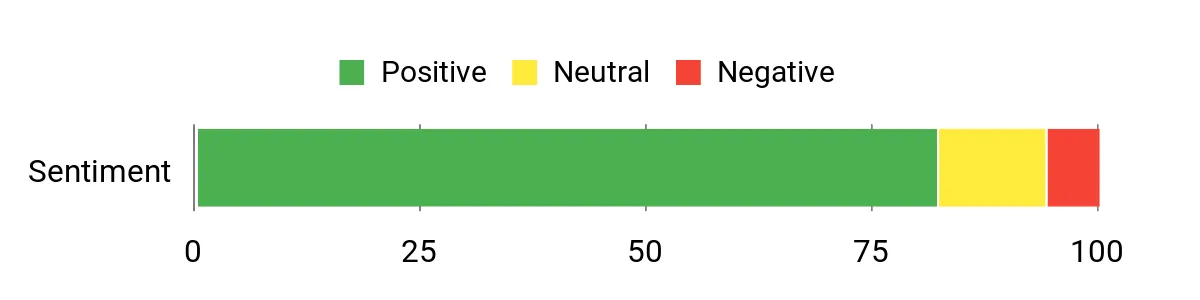
Customers frequently highlight the clear, wide view and dependable lens response that make welding in tight spots and under chassis easier. Many call out the solid build and simple controls as practical advantages, and several users appreciate the grind mode and compatibility with cheater lenses. Headgear comfort gets mixed notes but most find it adequate for regular shop use.
Overall Sentiment: Positive
Long-Term Cost Benefits
Reduced rework thanks to improved visibility and durable components that hold up in a busy shop lower ongoing expenses. Fewer lens replacements and the ability to use cheater lenses you already own can save you small costs over time.
Return On Investment
You recoup value through smoother workflow and fewer interruptions. The large viewing area and reliable auto-darkening behavior help you work faster and more accurately, which adds up across many jobs.
Situational Benefits
|
Situation |
How It Helps |
|---|---|
|
Tight Spaces |
The wide widescreen lens keeps more of the work in view without awkward head turns, making undercar and cramped work less fiddly. |
|
Weld-to-Grind Workflow |
Grind mode prevents unnecessary darkening so you can switch tasks quickly without changing helmets, keeping momentum on multi-step jobs. |
|
Teaching or Group Use |
Simple analog controls and robust build make it easy to hand to students or shop helpers, limiting setup time and maintenance headaches. |
Versatility
This helmet handles MIG, TIG, and stick plus cutting and grinding, and its cheater-lens compatibility and adjustable sensitivity let you adapt to different machines and materials.
Safety Features
Continuous UV/IR protection, four arc sensors for reliable switching, and compliance with industry standards deliver consistent protection across welding modes.
Durability
Users report a durable shell and dependable lens electronics that survive daily shop conditions; the helmet stands up to drops and wet weather with routine care.
Comfort
Moderate headgear comfort with adjustable fit; not the plushest mount but balanced and stable for extended sessions once dialed in.
Problem Solving Ability
The large viewing area and PureColor optics solve visibility and alignment issues, while the four sensors and analog controls reduce false triggers and let you fine-tune performance for tricky welds.
Key Benefits
- Very large viewing area for better visibility
- PureColor optics enhance weld detail
- Four sensors for dependable switching
- Simple analog controls for quick adjustments
Rating: 4.7 (total: 880+)
ESAB Savage
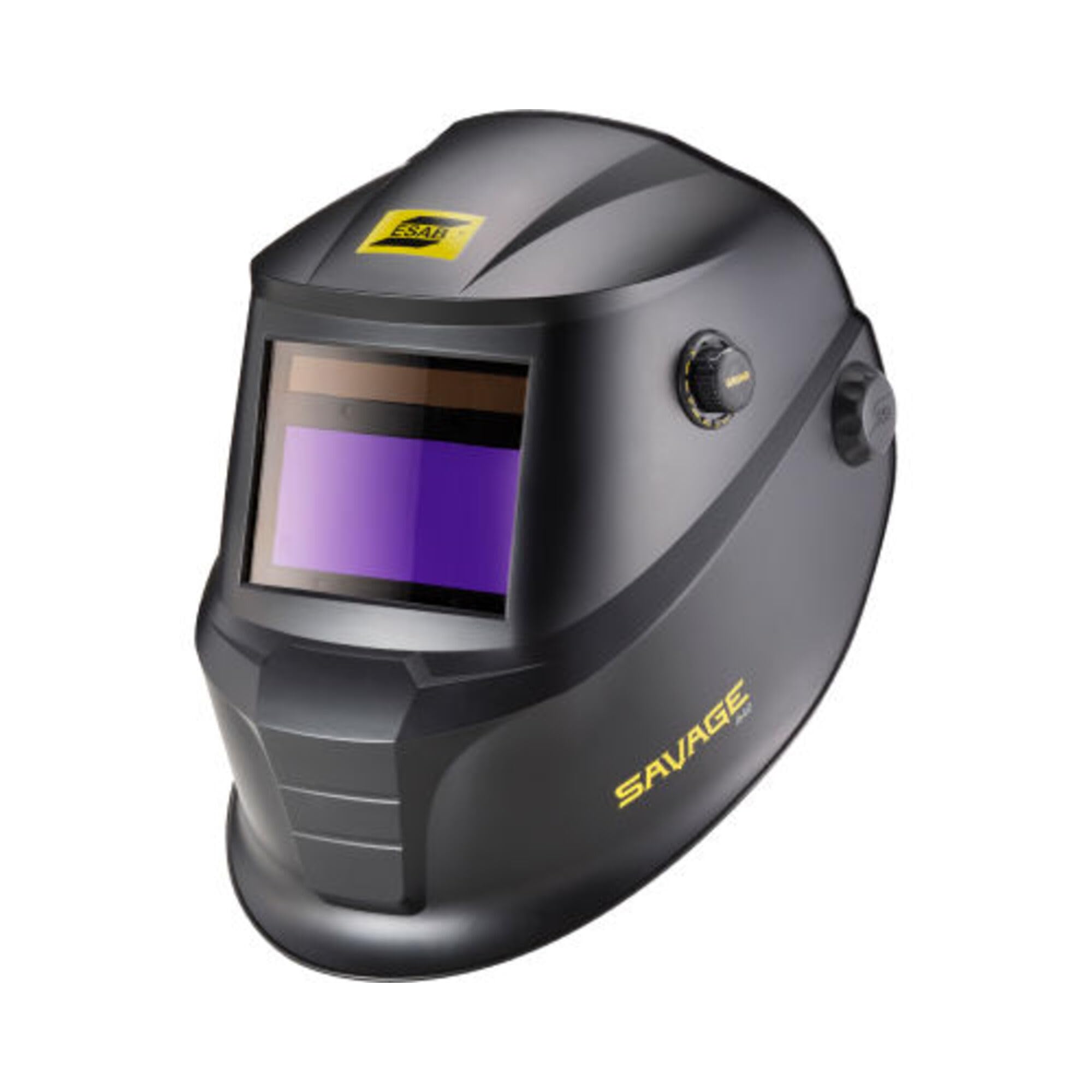
You get a helmet that prioritizes clear sight so you can place welds with confidence. The True Color optics and generous viewing window make puddle tracking and fit‑up easier whether you’re knocking out daily shop work or handling a weekend project. The Savage includes grind mode, solid sensor coverage and simple adjustments so you can switch tasks without fuss.
If you value clarity and a dependable hood that handles both occasional and pro use, this one is a practical pick.
What People Say
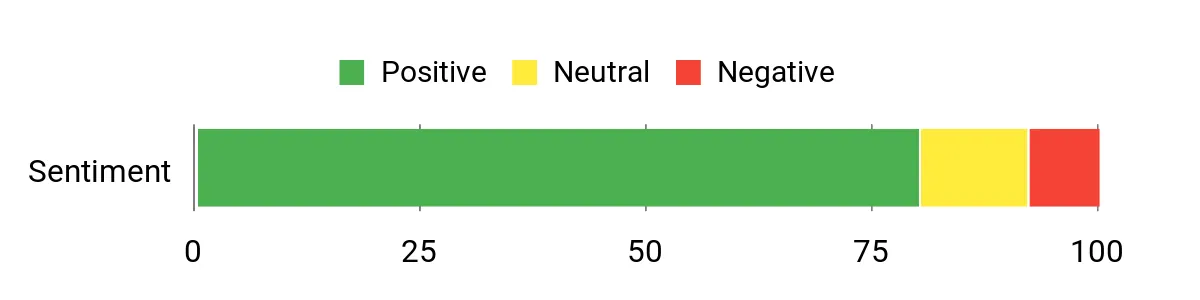
Customers most often praise the clarity and viewing comfort, saying the lens makes weld detail easier to see. Reviews also note dependable switching and a useful grind mode, with many users reporting long battery life and durable performance. A small number of buyers mention visual quirks when adding cheater lenses.
Overall Sentiment: Positive
Long-Term Cost Benefits
Better visibility reduces rework and wasted materials, and the durable electronics and infrequent battery changes mean fewer replacements over time. That combination lowers ongoing shop costs and downtime.
Return On Investment
You get value through fewer mistakes and faster setup between tasks. For someone who welds regularly, improved accuracy and a reliable ADF translate into time saved and steadier results.
Situational Benefits
|
Situation |
How It Helps |
|---|---|
|
Occasional Professional Use |
The Savage delivers pro-level clarity and sensor reliability that stand up to periodic heavy use, making it a solid backup or primary hood for mixed workloads. |
|
Low-Amplitude TIG |
Sensitive ADF performance down to 5 amps keeps the lens responsive on light TIG work, so you maintain visibility on thin materials. |
|
Grinding Between Steps |
External grind control prevents unnecessary darkening, letting you move between welding and grinding without swapping helmets. |
Versatility
The Savage handles MIG, TIG, stick, cutting and grinding, and its steady lens response and sensor array make it adaptable to different machines and job types.
Safety Features
Optical class 1/1/1/2 clarity, four arc sensors for prompt switching and consistent UV/IR protection across shade ranges support reliable eye safety.
Durability
Build and electronics are reported as robust by many users, with long battery life and resilient housings that tolerate daily shop conditions when cared for properly.
Comfort
Heavier than some ultralight shells but balanced; users generally find it comfortable for typical shop sessions though headgear comfort varies by preference.
Problem Solving Ability
True Color optics and a large viewing area address visibility and alignment issues, while grind mode and reliable sensors reduce workflow interruptions.
Key Benefits
- True Color optics for improved weld visibility
- Large 7.70 sq in viewing area
- Four arc sensors for reliable switching
- Low‑amp TIG sensitivity down to 5 amps
Rating: 4.6 (total: 438+)
Jackson Insight
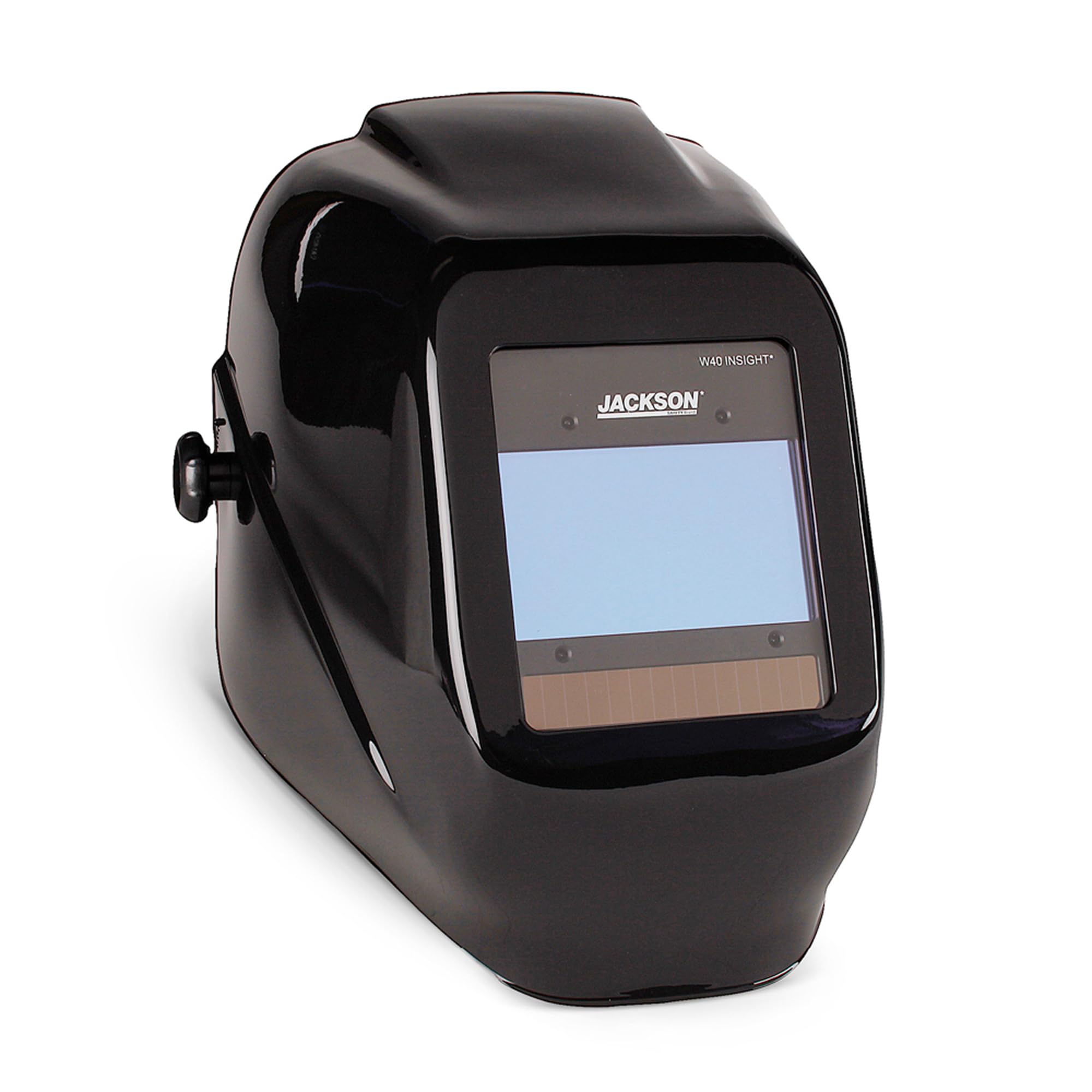
You get a lightweight, well-balanced helmet that focuses on clear sight and easy adjustments. The True Color optics and large viewing area make it simpler to track the puddle and joint fit-up, while digital controls let you fine-tune shade, sensitivity, and delay without fuss. The HLX shell keeps weight down and the 370 Speed Dial headgear helps you find a stable fit for long sessions.
If you split time between shop work and teaching or hobby projects, this hood is a practical pick that keeps you comfortable and focused.
What People Say
Users commonly praise the clarity and dependable auto‑darkening response, noting the large viewing area as a real help for visibility. Many appreciate the straightforward digital controls and the light, balanced shell for everyday use.
A few users mention that headgear preference varies, but most find the fit stable once adjusted.
Overall Sentiment: Positive
Long-Term Cost Benefits
Good optics and reliable switching reduce rework and eye fatigue, which saves time and material over repeated jobs. Durable shell materials and included batteries lower the need for immediate replacements or extras.
Return On Investment
You gain value through faster setup and fewer interruptions thanks to consistent lens performance and simple controls. For regular users, that smoother workflow translates into time saved and steadier results.
Situational Benefits
|
Situation |
How It Helps |
|---|---|
|
Tight or Confined Work |
The large viewing area and clear optics let you keep more of the work in sight without awkward head movement, which is handy under vehicles or in cramped spots. |
|
Teaching or Shared Use |
Simple digital controls and a lightweight shell make it easy to hand off and get beginners set up quickly while maintaining consistent protection. |
|
Mixed Task Workflow |
Weld, Torch and Grind modes let you move between cutting, welding and grinding without swapping helmets, streamlining multi‑step jobs. |
Versatility
Handles MIG, TIG, stick, cutting and grinding with adjustable controls and multiple modes, adapting well to different machines and job types.
Safety Features
1/1/1/1 optical clarity, four arc sensors for prompt switching, ANSI/CSA/EN compliance and consistent UV/IR protection across modes.
Durability
HLX shell offers a lightweight yet resilient housing and users report reliable lens electronics; normal care and correct storage extend service life.
Comfort
Ultra-light shell and 370 Speed Dial ratchet headgear provide a balanced, adjustable fit that reduces neck strain during extended use.
Problem Solving Ability
Large viewing area and True Color optics solve visibility and alignment issues, while multiple sensors and adjustable settings reduce false triggers and downtime.
Key Benefits
- True Color optics for reduced eye strain
- Large 9.3 sq in viewing area
- Four sensors for reliable switching
- Lightweight HLX shell and 370 Speed Dial comfort
Rating: 4.6 (total: 682+)
FAQ
How Do I Choose The Right Welding Helmet
Start with the things that affect your day‑to‑day work: optical clarity, viewing area, switching speed and headgear fit. If you need to see fine puddles choose a helmet with true‑color or ClearLight optics and a larger viewing window.
Look for adjustable shade, sensitivity and delay so you can tune the ADF to MIG, TIG or stick. Check sensor count and certifications like ANSI Z87.1 to confirm basic protection.
Prioritize comfort too — a balanced, well‑padded headgear reduces neck strain during long sessions. Finally, consider features that match your workflow such as grind mode or cheater lens compatibility so you don’t end up swapping helmets between tasks.
Are Auto‑Darkening Sensors Reliable For Low‑Amp TIG Work
They can be, but it depends on sensitivity, sensor placement and ADF quality. Helmets designed for low‑amp TIG list a sensitivity range down to single‑digit amps and use multiple sensors to catch weak arcs. You should be able to fine‑tune sensitivity and delay to avoid false triggers while maintaining visibility.
If you plan a lot of thin‑material TIG, test the hood with your machine and adjust settings until the lens stays responsive without flicker. Positioning and consistent arc technique also help; an otherwise capable ADF can miss an arc if sensors are blocked or the head is angled awkwardly.
How Should I Care For My Helmet To Make It Last
Treat the lens and headgear as the parts that need regular attention: clean the lens with a soft cloth and mild cleaner, replace protective covers when scratched, and store the helmet in its bag to avoid dings and contamination. Check batteries or solar cells and keep spare inside the shop, inspect the ratchet and straps for wear, and tighten mounting hardware periodically.
Avoid dropping the helmet or exposing it to harsh solvents and direct sunlight for long periods, and replace any cracked lenses or damaged sensors promptly to maintain protection and optical performance.
Customer Preferences
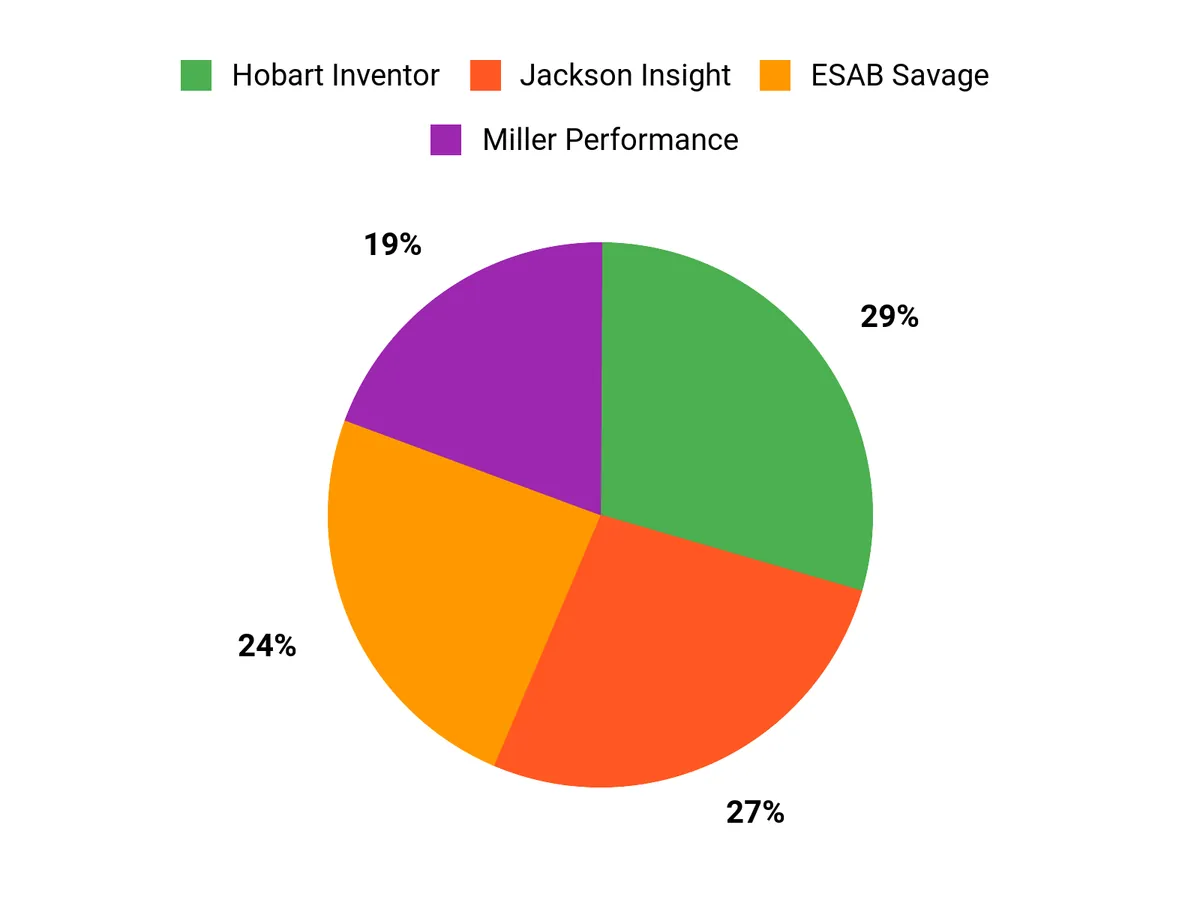
When choosing between the Miller Performance, Hobart Inventor and ESAB Savage you typically prioritize optical clarity, viewing area and sensor reliability because those factors most directly affect weld accuracy and eye comfort. You also weigh comfort and headgear fit, low-amp TIG sensitivity and practical features like grind mode or cheater‑lens compatibility to match the helmet to your workflow and skill level.
Wrapping Up
You can get near‑professional performance without spending top dollar by focusing on clarity, comfort, and reliable switching. If seeing every detail of the weld is your priority, the Miller Digital Performance stands out for its ClearLight optics and user controls.
If you want the largest uninterrupted view for under $200, the Hobart Inventor balances visibility and price. The ESAB Savage gives you exceptional true‑color clarity at a lower price point, and the Jackson Insight is worth considering when lightweight comfort and adjustable headgear matter most.
Decide which feature matters most to you and choose the helmet that aligns with your workflow and budget.
| Product Name | Image | Rating | Viewing Area (sq. in.) | Weight | Key Highlights |
|---|---|---|---|---|---|
| Miller Digital Performance™ Welding Helmet |
|
4.7/5 (169 reviews) | 7.22 | 1.1 pounds |
|
| Hobart 770890 Auto-Darkening Welding Helmet |
|
4.7/5 (880 reviews) | 9.3 | 1.25 pounds |
|
| ESAB 0700000480 Black Savage A40 Welding Helmet |
|
4.6/5 (438 reviews) | 7.70 | 2.2 pounds |
|
| Jackson Safety Insight Auto Darkening Welding Helmet |
|
4.6/5 (682 reviews) | 9.3 | 0.375 pounds (6 ounces) |
|
This Roundup is reader-supported. When you click through links we may earn a referral commission on qualifying purchases.