

Choosing among 3M Speedglas welding helmets is harder when older 9100-series products still appear beside current models. Lens clarity, shade range, shell size, headgear and system compatibility can change which helmet fits your work.
After checking the linked products and current 3M documentation, 3M Speedglas 9002NC is the strongest verified pick here because it remains supported and combines Natural Color optics with a slim profile. The original budget and 9100-series recommendations did not pass the current verification rules.
These picks were checked against 3M product documentation, linked listing status, safety records and recurring owner feedback from welding communities.
3M Speedglas Welding Helmets: Our Top Picks
3M Speedglas Welding Helmets Compared
Only products that passed the live verification rules appear in this comparison. Legacy and unavailable linked products remain in their original sections below for reference.
| Product | Best for | Viewing area | ADF shades | Price |
|---|---|---|---|---|
| 3M Speedglas 9002NC | Best overall | 2.13 × 4.09 in | Light 3; dark 8–12 |
Mid-range
|
1. 3M Speedglas 9100XXi

Lifecycle note: 3M phased out this 9100 complete helmet assembly in March 2025 and points buyers toward newer G5-03 systems. This section is kept for owners comparing parts, features or an existing helmet.
The 9100XXi pairs a 73 × 107 mm viewing area with Natural Color Technology, three arc sensors and selectable dark shades 5, 8 and 9–13. External controls support quick changes, while side windows expand peripheral awareness around the work area.
Those features still explain why the 9100XXi became popular for precision fabrication and mixed-process shop work. Its wide ADF and side visibility reduce the need to reposition your head just to see the joint or nearby equipment.
Situational Benefits
|
Situation |
How It Helps |
|---|---|
|
Precision TIG and Fabrication |
Natural Color optics and the large ADF make joint edges and puddle detail easier to follow. |
|
Busy Shop Work |
External controls and side windows reduce interruptions when you change tasks or watch the area around you. |
|
Mixed Processes |
The 9100XXi shade range covers common stick, MIG, TIG, cutting and grinding workflows when used as instructed. |
Safety and Comfort
The ADF provides permanent UV/IR protection and uses three arc sensors for detection. Replace damaged cover plates and inspect the sensor area before use. The head suspension spreads pressure across the head, while the lens sits close enough to keep the field of view broad without an oversized shell.
Key Benefits
- 73 × 107 mm Natural Color viewing area
- Three arc sensors and dark shades 5, 8 and 9–13
- External controls for common mode changes
- Side windows for added peripheral awareness
Sentiment Snapshot
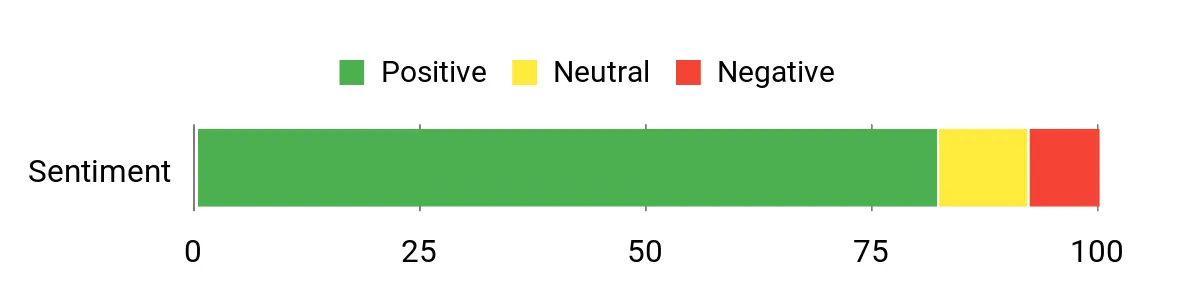
2. 3M Speedglas 9100 QR (06-0300-54QR)
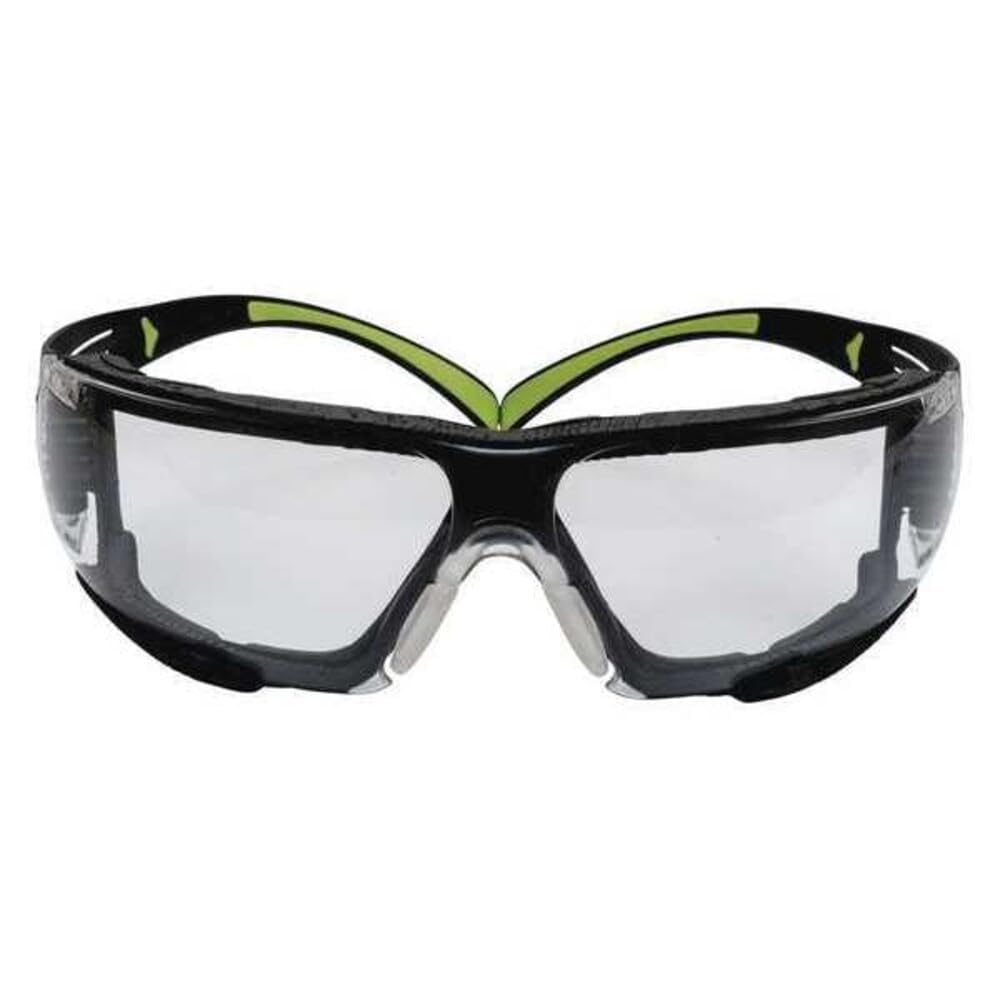
Lifecycle note: The linked 06-0300-54QR is a 9100 QR welding helmet assembly, not simply a loose mounting rail. 3M listed this part for discontinuation in June 2024 and suggested moving to a G5-03 hard-hat configuration.
The QR concept combines a Speedglas welding helmet with a quick-release hard-hat mounting system. It was designed for jobs where head protection and welding protection must work together without swapping between separate head systems.
Compatibility matters more than convenience here. A hard hat, mount, helmet shell and ADF must be approved to work together. Do not assume a similar-looking rail or helmet shell is interchangeable.
Situational Benefits
|
Situation |
How It Helps |
|---|---|
|
Construction Sites |
A compatible quick-release setup can keep the welding helmet attached to required head protection. |
|
Field Repairs |
The integrated mounting approach reduces gear changes when work alternates between welding and general site tasks. |
|
Compatibility Checks |
The exact part number helps you verify older components before ordering replacement pieces. |
Safety and Fit
The mount must hold the helmet securely without defeating the hard hat’s protective function. Inspect the rail, pivots and retaining parts for damage before use. If you are replacing a legacy QR system, verify the complete current configuration instead of mixing old and new parts by appearance.
Key Benefits
- Quick-release concept for compatible hard-hat welding setups
- Maintains one integrated head system for site work
- Part-numbered components make compatibility checks easier
- Useful reference for owners maintaining legacy 9100 QR equipment
Sentiment Snapshot
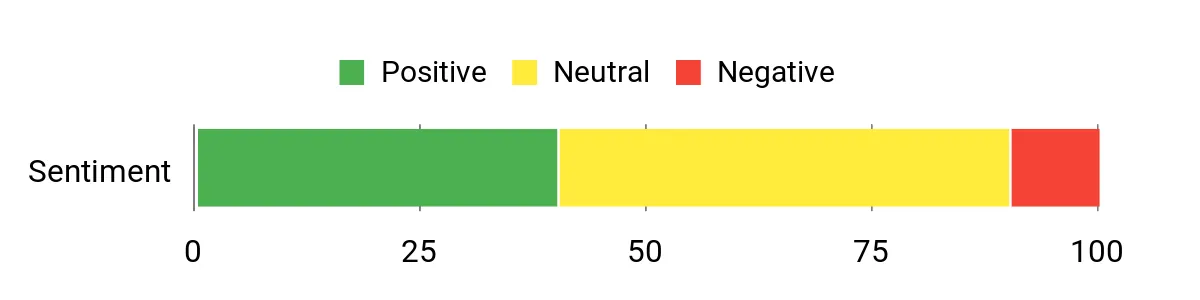
3. 3M Speedglas 9002NC
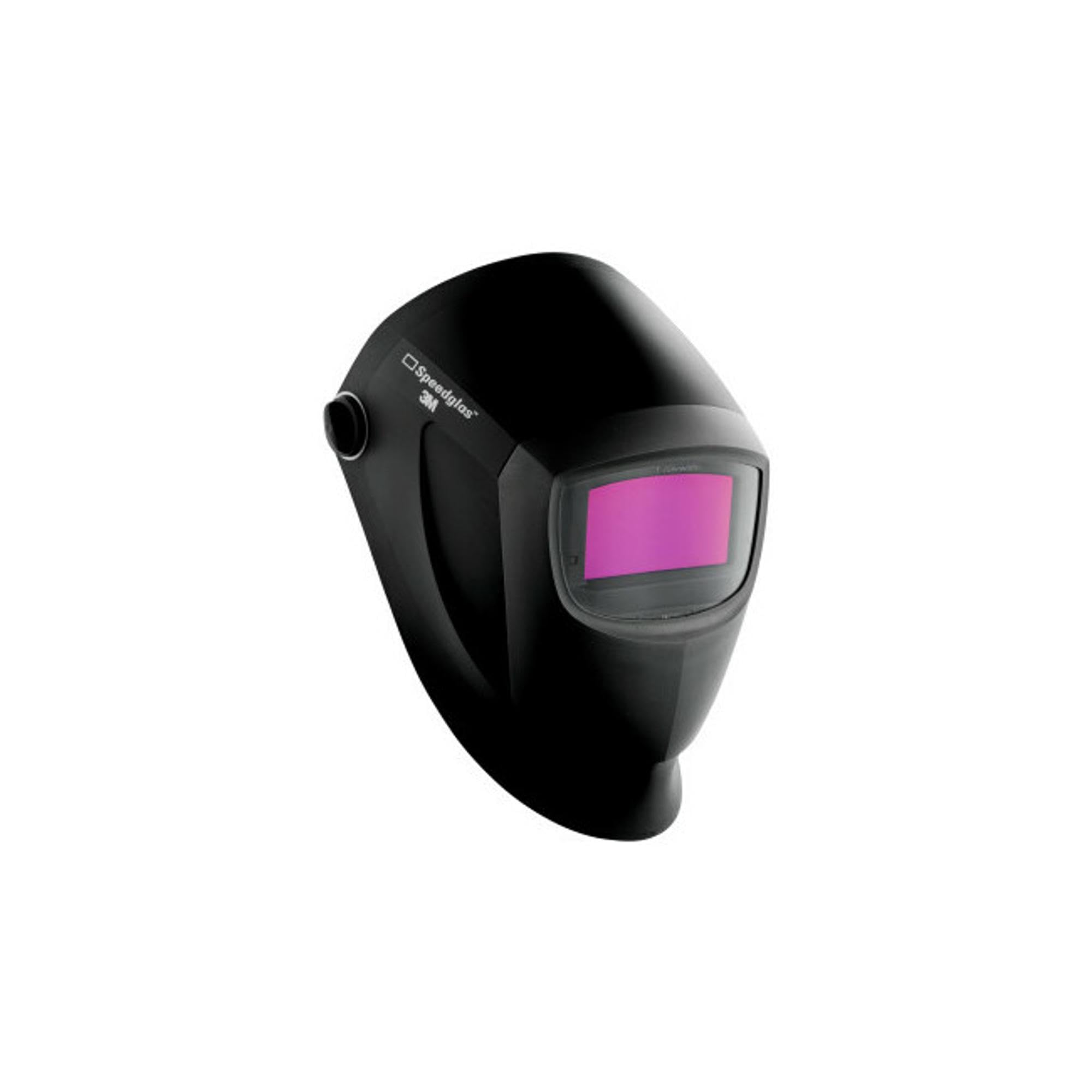
Bottom line: The 3M Speedglas 9002NC is the best current pick in this list for welders who want clear Natural Color optics in a slim, straightforward helmet.
- Viewing area: 2.13 × 4.09 in, a compact view for close fabrication
- Shade range: light 3, dark 8–12, suited to common arc welding
- Arc sensors: 2, adequate when both sensors can see the arc
- Battery: CR2032, rated around 2,000 hours by 3M
The 9002NC uses Natural Color Technology to make the light state and weld view look less green than older filters. That added contrast can make it easier to follow joint edges and puddle shape without moving your head as much.
The shell is narrower than the older 9100 design, which helps in tight spaces. The trade-off is a smaller field of view and fewer premium features. It also lacks side windows and uses two arc sensors, so positioning matters when the arc can be blocked.
The controls are simple, and 3M still lists the 9002NC filter and service support. That current support is a major reason it remains the only verified recommendation from the original group.
Sentiment Snapshot
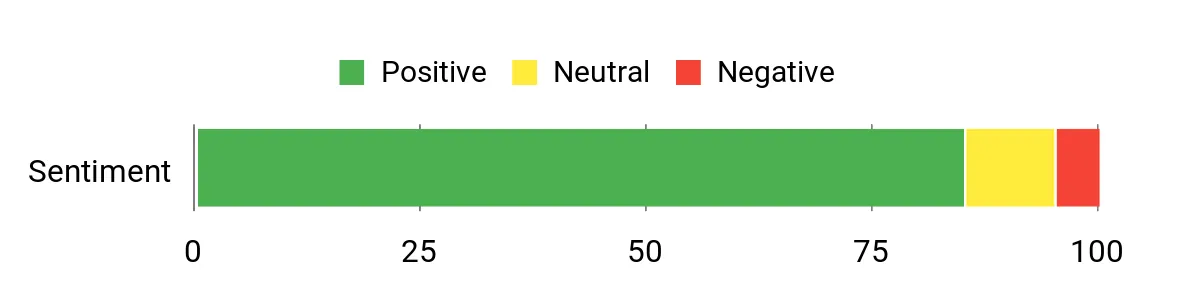
- Natural Color optics make joint edges and puddle detail easier to distinguish.
- Slim shell works well where a bulky helmet gets in the way.
- Light state 3 and dark shades 8–12 cover common arc-welding work.
- Current 3M support includes the 9002NC filter and service information.
- Two arc sensors offer less coverage than newer four-sensor premium designs.
- No side windows, so peripheral visibility is more limited than wider Speedglas models.
- Dark shades start at 8, so some cutting tasks need different protection.
Key Benefits
- Natural Color optics for more realistic contrast
- Slim profile for confined fabrication work
- Simple shade 8–12 controls without unnecessary complexity
- Current 3M filter and service support
4. 3M Speedglas 100 with ADF 100V

The Speedglas 100 uses the 100V auto-darkening filter with adjustable dark shades 8–12 and three sensitivity settings. Its viewing area is about 1.73 × 3.66 inches, so it is more compact than the 9002NC and much smaller than wide-view premium helmets.
The design covers common MIG, stick and TIG work and is intentionally simple. It remains useful background for owners who already have the helmet, but it is not included in the current recommendations on this page.
Situational Benefits
|
Situation |
How It Helps |
|---|---|
|
Training and General Shop Work |
Simple shade and sensitivity controls reduce setup steps for routine welding practice. |
|
MIG and Stick Welding |
Dark shades 8–12 cover many common arc-welding settings when matched to the job. |
|
Compact Work Areas |
The smaller ADF keeps the helmet simple, though the field of view is narrower. |
Safety and Maintenance
The 100V ADF provides permanent UV/IR protection. Inspect the outer protection plate, sensors, headgear and battery before welding. Replace damaged cover plates with compatible parts instead of continuing to use a scratched or cracked lens stack.
Key Benefits
- Adjustable dark shades 8–12
- Three sensitivity settings
- Compact 1.73 × 3.66-inch viewing area
- Straightforward controls for general welding work
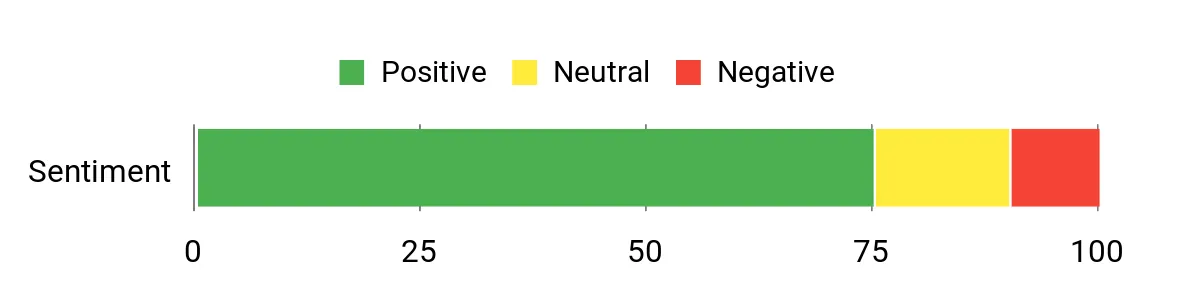
Sentiment Snapshot
5. 3M Adflo PAPR with Speedglas 9100 FX-Air

Lifecycle note: This linked system pairs an Adflo powered air-purifying respirator with a legacy 9100 FX-Air helmet. 3M phased out 9100 FX complete assemblies and now directs buyers toward newer G5 respiratory welding systems.
The original system combines filtered powered airflow with a Speedglas welding helmet, letting respiratory and eye-face protection work as one assembly. That can reduce breathing resistance compared with a non-powered respirator and can make long, fume-heavy shifts easier to tolerate.
A PAPR is not a substitute for a workplace hazard assessment. The respirator, filters, airflow, face seal and program requirements must match the contaminants and exposure conditions. Follow the complete 3M instructions and applicable respiratory-protection rules.
Situational Benefits
|
Situation |
How It Helps |
|---|---|
|
High-Fume Welding |
A powered respirator can be part of an approved control plan where respiratory protection is required. |
|
Long Production Runs |
Powered airflow reduces breathing resistance and circulates air inside the helmet system. |
|
Integrated PPE Workflows |
The helmet and PAPR are designed as a coordinated system rather than unrelated pieces. |
Maintenance
Powered systems need more upkeep than a standalone helmet. Inspect the battery, blower, filters, breathing tube and helmet connection before use. Replace filters and consumables on the schedule required by the instructions and your workplace program.
Key Benefits
- Integrated powered air and welding protection
- Portable belt-mounted blower system
- Designed for industrial respiratory-protection workflows
- Useful reference for shops maintaining legacy 9100 FX-Air equipment
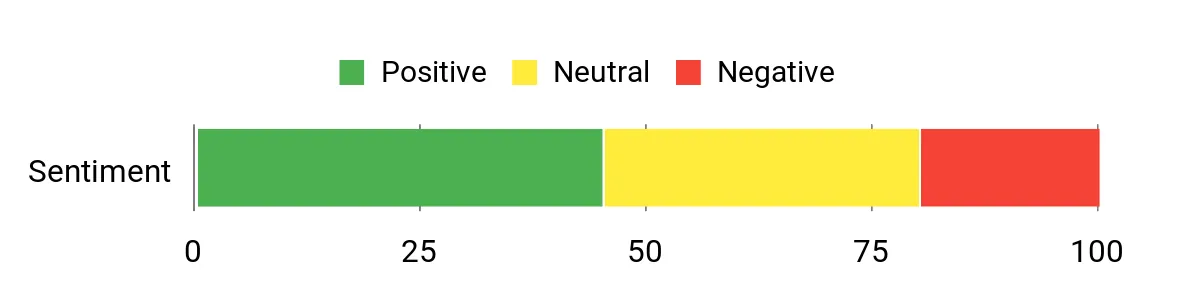
Sentiment Snapshot
What Buyers Prefer
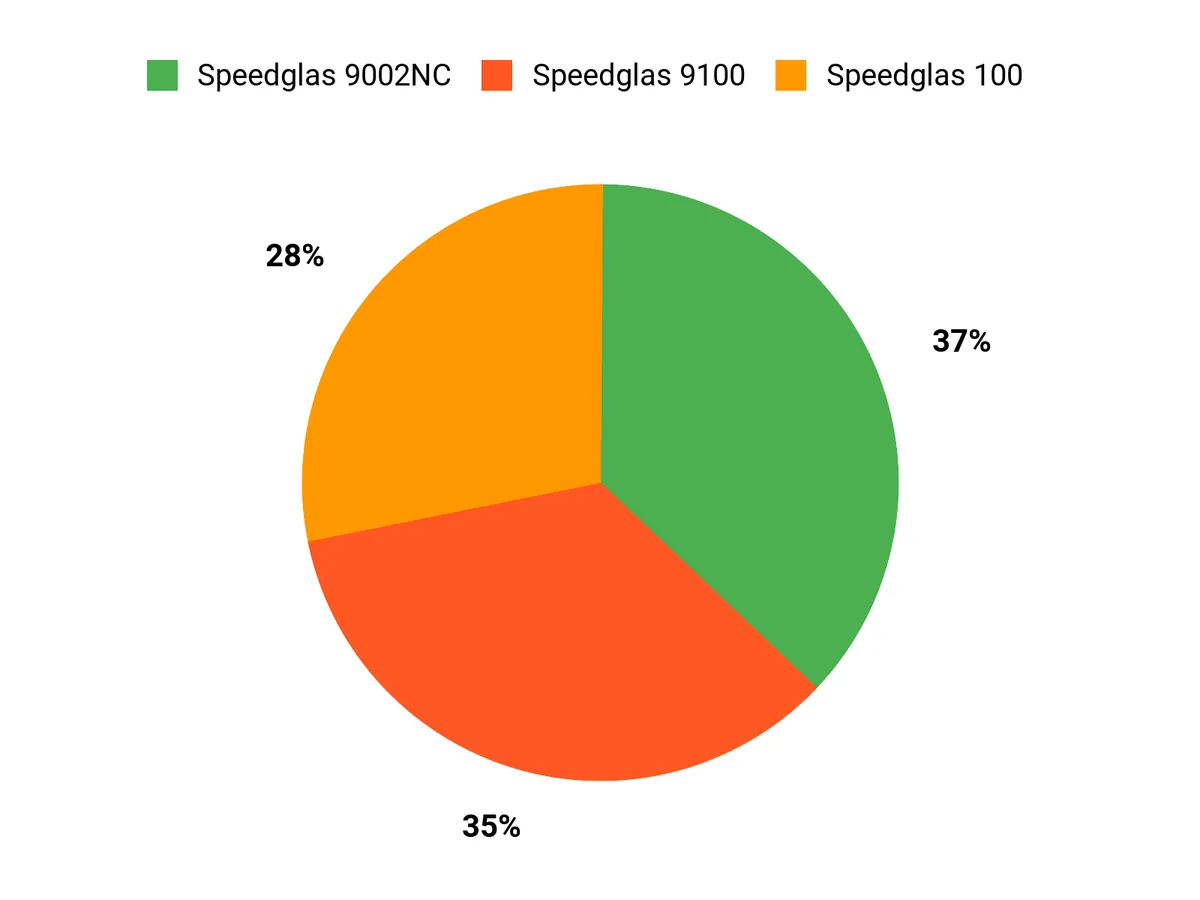
Most buyers should start with optics, field of view, headgear balance and system compatibility. A wider lens helps awareness, while a slimmer shell can be better in tight fabrication spaces. Current product support also matters because cover plates, headgear, filters and respiratory parts wear out over time.
Within this source list, the 3M Speedglas 9002NC is the current choice for a slim general-purpose welding helmet. If you need a hard-hat or PAPR system, compare current 3M G5 configurations rather than relying on the legacy 9100 components shown above.
Which 3M Speedglas Welding Helmet Should You Buy?
- TIG and fine fabrication: get the 3M Speedglas 9002NC.
- Tight work areas: get the 3M Speedglas 9002NC for its slimmer shell.
- General MIG or stick work: get the 3M Speedglas 9002NC if shades 8–12 fit your process.
- Hard-hat integration: none of the currently verified picks here covers that need; compare current G5 hard-hat systems.
- Powered respiratory protection: none of the currently verified picks here is a current PAPR recommendation; compare current G5 respiratory systems.
How We Chose
- Current status: we checked the linked product, current 3M pages and 3M phase-out notices before recommending anything.
- Optics: viewing area, shade range and Natural Color capability were weighted heavily because they affect what you can see while welding.
- Fit and workflow: shell size, headgear, hard-hat integration and respiratory-system compatibility were matched to real work situations.
- Owner feedback: recurring comments were used only when independent welding communities showed the same trend.
- Safety: recall records, manufacturer instructions and lifecycle status were checked before the final picks were built.
3M Speedglas Welding Helmet Buying Guide
Viewing Area and Optical Clarity
A larger ADF can make it easier to see the joint, nearby fixtures and your surroundings. A smaller lens can keep the helmet lighter and slimmer. Natural Color filters reduce the strong green cast common to older ADFs. For close TIG or fabrication work, the 3M Speedglas 9002NC balances a compact shell with a 2.13 × 4.09-inch viewing area.
Shade Range and Arc Detection
Choose a filter whose dark-shade range covers the processes and current levels you actually use. More sensors can help when part of the helmet is blocked from the arc, but sensor placement still matters. The 9002NC uses two sensors and dark shades 8–12, so confirm both the shade requirement and sensor visibility for unusual welding positions.
Headgear, Weight and Flip-Up Balance
Comfort is more than total weight. A helmet can feel tiring if its center of gravity shifts when you raise it. Check ratchet adjustment, pivot tension and whether the hood stays where you place it. Owners often describe the 9002NC as light, but some dislike its behavior when repeatedly flipped up.
Hard-Hat and Respirator Compatibility
Do not mix a welding shell, hard-hat mount or PAPR by appearance alone. These are protective systems with specific compatible parts. Legacy 9100 QR and FX-Air components may still appear online, but a current G5 configuration is the safer starting point for a new system because the manufacturer now supports that family.
Replacement Parts and Product Lifecycle
Cover plates, headgear, batteries and respiratory filters are consumables. A helmet can remain usable long after its launch, but buying into a phased-out platform may make future parts planning harder. Check current manufacturer support before choosing a legacy model just because the initial listing looks familiar.
Mistakes to Avoid When Buying a Welding Helmet
- Buying by model name alone: match the exact part number and ADF variant.
- Ignoring lifecycle status: check whether the complete assembly is still supported.
- Assuming every shade fits every job: choose shades from the process guidance and instructions.
- Mixing hard-hat or PAPR parts: verify the complete approved configuration before use.
- Forgetting consumables: confirm cover plates, batteries and replacement parts are available.
FAQs
Which 3M Speedglas welding helmet should I choose?
Choose by the work you do most. The 3M Speedglas 9002NC is the only model in this source list that passed the current verification checks. It suits TIG, MIG, stick and general fabrication where a slim shell and Natural Color optics matter. For hard-hat or PAPR needs, compare current G5-series systems and verify every component before ordering.
Is the 3M Speedglas 9002NC good for TIG welding?
Yes, the 3M Speedglas 9002NC is designed for TIG as well as MIG and stick welding. Its Natural Color optics help show contrast, and its slim profile can help in tighter work areas. The ADF uses a light state of 3 and adjustable dark shades 8–12. Confirm the required shade for your exact welding current and process.
What shade range does the Speedglas 9002NC use?
The 9002NC ADF has a light state of shade 3 and adjustable dark shades 8–12. That range covers many common arc-welding jobs, but it is not a universal setting for every task. Select the shade that matches your process and current, and follow the 3M user instructions and your workplace safety requirements.
Can I use a Speedglas helmet with a hard hat?
Some Speedglas systems are designed for compatible hard-hat setups, but the parts must be matched as a system. Older 9100 QR components in this article are legacy products, so do not assume a current hard hat will fit them. Check the exact 3M helmet, adapter, hard hat and ADF part numbers before buying or mixing components.
How should I clean and maintain a Speedglas ADF?
Keep the cover plates and sensors clean with methods allowed in the 3M instructions. Replace scratched or damaged cover plates before they reduce visibility. Inspect the headgear, sensor area and battery condition regularly, and store the helmet where heat, moisture and impact will not damage it. Use only compatible replacement parts for the exact helmet and ADF.
Are 3M Speedglas 9100 helmets still current models?
The legacy 9100 family is no longer the current complete-helmet line. 3M announced a phase-out of 9100, 9100-Air and 9100 FX complete assemblies by March 2025, with some no-ADF assemblies continuing later. Existing owners may still find parts or service support, but new buyers should compare the current G5 family instead.
Do I need a PAPR for welding fumes?
A PAPR may be appropriate when a workplace respiratory hazard assessment calls for powered respiratory protection. The right protection depends on the metal, coating, process, ventilation and exposure level. A welding helmet alone does not control fumes. Follow your employer’s respiratory protection program, applicable regulations and the respirator manufacturer’s instructions before selecting any PAPR system.
Final Verdict
Among these 3M Speedglas welding helmets, the 3M Speedglas 9002NC is the only product that passed the current verification rules as a recommendation. Its Natural Color optics, slim shell and supported 9002NC ADF make it the safest editorial choice from this source list.
The legacy 9100 and 9100 QR products remain useful reference points, but they are no longer current recommendations. This roundup also needs more current products before it can offer a meaningful Best value or Premium pick.
Original Product Visuals
These product images remain useful for visual identification. Use the verified sections above to judge which models are current recommendations and which are legacy references.
| Image | Current status |
|---|---|
|
|
Legacy entry; see section 1. |
|
|
Legacy entry; see section 2. |
|
|
Verified recommendation; see section 3. |
|
|
Not recommended from the current linked listing; see section 4. |
|
|
Legacy respiratory system; see section 5. |


[…] reduces dependence on guesswork and correction. Additionally, ensuring that the helmet meets safety standards is vital for optimal protection during welding […]
[…] shielding during varied welding processes such as MIG and TIG. Additionally, many models offer natural color technology for improved visibility and clarity, enhancing the overall welding […]
[…] optical clarity, reduces avoidable wear, and supports safer work, especially when considering natural color technology for better […]
[…] the eyes to intense light during welding and cause welder’s flash or damage. Additionally, using natural color technology in grind mode helps maintain clarity while ensuring protection from harmful […]
[…] and fit also matter; adjustable headgear helps maintain steadiness during extended sessions. Natural Color Technology enhances clarity and ensures optimal visibility, which is crucial for precise […]
[…] helmet and filter shade; good optics also make puddle and slag boundaries easier to see. This welding helmet guide covers one family of helmet […]