

TIG welding gloves have to protect your hands without taking away the fingertip control you need for the torch and filler rod. The best choice depends on how much you value dexterity, heat and cut protection, cuff coverage and reinforcement.
For the best balance, Lincoln Electric Premium TIG Welding Gloves K2983 combines goatskin feel with selective lining, a padded palm and reinforced fingertips. For a lower-cost unlined option, Caiman 1600-4 TIG Welding Gloves keeps the construction simple and TIG-focused.
These picks were checked against current manufacturer specifications, current retailer availability, safety-recall searches and the exact models tied to the existing affiliate links.
TIG Welding Gloves Compared
| Product | Best for | Material | Key feature | Score |
|---|---|---|---|---|
|
Mid-range
|
Balanced TIG control and reinforcement | Top-grain goatskin + split cowhide | Padded palm + reinforced fingertips | 94/100 |
|
Mid-range
|
Cut and heat protection with TIG capability | Goatskin leather + ParaActiv | ANSI A2 cut + ANSI Level 3 heat | 92/100 |
|
Budget
|
Budget-friendly unlined TIG control | Goat grain + split-cowhide cuff | Unlined + 4-inch cuff | 87/100 |
|
Budget
|
Thin, TIG-specific control | Top-grain pearl goatskin | GlidePatch + reinforced thumb | 90/100 |
|
Budget
|
Three-finger tactile design | Goatskin fingers + cowhide body | 3-finger design + DragPatch/RestPatch | 85/100 |
|
Mid-range
|
Stick welding and heavy fabrication | Elk split + cow split leather | 10-inch cuff + foam-insulated cotton liner | 83/100 |
|
Premium
|
Premium padded-palm TIG comfort | Premium goat-grain leather | Unlined + triple-padded palm | 88/100 |
TIG Welding Gloves: Our Top Picks
1. Lincoln Electric Premium TIG Welding Gloves K2983

Bottom line: Lincoln Electric Premium TIG Welding Gloves K2983 — A balanced TIG glove for welders who want fine hand control without giving up reinforcement. Its goatskin hand, selective lining and padded palm make it the most rounded verified option here.
Key Specs
- Material: Top-grain goatskin with split cowhide reinforcement, keeps the hand supple while reinforcing wear zones
- Lining: Unlined palm with a thin knit-cotton top liner, keeps palm feel high with added top-hand coverage
- Stitching: Kevlar thread, strengthens seams around repeated flex points
- Protection: Padded palm and reinforced fingertips, adds grip comfort and wear resistance
The K2983 uses soft grain leather, a keystone thumb and a three-piece finger structure. Those details reduce bulk around the joints and help you control a torch and filler rod without the feel of a heavy stick glove.
Lincoln leaves the bottom hand unlined while adding a thin knit-cotton liner over the top hand. That construction favors touch at the palm and fingers while adding some coverage where radiant heat reaches the back of the hand.
Reinforced fingertips, side-hand leather and a padded palm target the areas that see rubbing during TIG work. The trade-off is that this remains a dexterity-first glove rather than a fully lined high-heat glove.
Sentiment Snapshot
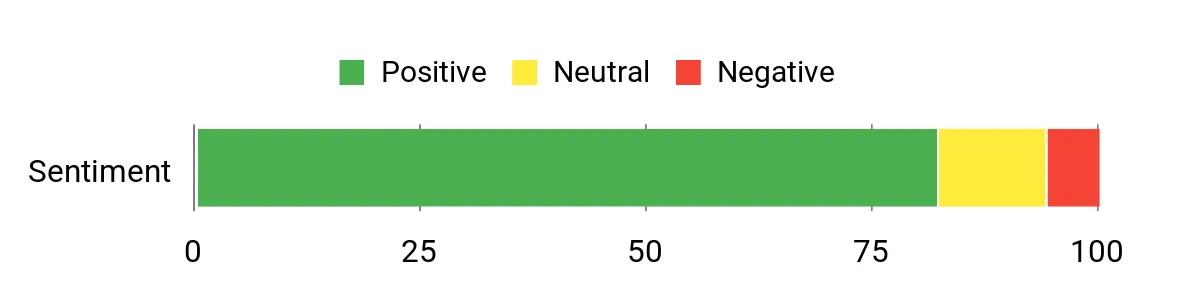
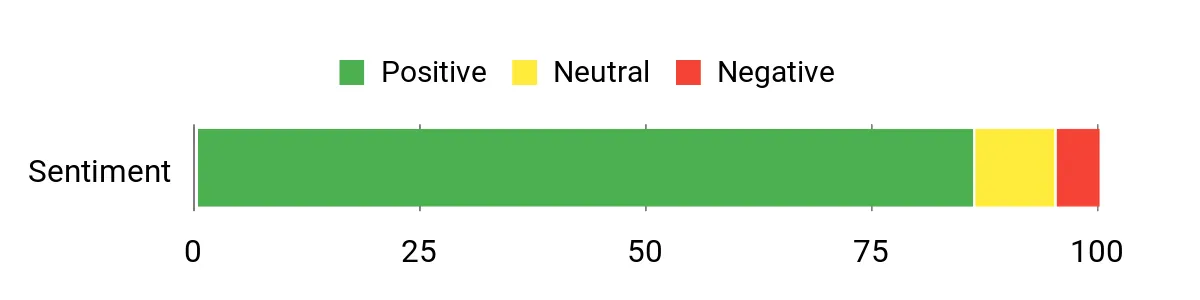
- Supple goatskin supports precise torch and filler-rod control
- Selective lining preserves palm feel
- Padded palm and reinforced fingertips add wear protection
- Kevlar stitching strengthens the seams
- Not fully lined for sustained high-heat work
- No published cut-resistance rating in the current K2983 product data
2. Superior Glove Endura 370GFKL

Bottom line: Superior Glove Endura 370GFKL — The protection-focused choice if you need more than a thin TIG glove. Superior Glove lists the 370GFKL for both MIG and TIG, with a 360-degree cut-resistant liner and documented heat protection.
Key Specs
- Material: Goatskin leather with ParaActiv engineered yarn, combines a leather shell with protective fiber
- Lining: 360-degree ParaActiv liner, adds cut protection around the hand
- Cuff: Extended gauntlet cuff, adds wrist coverage from sparks
- Protection: ANSI A2 cut, ANSI Level 3 heat, ANSI Level 4 abrasion, adds documented protection beyond basic leather
The Endura 370GFKL is officially described as a MIG glove with fine-touch sensitivity, but the manufacturer also recommends it for TIG welding. That makes it useful when your work includes sharper material edges or more heat than a typical unlined TIG glove is built to manage.
Its ParaActiv liner provides 360-degree ANSI A2 cut protection, while the glove carries ANSI Level 3 heat and Level 4 abrasion ratings. Those published ratings make the protection easier to compare than gloves that rely only on material descriptions.
The cost of that extra protection is more material around your hand. If maximum fingertip sensitivity is your only priority, an unlined goatskin model will usually feel less bulky.
Sentiment Snapshot
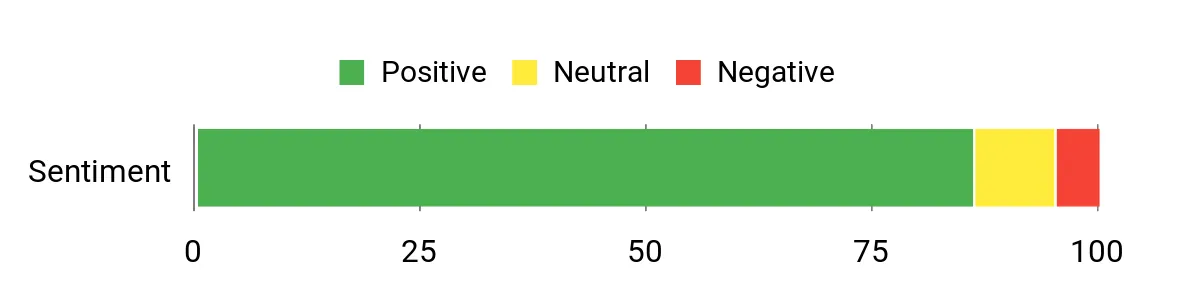
- Documented ANSI A2 cut protection around the hand
- ANSI Level 3 heat and Level 4 abrasion ratings
- Goatskin construction keeps it more flexible than a heavy stick glove
- Extended gauntlet cuff adds wrist coverage
- More lining than a pure dexterity-first TIG glove
- Manufacturer care instructions specify dry cleaning
3. Caiman 1600-4 TIG Welding Gloves
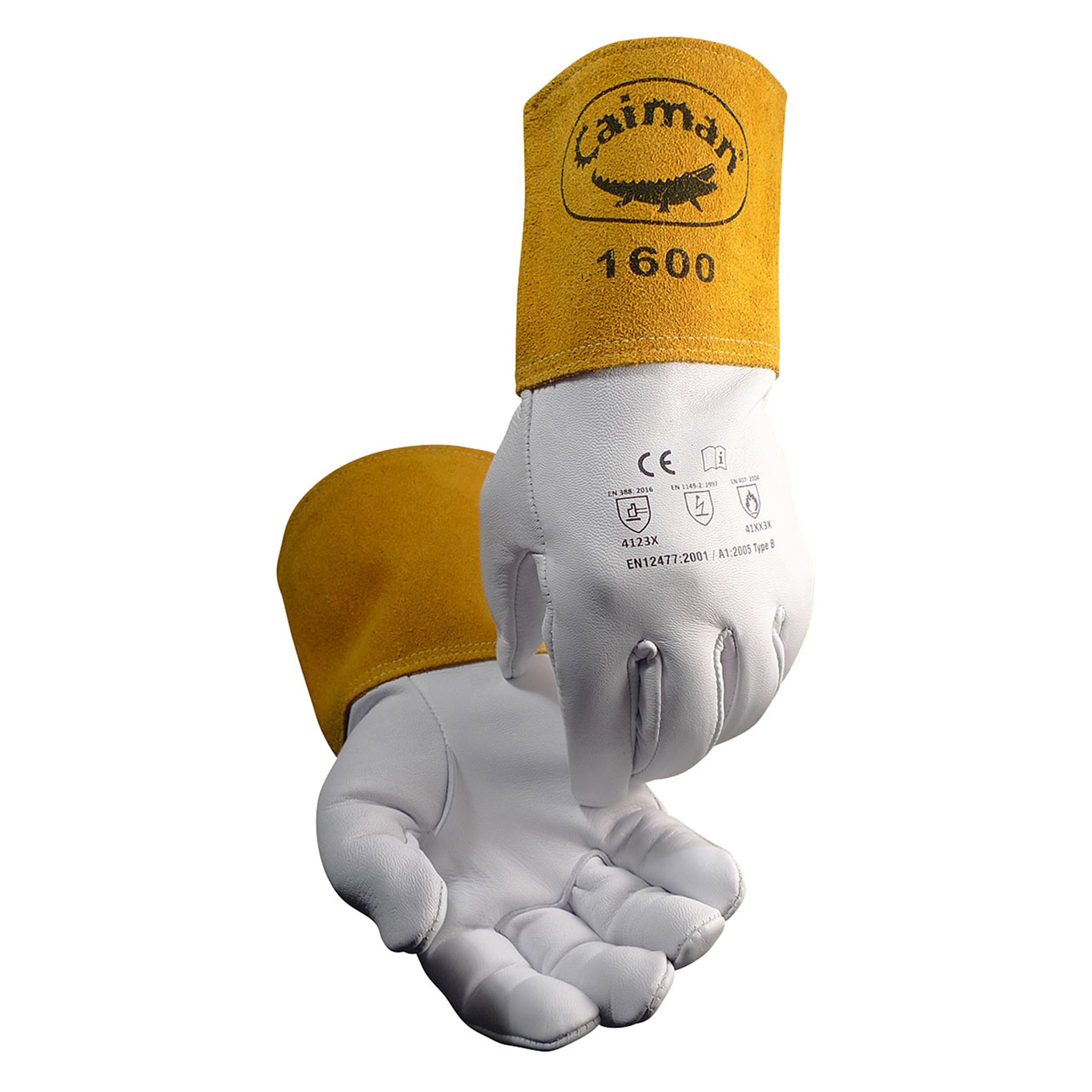
Bottom line: Caiman 1600-4 TIG Welding Gloves — A strong value for TIG welders who prefer an unlined glove. The 1600-4 pairs goat-grain leather with a four-inch split-cowhide cuff and Kevlar stitching without adding a full liner.
Key Specs
- Material: Premium goat grain palm and back with split-cowhide cuff, keeps the hand flexible while reinforcing the cuff
- Lining: Unlined, maximizes direct hand feel
- Cuff: 4-inch split-cowhide cuff, adds wrist coverage without a long gauntlet
- Stitching: Kevlar thread, adds seam strength for repeated use
- Protection: EN 388 4123 and EN 407 41, provides documented mechanical and thermal test results
PIP describes the Caiman 1600 as slightly thicker goat grain than many light TIG gloves. That gives you a little more material for routine shop wear while keeping the palm and fingers unlined for filler-rod control.
The four-inch cuff covers the wrist without the bulk of a long stick-welding gauntlet. Kevlar thread strengthens the seams, and current manufacturer data also publishes EN 388 and EN 407 results for the series.
Because the glove is unlined, it is aimed at control rather than maximum insulation. Move to a more protective glove if your work produces sustained heat, heavy spatter or frequent contact with hot material.
Sentiment Snapshot
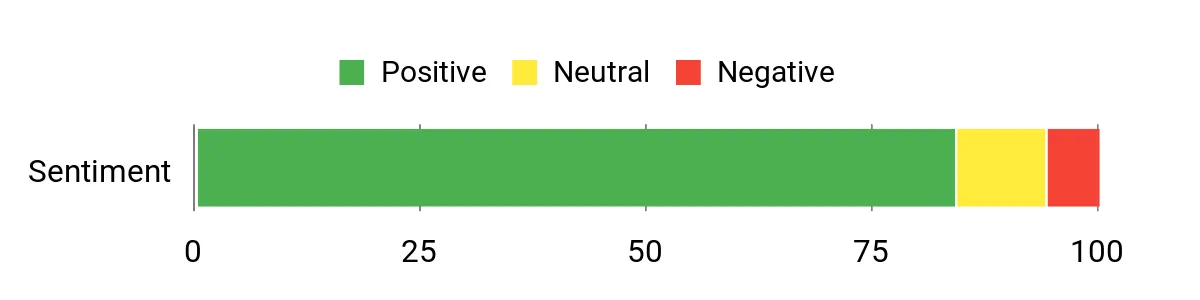
- Unlined goat grain keeps fingertip feedback high
- Four-inch split-cowhide cuff adds practical wrist coverage
- Kevlar stitching supports seam durability
- Manufacturer publishes EN mechanical and thermal test data
- Less insulation than lined welding gloves
- Four-inch cuff offers less forearm coverage than heavy gauntlets
4. Tillman 1338M TIG Welding Gloves

Bottom line: Tillman 1338M TIG Welding Gloves — A TIG-specific pick for welders who put precision first. Tillman keeps the 1338M unlined and uses top-grain goatskin, then reinforces the thumb and side-drag area instead of adding a bulky liner.
Key Specs
- Material: Top-grain pearl goatskin, prioritizes a soft, close hand feel
- Lining: Unlined, keeps bulk low for filler-rod control
- Cuff: 4-inch split-cowhide cuff, adds wrist coverage
- Stitching: Kevlar sewn, strengthens seams around normal flex points
- Protection: GlidePatch and reinforced thumb, protects common drag and stress areas
The 1338 is built around a straight-thumb pattern and a seamed forefinger. Tillman also adds its GlidePatch along the side of the glove to reduce wear where your hand may drag across the work surface.
A reinforced thumb supports a common stress point, while Kevlar sewing helps protect the seams. The four-inch split-cowhide cuff gives basic wrist coverage without turning the glove into a long gauntlet.
This is the kind of construction to choose for controlled TIG work, not for prolonged stick welding. Its unlined design and light feel are advantages only when the heat and spatter level suits a TIG glove.
Sentiment Snapshot
- Top-grain goatskin supports fine hand control
- Unlined construction keeps finger bulk low
- GlidePatch protects a common side-drag area
- Reinforced thumb and Kevlar sewing strengthen wear points
- Unlined construction provides limited insulation
- Not designed as a heavy-spatter stick-welding glove
5. Black Stallion BT88 TIG Welding Gloves

Bottom line: Black Stallion BT88 TIG Welding Gloves — A specialized TIG glove for welders who like a three-finger tactile layout. Black Stallion uses goatskin on the control fingers and cowhide elsewhere, with side patches for drag protection and wrist support.
Key Specs
- Material: Premium grain goatskin on three control fingers with cowhide elsewhere, puts softer leather where fine movement matters
- Stitching: DuPont Kevlar, supports seam durability
- Protection: DragPatch and RestPatch, adds side-hand heat and wrist padding
The BT88’s defining feature is its three-finger design. Black Stallion places premium grain goatskin on the thumb, ring and middle fingers, while using more durable cowhide across the rest of the glove.
The DragPatch targets the side of the glove that can contact the work surface, and the RestPatch adds padding where the wrist rests. Kevlar stitching ties the construction together without adding a full, bulky shell.
The unusual finger layout is a preference, not a universal advantage. If you want a conventional all-goatskin TIG glove, the Lincoln, Caiman or Tillman options will feel more familiar.
Sentiment Snapshot
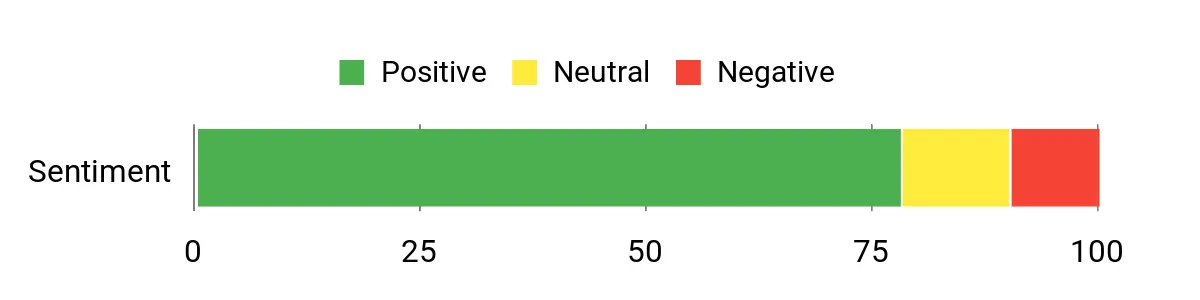
- Three-finger layout is purpose-built for TIG control
- Goatskin is placed on key control fingers
- Cowhide covers the rest of the glove for added durability
- DragPatch and RestPatch protect common contact areas
- Specialized finger layout may not suit every welder
- Manufacturer does not publish a numeric cut or heat rating on the current BT88 page
6. Ironclad Stick Welder WSTK
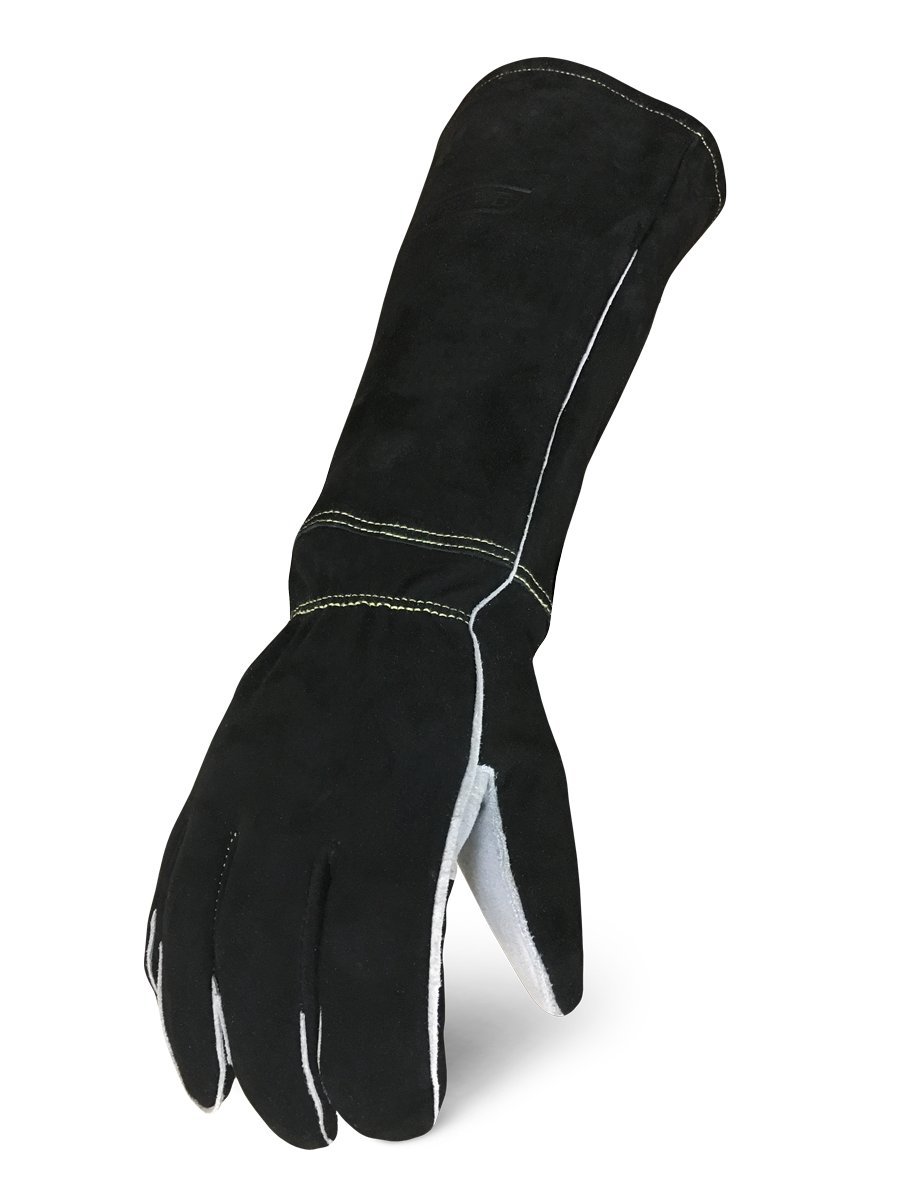
Bottom line: Ironclad Stick Welder WSTK — This is a current welding glove, but Ironclad lists it for stick welding and heavy fabrication rather than TIG. It stays in the roundup for source fidelity, but it should not be treated as a TIG recommendation.
Key Specs
- Material: Elk split leather with cow-split palm and thumb reinforcement, prioritizes heat and abrasion protection
- Lining: Cotton liner with foam insulation, adds thermal bulk for heavier welding
- Cuff: 10-inch cow-split safety cuff, extends wrist and forearm coverage
- Stitching: Welted seams with Kevlar FR thread, protects and strengthens the seams
- Protection: EN 388 3234, EN 407 413X4X, ANSI puncture 5, documents protection for heavier work
Ironclad’s WSTK uses elk split leather across the palm and back, cow-split reinforcement, a cotton liner with foam insulation and a long ten-inch safety cuff. That construction is aimed at heat, sparks, spatter and rougher fabrication.
The manufacturer lists EN 388 3234, EN 407 413X4X and ANSI puncture Level 5. Those are useful protection credentials, but the thick insulated build works against the fine filler-rod control that defines a TIG-specific glove.
Use this section only as a process-matching warning: a protective stick glove can be a good glove and still be the wrong glove for precision TIG.
Sentiment Snapshot
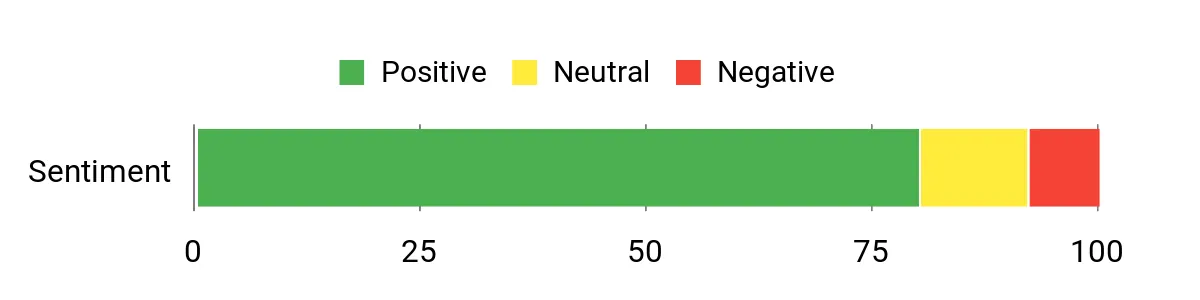
- Heavy leather construction suits stick welding and fabrication
- Ten-inch safety cuff adds substantial forearm coverage
- Cotton and foam lining increase insulation
- Published EN and ANSI protection ratings
- Manufacturer lists stick welding and heavy fabrication, not TIG
- Insulated construction is much bulkier than a TIG-specific glove
- Poor fit for readers seeking fine filler-rod sensitivity
7. Miller TIG Welding Gloves 263348

Bottom line: Miller TIG Welding Gloves 263348 — A premium-feel TIG glove for welders who want an unlined hand plus more palm cushioning. Miller’s 263348 uses goat-grain leather, Kevlar stitching and a triple-padded palm.
Key Specs
- Material: Premium goat-grain leather, keeps the glove flexible for TIG control
- Lining: Unlined, maximizes direct hand feel
- Stitching: Flame-resistant Kevlar thread, supports seam strength
- Protection: Triple-padded palm, adds cushioning at a common contact point
Miller specifies the 263348 as a large TIG glove in its Performance line. The hand is completely unlined, so the leather can flex around the torch and filler rod without an insulating layer between your hand and the glove.
The triple-padded palm is the main comfort feature. It adds cushioning where the hand can rest or drag, while flame-resistant Kevlar thread strengthens the seams.
One detail deserves a pre-purchase check: current Miller parts channels distinguish the 263348 six-pack from the 263348-1 single-pair number. Confirm the Amazon pack quantity shown at checkout rather than assuming how many pairs are included.
Sentiment Snapshot
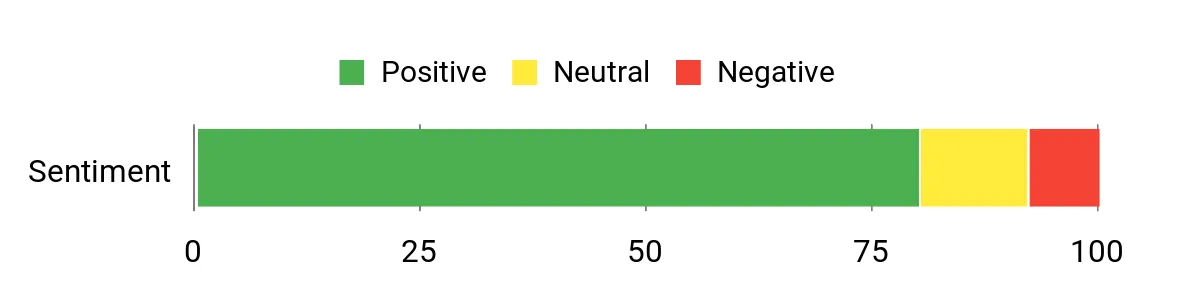
- Unlined goat-grain leather supports TIG dexterity
- Triple-padded palm adds contact-point cushioning
- Kevlar thread strengthens the seams
- Current Miller sources still list the 263348 TIG glove
- Unlined construction gives less insulation than lined gloves
- Premium price tier compared with simpler TIG gloves
- Pack quantity can vary by seller presentation, so it needs checking
Lincoln Electric Premium TIG Welding Gloves K2983 vs Caiman 1600-4 TIG Welding Gloves: Is the Upgrade Worth It?
The core trade-off is refinement versus simplicity. Lincoln adds selective lining, palm padding and reinforced fingertip and side-hand zones, while Caiman stays fully unlined and uses a straightforward goat-grain build with a four-inch cuff.
- Lining: Lincoln leaves the palm unlined but lines the top hand; Caiman is fully unlined.
- Reinforcement: Lincoln adds a padded palm, reinforced fingertips and side-hand leather for repeated contact points.
- Cuff: Caiman uses a verified four-inch split-cowhide cuff for compact wrist coverage.
- Price tier: Lincoln sits in the mid-range tier, while Caiman is the budget pick.
Which TIG Welding Gloves Should You Buy?
- Balanced TIG work: get the Lincoln Electric Premium TIG Welding Gloves K2983.
- Cut and heat protection: get the Superior Glove Endura 370GFKL.
- Value and unlined feel: get the Caiman 1600-4 TIG Welding Gloves.
- Precision-first TIG: get the Tillman 1338M TIG Welding Gloves.
- Three-finger tactile design: get the Black Stallion BT88 TIG Welding Gloves.
- Premium padded-palm comfort: get the Miller TIG Welding Gloves 263348.
Customer Preferences
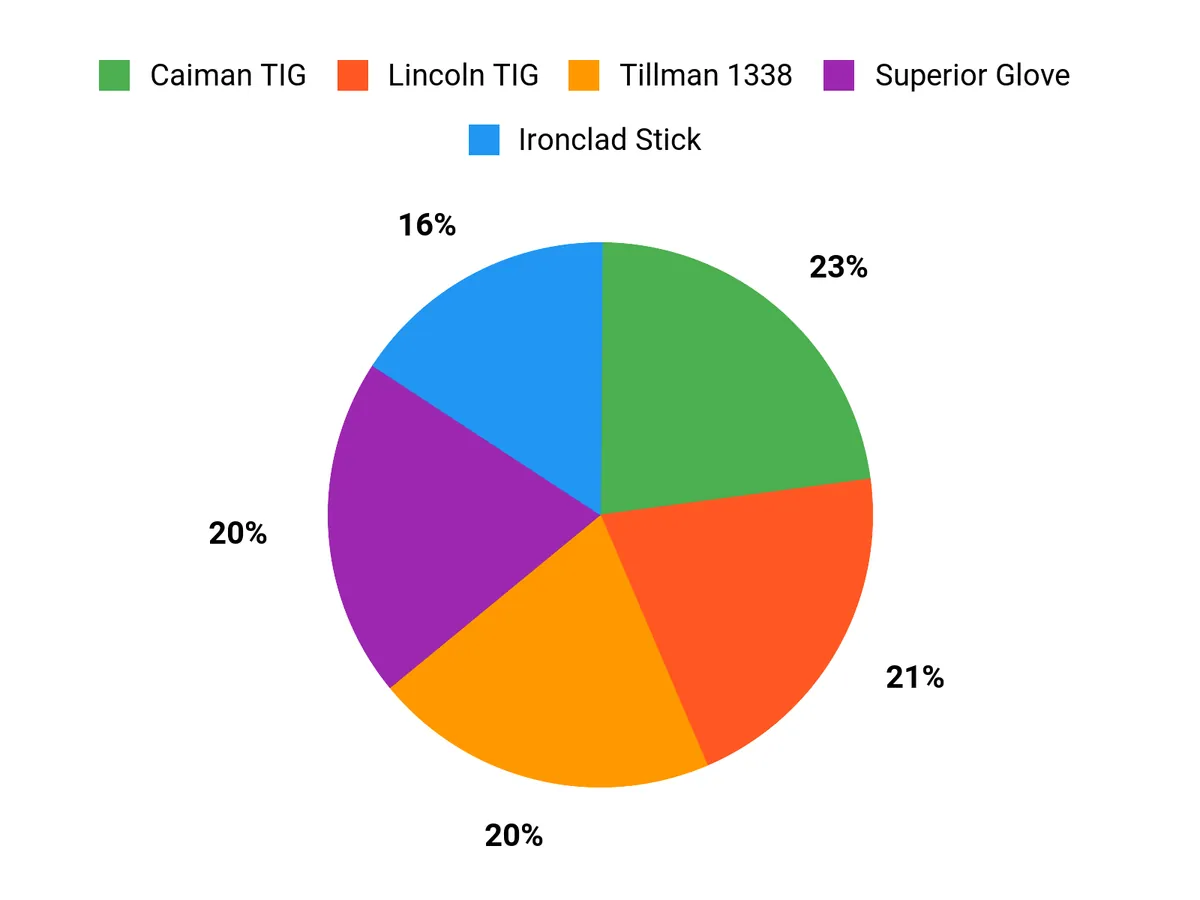
Choose Lincoln Electric Premium TIG Welding Gloves K2983 if you want the most balanced mix of dexterity and reinforcement. Pick Superior Glove Endura 370GFKL when documented cut and heat ratings matter more. Choose Caiman 1600-4 TIG Welding Gloves when you want an unlined glove with a simple cuff and strong value.
How We Chose
- Dexterity: We favored TIG-specific patterns, supple leather and unlined or selectively lined palms that preserve fine hand control.
- Protection: We checked cuff coverage, reinforcement, stitching and published ANSI or EN ratings where manufacturers provide them.
- Current product data: Manufacturer pages and current product documents took priority, with major retailers used to confirm current availability and variant details.
- Owner feedback and safety: We checked independent owner sources for repeatable trends and searched official recall records; no owner box was added without a trend appearing in at least two independent non-Amazon sources.
TIG Welding Glove Safety and Care
Use the glove that matches the welding process. A thin, unlined TIG glove can be excellent for filler-rod control but still be the wrong choice for sustained high heat, heavy spatter or rough stick-welding work.
Follow the manufacturer’s cleaning directions for the exact glove. The Superior Glove Endura 370GFKL, for example, is specified for dry cleaning. Inspect leather, seams, fingertips and cuffs before use, and remove a glove from service when holes, burns, hardening or failed stitching reduce protection or control.
TIG Welding Gloves Buying Guide
Dexterity vs Heat Protection
TIG welding usually rewards a close, flexible glove because you need steady torch control and smooth filler-rod feeding. Unlined models such as Caiman 1600-4 TIG Welding Gloves and Tillman 1338M TIG Welding Gloves prioritize that feel. If your work adds sharper material or more heat, a lined option such as Superior Glove Endura 370GFKL can make more sense.
Goatskin, Cowhide and Mixed-Leather Designs
Goatskin is common in TIG gloves because it can stay supple and close-fitting. Cowhide is often used where added durability or cuff structure matters. Mixed designs can target each job: Lincoln Electric Premium TIG Welding Gloves K2983 uses goatskin with split-cowhide reinforcement, while Black Stallion BT88 TIG Welding Gloves places goatskin on key control fingers and cowhide elsewhere.
Lining and Published Protection Ratings
A liner can add cut or heat protection, but it also adds material between your hand and the work. If you need documented protection, Superior Glove Endura 370GFKL publishes ANSI cut, heat and abrasion ratings. For a fully unlined feel, Caiman, Tillman and Miller take the opposite approach.
Cuff Length and Wrist Coverage
Shorter TIG cuffs reduce bulk and make glove changes easy, while longer cuffs add wrist and forearm coverage. Caiman 1600-4 TIG Welding Gloves and Tillman 1338M TIG Welding Gloves use four-inch cuffs. Do not assume a long cuff makes a glove better for TIG; the heavy ten-inch cuff on the Ironclad WSTK is one reason it fits stick welding better.
Stitching, Reinforcement and Palm Padding
Look at the areas that actually wear: fingertips, thumb, side of the hand and palm. Kevlar or aramid stitching appears on several picks. Lincoln reinforces fingertips and the side hand, Tillman adds a GlidePatch and thumb reinforcement, Black Stallion adds DragPatch and RestPatch zones, and Miller TIG Welding Gloves 263348 uses a triple-padded palm.
Fit and Sizing
A TIG glove should be close enough that loose leather does not fold at the fingertips. Measure your hand and use the manufacturer’s chart for the exact series. Do not choose a size from another brand by habit; patterns, finger length and cuff shape vary enough to change control and comfort.
Match the Glove to the Welding Process
Process matching matters more than a generic “welding glove” label. The Ironclad Stick Welder WSTK is current and protective, but Ironclad lists it for stick welding and heavy fabrication, so it is not a TIG pick here. For TIG-specific work, use a glove the manufacturer actually lists for TIG, such as Lincoln Electric Premium TIG Welding Gloves K2983 or Tillman 1338M TIG Welding Gloves.
Mistakes to Avoid When Buying TIG Welding Gloves
- Buying the thickest glove: extra insulation can make filler-rod control harder when your process does not need it.
- Ignoring the process label: a stick or heavy-MIG glove is not automatically a good TIG glove.
- Choosing by leather alone: lining, seams, reinforcement, cuff design and fit can matter as much as the hide.
- Skipping the size chart: excess fingertip material can reduce precision, while an overly tight glove restricts movement.
- Assuming care instructions are universal: follow the cleaning method specified for the exact glove.
FAQs
How do I choose the right TIG welding glove?
Choose by balancing dexterity, heat exposure, cuff coverage and the materials you handle. Unlined goatskin designs favor filler-rod feel, while lined or tested gloves add protection at the cost of some sensitivity. Match the glove to TIG first, then consider cut ratings, reinforcement and cuff length for the rest of your shop work.
How should TIG welding gloves fit?
TIG gloves should fit close enough that excess leather does not bunch at the fingertips, but they should not restrict finger movement or circulation. Measure your hand and use the manufacturer’s size chart for the exact model. A slightly loose glove can reduce filler-rod control, while a glove that is too tight can limit comfort and movement.
Are goatskin gloves good for TIG welding?
Yes. Goatskin is widely used in TIG gloves because it can be thin, supple and flexible while still providing leather protection. The complete glove matters more than the hide alone, though. Lining, reinforcement, seam design, cuff coverage and any published heat or cut ratings should also match the welding task.
Can I use TIG gloves for MIG or stick welding?
Only when the heat, spatter and duty cycle stay within what the glove is designed to handle. Many thin TIG gloves are unlined because dexterity matters most, so they are not substitutes for insulated MIG or stick gloves during hotter work. Use a process-appropriate glove when sparks, spatter or sustained heat increase.
How do I care for TIG welding gloves?
Follow the care instructions for the exact model. Do not assume every leather glove is hand washable; for example, Superior Glove specifies dry cleaning for the Endura 370GFKL. Keep gloves dry, inspect seams and worn leather before use, and replace a pair when burns, holes, hardening or damaged stitching reduce protection or control.
Do TIG welding gloves need a heat or cut rating?
Not every TIG glove publishes a numeric heat or cut rating, but documented ratings make protection easier to compare when your work includes sharp edges or more heat. For precision-only TIG, fit and dexterity may be the main priorities. For mixed fabrication, published cut, abrasion and heat results can be useful selection criteria.
How long should TIG welding gloves last?
There is no fixed service life because wear depends on heat, abrasion, contamination, welding position and how often the glove drags on the work. Inspect the leather, fingertips, seams and cuff before use. Replace the gloves when they are burned through, torn, badly stiffened or no longer let you maintain a secure grip.
Final Verdict: Best TIG Welding Gloves
For most TIG welders in this roundup, Lincoln Electric Premium TIG Welding Gloves K2983 gives the best verified balance of fingertip control, selective heat coverage and reinforcement. If your priority shifts toward documented cut protection or a fully unlined feel, the list has stronger specialist options.
For a lower-cost unlined choice, see Caiman 1600-4 TIG Welding Gloves. For the premium padded-palm option, see Miller TIG Welding Gloves 263348.
Product Image Reference
These product images are retained from the original roundup so you can visually match each linked item before leaving the page.
| Product | Image | Primary focus |
|---|---|---|
| Lincoln Electric Premium TIG Welding Gloves K2983 |
|
Balanced TIG |
| Superior Glove Endura 370GFKL |
|
Cut/heat protection |
| Caiman 1600-4 TIG Welding Gloves |
|
Unlined value |
| Tillman 1338M TIG Welding Gloves |
|
Precision TIG |
| Black Stallion BT88 TIG Welding Gloves |
|
Three-finger TIG |
| Ironclad Stick Welder WSTK |
|
Stick welding |
| Miller TIG Welding Gloves 263348 |
|
Padded-palm TIG |



[…] without delay, and documented to maintain a disciplined, compliant shop environment. Proper safety features like flame-resistant cuffs on gloves can further protect workers from […]