You want a MIG welder that delivers reliable results without wasting your budget. Choosing the right machine affects the quality of your welds, the time you spend tuning settings, and how portable your setup can be.
This guide focuses on machines that balance power, usability, and value so you can make confident purchases for hobby projects, shop work, or small contracts.
Top Picks
|
Category |
Product |
Score |
|---|---|---|
|
🏆 Best Versatile Power |
95/100 |
|
|
💼 Best For Professionals |
89/100 |
|
|
🎯 Best For Light Duty |
75/100 |
|
|
🚀 Best Power Value |
92/100 |
Selection Criteria
You need machines that match your work, so we prioritized factors that matter on the job. First, electrical flexibility and output range determine what thicknesses you can weld and whether you can run on 120V or 240V.
Duty cycle and actual amperage performance affect how long you can weld without overheating. We looked for reliable arc control, consistent wire feed systems and features like dual‑geared drives or spool gun readiness that reduce setup time.
Portability and weight matter if you move between sites, while build quality and warranty reflect likely longevity. Finally, price relative to capability guided choices to highlight true value rather than marketing claims.
Lincoln 211i

You get a portable, dual‑voltage MIG that feels like a step up from entry-level machines without being overcomplicated. The 211i runs on both 120V and 230V, so you can weld at home on household power or move to a job site and plug into 240V for heavier work. It includes auto‑selection presets and flux‑cored readiness, which means you spend less time guessing settings and more time laying consistent beads.
If you want a single machine that covers weekend projects, auto body repairs and light shop work, this one is an easy pick.
What People Say
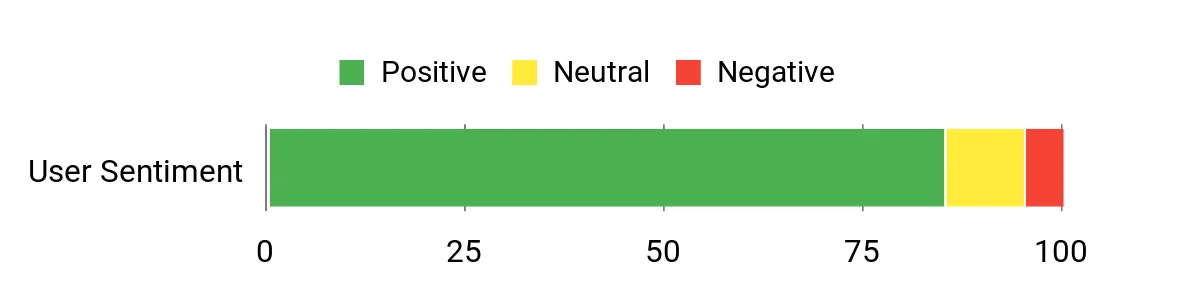
Customers consistently highlight how light and portable the 211i feels for its power and how well it welds on household 120V as well as 230V. People appreciate the preset selection system and consistent wire feed that reduce the trial‑and‑error stage.
Build quality and reliable arc performance show up frequently, with only a few notes about the upfront cost compared with bare‑bones units.
Overall Sentiment: Positive
Long‑Term Savings
A well‑made machine saves you time and reduces rework, which is where real savings show up. With consistent penetration and fewer adjustments, you spend less time grinding and fixing joints, and durable components mean fewer service trips over years of use.
Return On Investment
Because it covers both shop and on‑site needs, you avoid buying separate machines. Faster setup and better first‑pass welds translate to less wasted material and quicker project turnaround, so you begin to see value back in labor and materials rather than just equipment specs.
Situational Benefits
|
Situation |
How It Helps |
|---|---|
|
Home Garage Repairs |
Runs on 120V so you can weld on a standard outlet and still get good penetration for brackets, frames and small panels. |
|
Mobile Service Work |
At 41 pounds and with dual‑voltage capability, you can move it to a truck or trailer and use local 240V when available for heavier repairs. |
|
Small Shop Projects |
Stable arc control and preset settings speed repeatable welds across multiple parts, reducing setup time between jobs. |
|
Thicker Material Welding |
Higher amperage range and improved penetration let you weld thicker mild steel with fewer passes compared with lower‑rated hobby units. |
Ease Of Use
|
Feature |
Ease Level |
|---|---|
|
Initial Setup |
Easy |
|
Auto Presets |
Easy |
|
Control Panel |
Moderate |
|
Wire Feed |
Easy |
|
Maintenance |
Moderate |
Versatility
You can run solid MIG or flux‑core wire and switch between 120V and 230V, so the 211i handles repairs, fabrication and light production work without feeling out of its depth.
Durability
Lincoln’s build quality shows in the chassis and internal components, so you can expect a workhorse that tolerates regular use and transport better than many consumer‑grade machines.
Problem Solving
This machine reduces common DIY headaches by providing consistent wire feed, clear starting presets and enough power to avoid under‑penetration, which cuts down on grind‑and‑rework cycles.
Ease Of Assembly
Mostly plug‑and‑play with straightforward hookup and minimal assembly required, so you can be welding in a short amount of time.
Key Benefits
- Dual‑voltage flexibility so you can weld on 120V or 230V power
- Auto‑setup presets that get you close to ideal settings fast
- Portable 41 lb design makes it easy to move between jobs
- Strong penetration for cleaner, fewer‑rework welds on thicker material
Rating: 4.7 (total: 96+)
Hobart IronMan
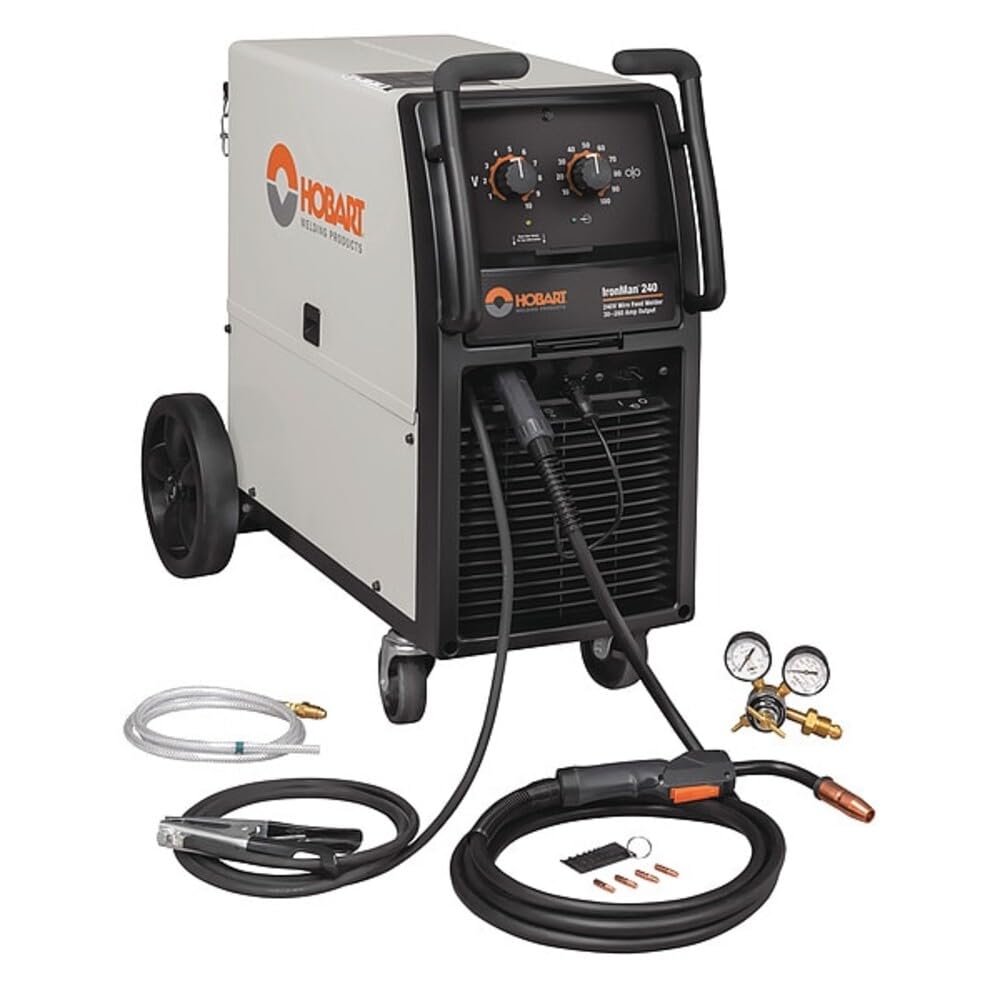
You get a heavy‑duty shop welder built for steady, repeatable results. The IronMan 240 delivers a wide amperage range and a smooth arc, so you can move from thin sheet work to thicker plate without swapping machines. Its dual‑geared drive and reversible roll make wire handling straightforward, and the built‑in running gear and cylinder rack suit a busy workshop.
If you want a machine that performs like a shop unit and stays stable during production runs, this is one to consider.
What People Say
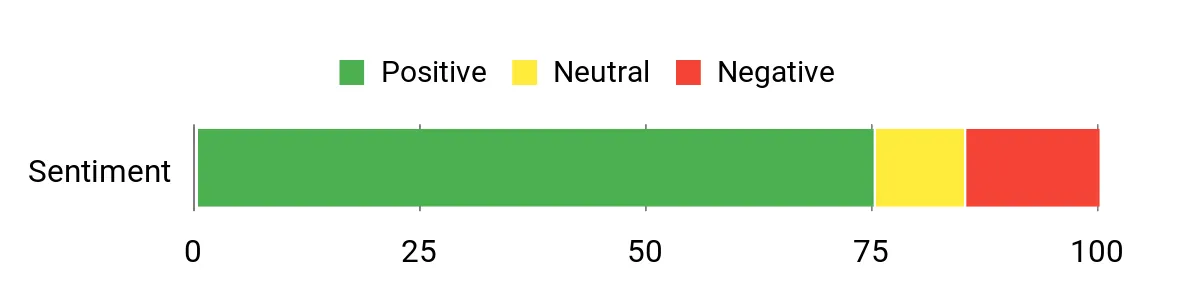
Customers often praise the IronMan for its solid arc and professional feel, noting that it handles a broad range of materials with less spatter and faster cleanup. Many point to the reliable wire feed and straightforward controls, while a minority report issues with quality control or service experiences.
Overall Sentiment: Positive
Long-Term Savings
A machine that reduces spatter and rework lowers material and labor waste over time. Durable components and a shop‑oriented design also mean fewer unexpected service interruptions and longer intervals between replacements.
Return On Investment
Because it performs like a higher‑end shop welder, you can increase throughput and reduce touch‑up work. That improves job turnaround and helps you recover equipment costs through more efficient labor and less scrap.
Situational Benefits
|
Situation |
How It Helps |
|---|---|
|
Production Shop |
Stable arc and heavy duty components let you run longer duty cycles with consistent part quality. |
|
Fabrication Work |
Wide amperage range and adjustable feed let you tackle both thin and thicker sections without changing machines. |
|
Training/Instruction |
Clear controls and predictable arc behavior make it easier to teach settings and technique to apprentices. |
|
Stationary Workshop |
Built‑in running gear and cylinder storage keep the workspace organized and ready for frequent use. |
Ease Of Use
|
Feature |
Ease Level |
|---|---|
|
Initial Setup |
Moderate |
|
Control Adjustment |
Moderate |
|
Wire Changeover |
Easy |
|
Daily Operation |
Easy |
|
Maintenance |
Moderate |
Versatility
The IronMan covers a wide spectrum of shop tasks with its 30–280 A range, dual‑geared drive accommodating common wire sizes, and capacity for both light and heavier welds.
Durability
This is a heavy, well‑built unit designed for frequent shop use; the solid chassis, running gear and warranty support indicate it will tolerate regular, demanding work.
Problem Solving
It addresses common shop problems like excessive spatter and inconsistent feed by offering refined arc control and a robust wire drive, which cuts cleanup time and improves first‑pass quality.
Ease Of Assembly
Expect a heavier lift and simple hookups rather than a plug‑and‑play consumer setup; once positioned, assembly and connection are straightforward.
Key Benefits
- Consistent arc quality and reduced spatter for cleaner welds
- Wide amperage range covers light sheet to 1/2 in plate
- Dual‑geared drive with reversible roll simplifies wire changes
- Robust build and running gear for shop durability
Rating: 4.3 (total: 15+)
ESAB FP135

You get a compact 2‑in‑1 unit that handles both MIG and flux‑cored jobs and is built for basic shop and field uses. It runs on 115V and includes the option to attach shielding gas, so you can switch between quick, no‑gas repairs and cleaner gas‑assisted beads. Its size and features make it a sensible choice for routine maintenance, hobby fabrication, and occasional farm or trailer work when you want a simple, reliable welder without a steep learning curve.
What People Say
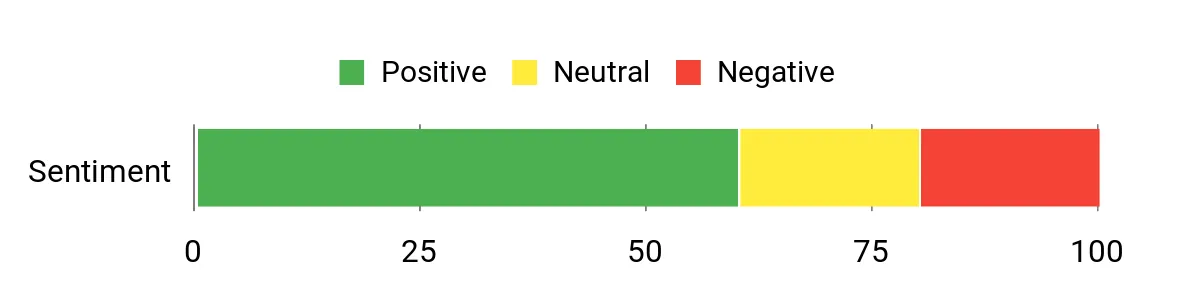
Buyers commonly note that the unit performs better than they expected for basic repair and hobby work, with a pleasing, flowing bead and minimal fuss. People also appreciate the gas attachment option, which gives more control over bead cleanliness when a gas supply is available.
A small number of users mention build or reliability concerns, but most focus on how approachable and effective it is for routine tasks.
Overall Sentiment: Neutral
Long-Term Savings
Because it combines MIG and flux‑core in one compact package, you avoid buying separate devices for occasional gas work and generator‑friendly repairs. Cleaner first‑pass welds reduce grinding and rework, and the unit’s simplicity lowers maintenance complexity over time.
Return On Investment
You recoup value through reduced cleanup and faster repair cycles, especially if your projects are intermittent and you need a single, adaptable machine rather than multiple specialized units.
Situational Benefits
|
Situation |
How It Helps |
|---|---|
|
Home Repairs |
Runs on standard 115V and handles common fixes like brackets, frames and small panels without complex setup. |
|
Generator Work |
Designed to operate on typical portable generators, making it suitable for remote or field repairs. |
|
Hobby Fabrication |
Offers both flux‑core convenience and gas‑assisted cleaner beads for lighter fabrication and artistic work. |
|
Occasional Farm Use |
Compact and portable so you can take it to outbuildings or trailers for on‑site maintenance. |
Ease Of Use
|
Feature |
Ease Level |
|---|---|
|
Initial Setup |
Easy |
|
Mode Switching |
Easy |
|
Gas Hookup |
Moderate |
|
Daily Operation |
Easy |
Versatility
Its dual MIG/flux‑core design and gas option let you adapt quickly between on‑site quick fixes and cleaner shop work, so one unit covers multiple common scenarios.
Durability
At around 56 pounds with a compact build and a multi‑year manufacturer warranty, it’s solid enough for occasional to moderate use but not intended for continuous heavy production.
Problem Solving
It solves everyday DIY and light commercial problems by offering an easy‑to‑use bead profile and the option for gas when you need better appearance and less cleanup, reducing time spent on touchups.
Ease Of Assembly
Minimal assembly and simple hookups mean you can be making test beads in a short time after unboxing.
Key Benefits
- Dual MIG and flux‑core capability for flexible use
- Gas attachment option for cleaner beads when needed
- Compact and portable for shop or light field work
- Straightforward controls that suit beginners
Rating: 3.6 (total: 2+)
Everlast Cyclone

You get a compact but powerful machine that behaves like a larger shop welder. The Cyclone 212i pairs MIG and stick capability with dual‑voltage operation and a digital control panel that simplifies setup using PowerSet and polarity reminders.
It accepts both 8″ and 4″ spools and is spool‑gun ready, so you can tackle everything from home repairs to heavier shop chores without swapping gear. If you want a single unit that adapts between weekend projects and tougher job‑site work, this one balances capability and portability well.
What People Say
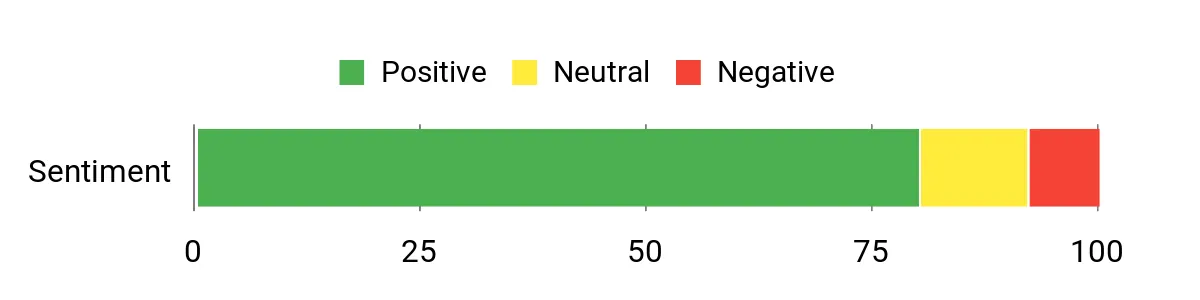
Buyers often praise how much capability is packed into a relatively small machine, noting strong penetration and a pleasing bead for both MIG and stick work. The digital PowerSet and polarity reminders get called out frequently for making settings less intimidating, and many users appreciate that it comes ready for spool guns. A number of owners also mention it feels like more machine than expected for hobby or small‑shop use.
Overall Sentiment: Positive
Long-Term Savings
Consolidating MIG and stick into one reliable unit reduces the need to buy separate machines, and better first‑pass welds cut down on rework and material waste. The digital controls also lower setup errors that can drive up consumable and labor costs over time.
Return On Investment
Because it covers multiple welding processes and voltages, you get more utility from a single purchase. Faster setup, fewer touchups and the ability to handle heavier work mean you recover value through time saved and expanded job capability.
Situational Benefits
|
Situation |
How It Helps |
|---|---|
|
Home Projects |
Dual‑voltage and user presets let you run on household power and get acceptable penetration for brackets, panels and repairs. |
|
Job‑Site Work |
Compact weight and 240V capability make it easy to move and plug into site power for heavier tasks. |
|
Hobby Fabrication |
Spool‑gun readiness and digital presets help when you switch between materials or try finer artistic work. |
|
Stick Welding Tasks |
Reliable stick output at practical duty cycles handles rods for outdoor or heavy‑duty repairs. |
Ease Of Use
|
Feature |
Ease Level |
|---|---|
|
Initial Setup |
Easy |
|
PowerSet Presets |
Easy |
|
Mode Switching |
Moderate |
|
Wire/Spool Change |
Moderate |
|
Maintenance |
Moderate |
Versatility
Combines MIG, stick and spool‑gun support with dual‑voltage operation, making it adaptable from quick fixes to more demanding fabrication work.
Durability
Built with a focus on rugged components and a compact inverter design, it stands up to regular use and transport better than many consumer models.
Problem Solving
PowerSet presets, polarity reminders and strong amperage range reduce common DIY issues like poor penetration and excessive trial‑and‑error, so you get usable welds faster.
Ease Of Assembly
Minimal assembly and clear hookups mean you can be testing beads shortly after unboxing with basic electrical connections.
Key Benefits
- Dual‑voltage flexibility for shop or household outlets
- MIG and Stick modes cover a wide range of tasks
- PowerSet digital presets speed setup and reduce guesswork
- Spool‑gun readiness and support for multiple spool sizes
- Compact, space‑saving footprint with strong amperage
Rating: 4.5 (total: 75+)
FAQ
How Do I Pick The Right Welder For My Projects?
Start by matching the welder’s amperage and duty cycle to the materials you plan to weld; higher amperage and a better duty cycle let you work thicker metal and longer without pauses. Consider whether you need MIG, flux‑core or stick capability and check spool‑gun readiness if you plan to weld aluminum.
Pay attention to features that reduce setup time, like presets or PowerSet functions, because a machine that gets you to a clean joint faster will save you time and frustration.
Do I Need Dual‑Voltage And Spool‑Gun Support?
Dual‑voltage gives you flexibility to run on standard household outlets or switch to 240V on site, which is useful if you move between garage work and heavier shop jobs. Spool‑gun support is important only if you plan to weld aluminum or frequently change spool sizes; it keeps wire feed consistent and reduces feeding issues.
If portability and versatility matter, a dual‑voltage, spool‑gun‑ready unit is a practical long‑term choice.
How Do I Keep The Welder Performing Reliably?
Regularly clean and inspect the wire feed, drive rolls and contact tip, and replace worn consumables to avoid inconsistent feed and poor arcs. Check liner condition, keep cables dry and secure good ground connections, and use the correct polarity and wire stick‑out for the process you’re running. Small preventative steps and a quick test bead before a project will reduce downtime and improve your first‑pass quality.
Customer Preferences
You typically prioritize a mix of electrical flexibility, ease of setup and real arc performance when choosing among these welders. You’ll gravitate to the Lincoln 211i for dual‑voltage versatility and helpful presets, pick the Hobart IronMan when sustained duty cycle and shop‑grade arc control matter most, and choose the ESAB FP135 if you want a compact, straightforward MIG/flux‑core unit for routine repairs.
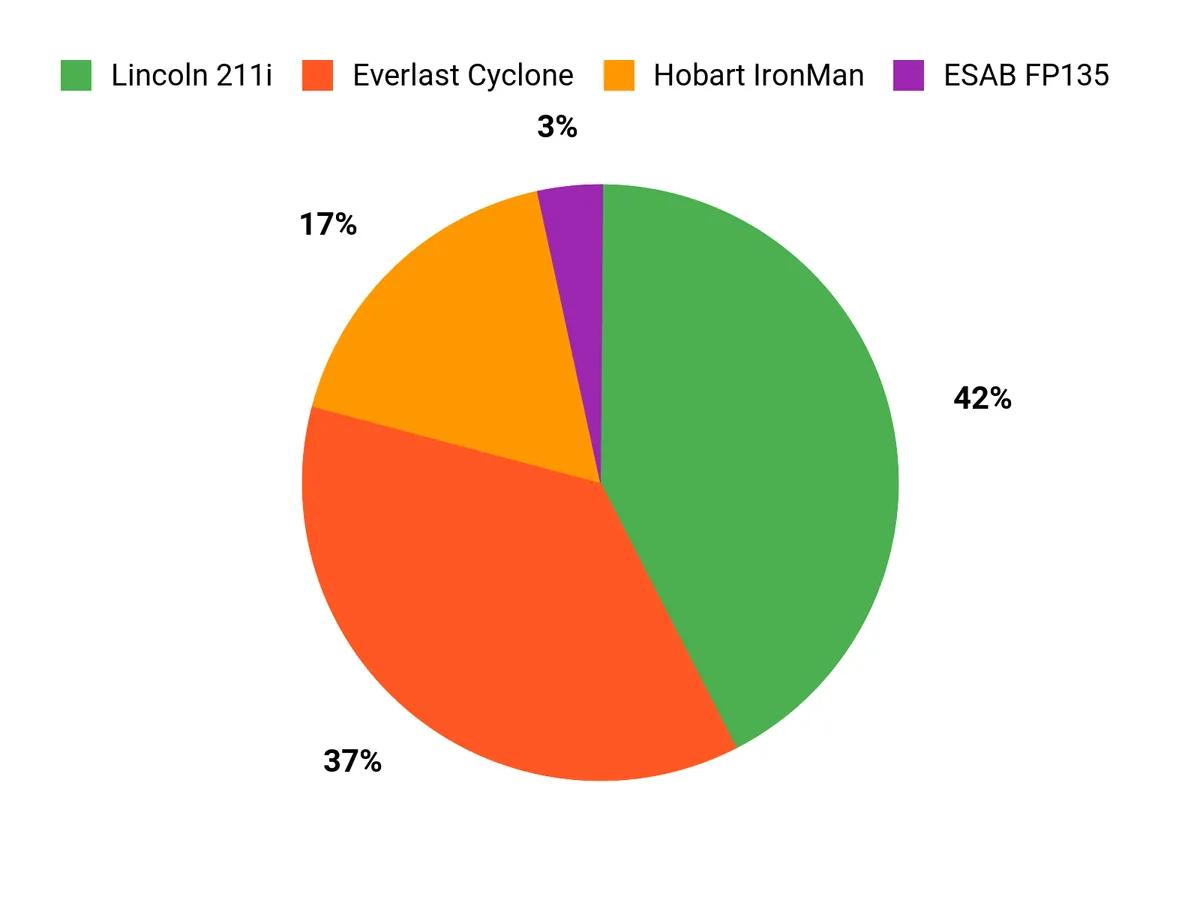
Wrapping Up
You want a welder that matches your projects and budget while minimizing frustration. The Lincoln 211i shines if you need true 120/240V versatility and easy setup, while the Everlast Cyclone delivers high output and strong value for heavier hobby or small‑shop work.
The Hobart IronMan suits steady shop production where robust components and sustained duty cycles matter. The ESAB FP135 is a straightforward, lighter duty option if you need a simple MIG/flux core unit for home repairs and generator use.
Consider the thickness you plan to weld, whether you need portability, and how much time you want to spend dialing in settings, and choose the machine that aligns with those priorities so you get cleaner welds and fewer redo cycles.
| Product Name | Image | Rating | Max Output (Amps) | Weight (lbs) | Warranty |
|---|---|---|---|---|---|
| Lincoln Electric Power MIG 211i MIG Welder |
|
4.7/5 (N reviews) | 211 A | 41 lbs | 3 Year Limited Warranty |
| Hobart IronMan 240 MIG Welder |
|
4.3/5 (15 reviews) | 280 A | 186 lbs | 5/3/1 Limited Warranty |
| ESAB FIREPOWER 1444-0326 FP 135 Welder |
|
3.6/5 (2 reviews) | 135 A | 56 lbs | 3 Year Manufacturer’s Warranty |
| Everlast Cyclone 212i Stick Welder |
|
4.5/5 (75 reviews) | 230 A | 35 lbs | 5 Year Limited Warranty |
This Roundup is reader-supported. When you click through links we may earn a referral commission on qualifying purchases.