
You spend long hours working near intense light and molten metal, and the right welding helmet does more than block sparks: it protects your vision, reduces fatigue, and gives you the clarity to lay better beads. This guide cuts through specs and marketing to show which helmets deliver the most useful advantages for different needs so you can choose with confidence.
Top Picks
|
Category |
Product |
Score |
|---|---|---|
|
🏆 Best Color Accuracy |
90/100 |
|
|
🎯 Best for Productivity |
89/100 |
|
|
💰 Best Value |
84/100 |
|
|
🚀 Best Field Of View |
91/100 |
|
|
🎨 Best Aesthetics |
88/100 |
|
|
💼 Best for Long Workdays |
94/100 |
Selection Criteria
We evaluated helmets using the features that matter to you on the job: optical clarity and color rendering, switching speed and sensor reliability, viewing area and angle performance, headgear comfort for extended shifts, physical durability and safety certifications, battery and charging systems, and useful extras like data tracking or grind mode. Each model was judged not just on headline specs but on how those specs translate to real welding tasks so you can match a helmet to the way you work.
Optrel Panoramaxx CLT

This helmet is built around Optrel’s Crystal Lens Technology 2.0, which gives you a unusually natural light state and a very detailed dark state so you can see the weld pool with clarity that feels closer to looking through glass. It’s lightweight and designed for long use, making it easy to keep the hood down between arcs and maintain sight lines.
For everyday TIG or MIG work where color fidelity and fine control matter, the CLT model is a strong choice. If you do a mix of precision work and longer jobs, you’ll appreciate the view and the quick-release headgear that keeps adjustments fast and simple.
What People Say
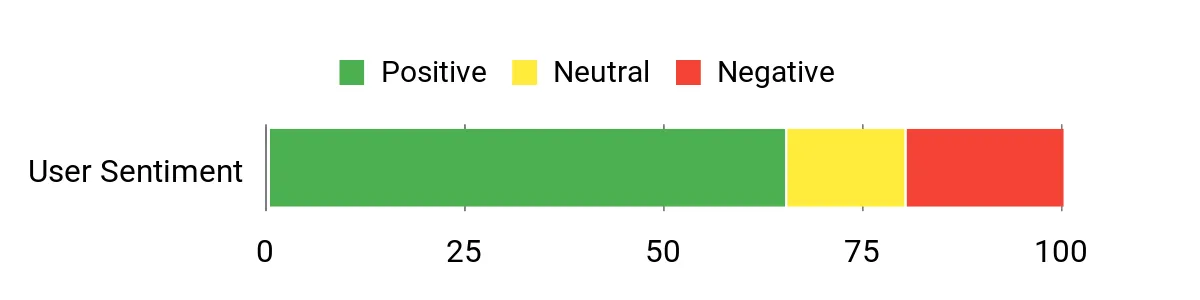
Customers frequently highlight the view and color rendering as the helmet’s standout strengths, calling out how it helps them see the weld pool without excessive eye strain. Many also praise the light weight and comfortable headgear.
Complaints cluster around fit-and-finish issues like loose padding, awkward charging-port placement, and occasional unit failures, which suggests you should inspect a new unit carefully when it arrives.
Overall Sentiment: Neutral
Situational Benefits
|
Situation |
How It Helps |
|---|---|
|
Precision TIG Work |
The near-window color rendering makes subtle contrasts and puddle details easier to pick out, so you can control heat and filler with more confidence. |
|
Long Shop Shifts |
A lightweight lens and comfortable headgear reduce neck and forehead pressure so you can keep the hood down longer with less fatigue. |
|
Training and Learning |
Clear, natural light state helps you line up starts and watch bead formation, making it easier to develop consistent technique. |
Versatility
This helmet works well across TIG, MIG, and stick welding and is usable for grinding. It excels where visual fidelity matters most, though bulkier accessories like glasses may affect fit.
Safety Features
Auto-darkening filter with rapid switching, grind mode and a high-contrast view that reduces eye fatigue during repetitive arcs. It includes standard protection levels expected of modern ADF helmets.
Durability
The unit is very light, which helps comfort but can feel fragile to some users. Several reviews note problems with glued padding and rare lens failures, so handle the helmet carefully and inspect components after purchase.
Comfort
IsoFit-style headgear and a shallow nose depression make the helmet sit comfortably and securely. The light optical pack minimizes forward weight and helps prevent neck fatigue on long jobs.
Problem Solving
If your main issue is seeing fine detail and reducing eye strain, this helmet directly addresses that. It also helps keep workflow smooth by letting you keep the hood down between tasks, though occasional quality control issues can interrupt reliability.
Key Benefits
- Exceptional color accuracy for precise arc and bead control
- Very light optical assembly reduces neck strain during long shifts
- Simple, reliable auto-darkening with a usable grind mode
- Comfortable IsoFit-style headgear with quick-release adjustments
Rating: 3.8 (total: 109+)
Miller Infinity

You’ll notice the view first: the ClearLight 2.0 lens brightens the light state so you can keep the hood down between welds and maintain sight lines. The large 13.4 square-inch window gives a roomy field of view that helps when you’re working in awkward positions or switching processes.
Digital controls and AutoSense make dialing in shade and sensitivity straightforward, and InfoTrack gives you useful arc-time and arc-count data if you want to monitor productivity. It’s a solid all-around helmet if you want clarity, easy controls, and features that work across daily shop tasks.
What People Say
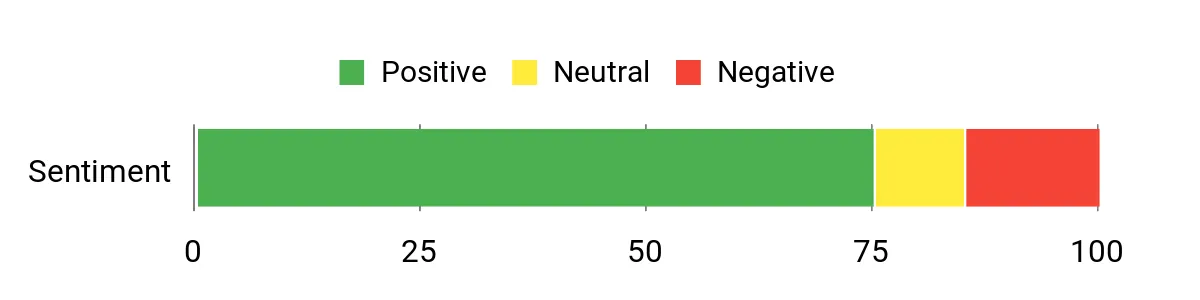
Most users praise the clarity and the roomy viewing area, saying it makes routine work and precise welds easier. People also like the simple digital controls and the productivity data from InfoTrack.
Complaints are relatively rare but tend to focus on headgear durability and occasional random behavior that may require a reset or service.
Overall Sentiment: Positive
Situational Benefits
|
Situation |
How It Helps |
|---|---|
|
Precision TIG |
A brighter light state and accurate color rendering let you see puddle details and transitions more clearly, improving control on fine work. |
|
High-Volume Production |
InfoTrack and memory presets streamline repeated tasks and let you monitor arc time so you can optimize workflow. |
|
Mixed-Process Shops |
Four operating modes plus easy shade and sensitivity adjustments let you switch quickly between MIG, stick, cutting and grinding. |
Versatility
The helmet performs well across TIG, MIG, stick and cutting applications and supports grinding. X-Mode helps in bright environments where sensors might be challenged.
Safety Features
Auto-darkening ADF with fast switching, multi-mode functionality for welding and grinding, and AutoSense to adapt sensitivity to your environment.
Durability
Construction is generally solid, but a subset of users report headgear cracking or other fit-and-finish issues. Treat the headgear with care and check for defects on arrival.
Comfort
Weighing about 22 ounces with flexible, supportive headgear, it’s comfortable for long periods and designed to sit stable without excessive pressure points.
Problem Solving
If you struggle with visibility or changing tasks, this helmet addresses both by improving the light state and offering quick, repeatable settings. Occasional reliability quirks can interrupt workflow, so factor that into heavy production use.
Key Benefits
- Exceptional clarity and color optimization with ClearLight 2.0
- Large viewing area improves situational awareness
- AutoSense and memory settings simplify setup
- InfoTrack data helps you track arc time and count
Rating: 4.2 (total: 14+)
Jackson Translight

You get a roomy viewport and precise external shade control that make setup quick and keep your eyes less strained during long runs. The helmet is ergonomically balanced and light, so it stays comfortable when you’re working on extended builds or switching between TIG, MIG and cutting.
If you need a practical, safety-certified hood that prioritizes vision and repeatable settings for shop work, this is a dependable option to consider.
What People Say
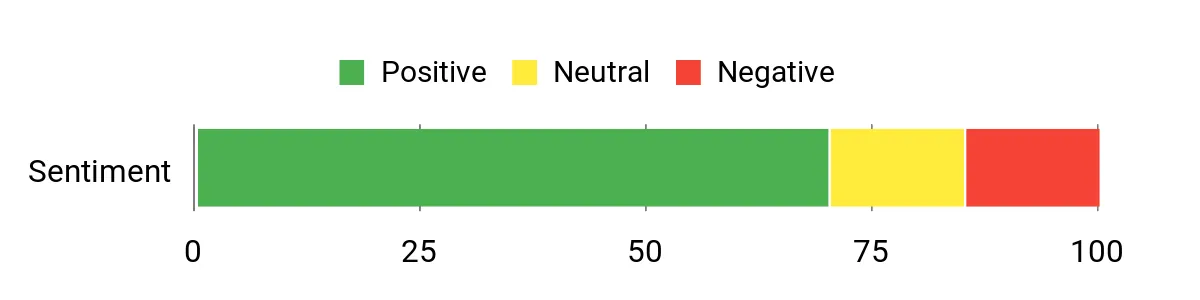
Users commonly praise the clear view and ergonomic balance, saying the large viewing area improves situational awareness and reduces eye strain. Many appreciate the external shade control and straightforward digital interface.
Complaints tend to focus on occasional assembly or fit issues and a lack of a hard-hat adapter, so check compatibility with your workflow.
Overall Sentiment: Positive
Situational Benefits
|
Situation |
How It Helps |
|---|---|
|
Production Welding |
The wide viewing area and quick switching keep you productive and reduce the need to lift the hood between passes. |
|
Fabrication Shop |
External shade tuning in 0.2 increments helps you dial in contrast for mixed processes and varied arc brightness. |
|
On-Site Work |
Lightweight, balanced design lowers neck fatigue during long shifts, though it does not support hard-hat adapters. |
Versatility
Performs well across welding processes and offers grind mode, so you can use it for welding, cutting and basic grinding tasks. Lack of a hard-hat adapter limits use for some field setups.
Safety Features
Fast ADF switching, 1/1/1/1 optical clarity rating, and compliance with ANSI Z87.1 and CSA Z94.3 help protect your eyes and meet shop safety requirements.
Durability
Build quality is generally solid for the price, though a minority of users report assembly or fit issues that suggest inspecting the headgear and components on arrival.
Comfort
Ergonomically balanced and lightweight, the helmet sits comfortably for extended periods and adapts well to bandanas or light head coverings, with minimal pressure points.
Problem Solving
If your main problems are limited visibility, frequent hood lifts, or slow shade response, this model addresses all three with a large window, rapid switching and precise shade control. For hard-hat users or those needing ultra-robust headgear, it may fall short.
Key Benefits
- Large viewing area for better peripheral vision
- Fine-grain external shade adjustment for visual precision
- Fast switching speed that reduces eye fatigue
- Meets ANSI and CSA safety standards
Rating: 4.1 (total: 55+)
Optrel Panoramaxx

You’ll notice the field of view first: Optrel designed this mask to bring the ADF closer to your eyes so you get a panoramic perspective that’s invaluable in tight or awkward weld positions. Autopilot automatic shade selection and a True-Color filter reduce the time you spend fiddling with settings, and the rechargeable solar cell plus lithium-polymer pack mean less maintenance between jobs.
It’s built for heavy construction and varied processes, so whether you’re tacking in confined spaces or running long structural welds, the Quattro keeps your sight lines clear and reduces fatigue. If you want uninterrupted visibility and a helmet tuned for demanding shop work, this is a strong pick—just check fit if you wear corrective glasses.
What People Say
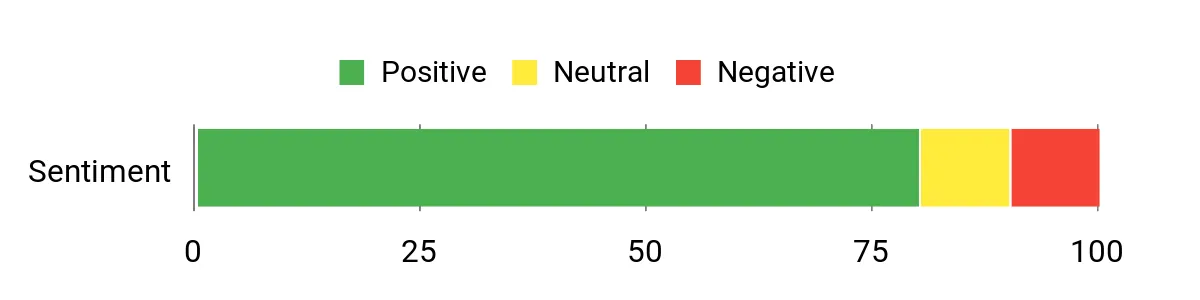
Users consistently praise the clarity and the expansive field of vision, saying the helmet makes work in constrained positions much easier and reduces the need to tilt or lift the hood. Many note the convenience of automatic shade selection and the close-in ADF, while a smaller group raises concerns about fit for glasses wearers and occasional long-term durability issues with internal parts or padding.
Overall Sentiment: Positive
Situational Benefits
|
Situation |
How It Helps |
|---|---|
|
Constrained Positions |
The wide viewport and closer ADF let you see welds without contorting your head, so lineups and starts are simpler in tight spots. |
|
Extended Structural Work |
Autopilot shade control and a stable viewing angle reduce eye strain and keep you productive over long shifts. |
|
Welders Who Wear Glasses |
The closer lens position can interfere with eyeglass fit, so you may need to try it on to confirm comfort and focus. |
Versatility
Designed for a wide range of arc processes including MIG, TIG, stick and plasma cutting, the Quattro adapts well to mixed-use shops and heavy construction; however, its close ADF may not suit regular eyeglass use.
Safety Features
True-Color filter with Autopilot automatic shade selection, excellent viewing-angle performance (EN 379 test mark 1) and standard ADF protections that help reduce glare and eye fatigue during continuous arc exposure.
Durability
Build and optics feel high-end, but some users report long-term issues like loosening padding or rare internal ADF failures. Inspect a new unit on arrival and consider warranty/repair options if you rely on heavy daily use.
Comfort
The nose cutout and closer filter placement improve sightlines while the helmet’s balance reduces forward weight. Many users find the headgear comfortable for long periods, though fit can vary with eyewear.
Problem Solving
If your main issue is limited visibility in awkward angles or frequent shade adjustments, this helmet solves both with its panoramic view and automatic shade control. It doesn’t solve eyeglass compatibility for everyone, so test fit if you wear corrective lenses.
Key Benefits
- Extra-large panorama view for better situational awareness
- Autopilot True-Color filter for consistent color rendering
- Excellent viewing-angle stability confirmed by EN 379 test mark 1
- Rechargeable energy pack with USB charging for low maintenance
Rating: 4.4 (total: 13+)
Miller Infinity Ops

You’ll notice the clarity immediately; the ClearLight 2.0 lens brightens the light state so you can keep the hood down and stay focused on the weld. The expansive 13.4 square-inch window gives a huge field of view that helps when you’re working in tight spaces or switching between processes.
Digital controls, AutoSense and memory presets make dialing in shade and sensitivity straightforward, and InfoTrack adds helpful arc-time and arc-count data if you want to monitor productivity. For everyday shop use where visibility, repeatable settings, and comfort matter, this model is an excellent, user-friendly choice.
What People Say
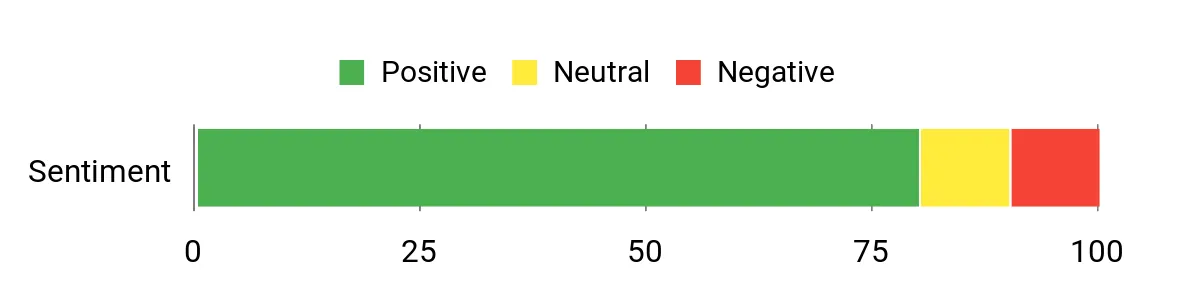
Users commonly praise the bright, clear viewing state and the roomy viewing area, saying it makes routine work and precise welds easier. Many appreciate the simple digital controls and the usefulness of InfoTrack for tracking work.
A few notes of concern mention headgear wear or an occasionally noisy clip, but those are relatively rare in the feedback.
Overall Sentiment: Positive
Situational Benefits
|
Situation |
How It Helps |
|---|---|
|
Precision TIG |
Bright light state and true color rendering reveal puddle details so you can control heat and filler with greater accuracy. |
|
High-Volume Production |
Memory presets and InfoTrack streamline repeated tasks and let you monitor arc time to optimize workflow. |
|
Mixed-Process Shops |
Four operating modes and easy shade adjustments let you switch quickly between MIG, stick, cutting and grinding. |
Versatility
Performs well across TIG, MIG, stick and cutting applications and supports grinding; X-Mode helps in bright or sensor-challenging environments.
Safety Features
Auto-darkening ADF with fast switching, multi-mode welding/grind settings, AutoSense for environment-adaptive sensitivity, and a solid optical clarity rating.
Durability
Build quality is generally good, though a minority of users report headgear cracking or noisy clips. Inspect the headgear on arrival and keep an eye on wear if you run heavy daily hours.
Comfort
Lightweight overall with flexible, supportive headgear, it sits comfortably for long sessions and minimizes pressure points so you can focus longer without distraction.
Problem Solving
If visibility, quick setup and consistent repeatable settings are problems for you, this helmet addresses them well with a bright viewing state, presets and easy controls; occasional hardware quirks are the main downside to watch for.
Key Benefits
- Outstanding light-state clarity and color optimization
- Very large viewing area for better situational awareness
- AutoSense and memory presets simplify setup
- InfoTrack provides productive arc-time and arc-count data
Rating: 4.5 (total: 6+)
Miller Elite

You’ll notice the clarity and straightforward controls right away. The ClearLight 2.0 lens gives a brighter light state so you can keep the hood down between welds, and the 9.2 square-inch window is large enough for precise work without feeling bulky.
Digital controls and half-shade steps make fine-tuning simple, while the Gen 3.5 headgear keeps the helmet stable and comfortable during long runs. Whether you’re on daily site tasks or detailed TIG work, this model balances visibility, comfort and reliable features in a user-friendly package.
What People Say
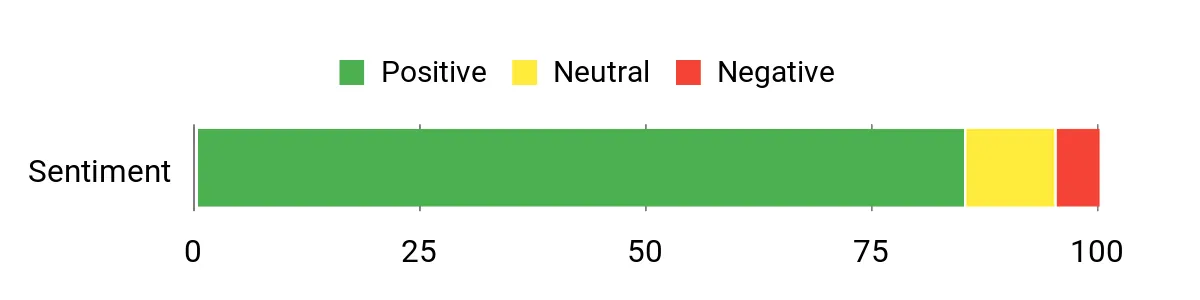
Most users highlight the helmet’s clear optics and comfortable fit, saying the view makes it easier to lay consistent beads and to work longer without neck strain. People like the intuitive digital controls and appreciate the flexible settings for different processes.
A minority mention a short adjustment period for the controls or small fit quirks, but overall feedback leans strongly positive.
Overall Sentiment: Positive
Situational Benefits
|
Situation |
How It Helps |
|---|---|
|
Precision TIG |
Bright light state and crisp optics reveal subtle puddle details so you can fine-tune heat and filler placement. |
|
Long Shifts |
Supportive Gen 3.5 headgear and balanced weight reduce pressure points and help prevent fatigue during extended jobs. |
|
Mixed-Process Work |
Multiple operating modes and half-shade adjustments let you switch rapidly between MIG, stick, cutting and grinding. |
Versatility
Handles TIG, MIG, stick and cutting tasks comfortably and includes a grind mode, making it a good all-round choice for shops that switch processes frequently.
Safety Features
Fast auto-darkening response with multi-sensor coverage, ClearLight optics for reduced eye strain, and selectable modes that include grinding protection.
Durability
Build quality is solid for everyday use, and many users report reliable performance over months of work. As with any helmet, inspect headgear and moving parts periodically to catch wear early.
Comfort
Lightweight design with cushioned, flexible headgear keeps pressure low and the helmet stable, so you can focus on the weld instead of shifting gear.
Problem Solving
If you struggle with visibility, frequent hood lifts, or juggling multiple settings, this helmet addresses those issues with a brighter light state, easy presets and straightforward controls; minor quirks around initial setup are the main trade-off.
Key Benefits
- Bright, clear viewing state for better visibility before and after arcs
- User-friendly digital controls with half-shade precision
- Comfortable Gen 3.5 headgear suited to long shifts
- Multiple modes and reliable sensor coverage for mixed tasks
Rating: 4.7 (total: 70+)
FAQ
How Do I Choose The Right Welding Helmet?
Focus on the features that affect your day-to-day work: optical clarity, viewing area, switching speed and reliable sensors. Match the helmet to the processes you use most often (TIG needs finer color and contrast, production MIG benefits from a large viewport and memory presets). Also check headgear comfort for long shifts, battery/charging options and safety certifications like ANSI or CSA to ensure it meets shop requirements.
Will The Helmet Work With Glasses?
Some helmets bring the ADF closer to your eyes and can interfere with corrective lenses, while others leave more interior space. You should try it on with your glasses or test fit before committing, and look for a helmet with a deeper interior or adjustable nose cutout if you wear glasses regularly. If a helmet feels tight, try different headgear adjustments or consult the manufacturer for accessory options.
How Do I Maintain And Troubleshoot My Helmet?
Inspect the helmet when it arrives for loose padding, damaged wiring or lens issues and keep a spare protective cover lens on hand to prevent scratches. Clean lenses with a soft cloth and manufacturer-recommended cleaner, avoid solvents on the electronics, and check sensor windows and battery contacts periodically.
If the ADF sticks or behaves erratically, try a reset and contact support for warranty or repair options rather than continuing to use a compromised unit.
Customer Preferences
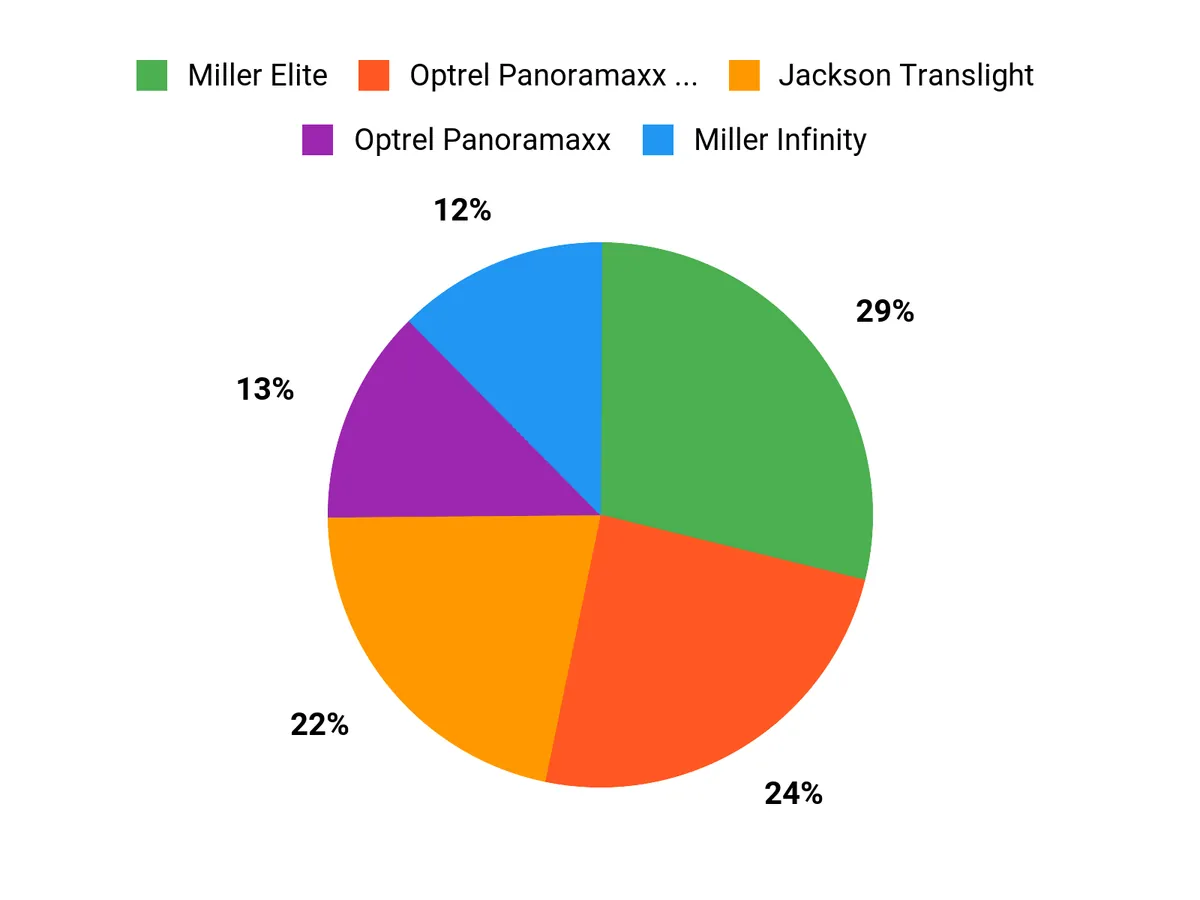
You usually put optical clarity and color accuracy at the top of your list, since that directly affects fine TIG work and bead control, which is why the Optrel CLT appeals to precision welders. After clarity you compare viewing area, sensor reliability and workflow features like memory or data tracking for productivity—areas where the Miller Infinity stands out—and you weigh practical shop concerns such as external shade control, certifications and basic durability when the Jackson Translight is on the table.
Balance those performance priorities with headgear comfort and long-term reliability to pick the helmet that fits how you actually work.
Wrapping Up
Choose the helmet that fits the priority you care about most. If precise color rendering and high-contrast arc view matter for fine TIG work, the Optrel Panoramaxx CLT is designed to give you near-window clarity; if uninterrupted visibility and a huge viewport are your needs for awkward positions, the Panoramaxx Quattro stands out.
For a blend of clarity, workflow features and data tracking choose a Miller Infinity model, while the Miller Elite delivers exceptional comfort and durability for long shifts. If you want solid performance with strong certification at a friendly price, the Jackson Translight is the practical pick.
Match the features above to how you weld and you will get better results and less fatigue on every job.
| Product Name | Image | Rating | Viewing Area (sq. in.) | Weight (lbs) | Special Highlights |
|---|---|---|---|---|---|
| Optrel Panoramaxx CLT Crystal Welding Helmet 1010.200 |
|
3.8/5 (109 reviews) | N/A | 1.21 lbs (550 g) |
|
| Miller 289714 Digital Infinity Welding Helmet |
|
4.2/5 (14 reviews) | 13.4 sq. in. | 0.75 lbs (12 oz) |
|
| Jackson Safety TRANSLIGHT 555 + Auto Darkening Helmet |
|
4.1/5 (55 reviews) | 12.47 sq. in. | 1.4 lbs |
|
| Optrel 1010.100 Panoramaxx Quattro Welding Helmet |
|
4.4/5 (13 reviews) | 6 times larger than standard helmets | 10 lbs |
|
| Miller 289715 Digital Infinity Welding Helmet (Black Ops) |
|
4.5/5 (6 reviews) | 13.4 sq. in. | 0.75 lbs (12 oz) |
|
| Miller 289755 Digital Elite Auto Darkening Welding Helmet |
|
4.7/5 (70 reviews) | 9.2 sq. in. | 0.75 lbs (12 oz) |
|
This Roundup is reader-supported. When you click through links we may earn a referral commission on qualifying purchases.