
Choosing a stick welder gets harder when old listings, different input voltages, and inflated specs blur the real differences. For current stick welders, the YESWELDER ARC-205DS PRO is the strongest verified all-around pick here because it combines 205A output on 220V with Stick and Lift TIG capability.
For lower-cost repair and hobby work, the DEKOPRO 160A MMA Welder is the value pick. We checked exact listings, manufacturer specifications where available, safety records, and independent owner discussions; no hands-on testing is claimed.
Stick Welders Compared
| Product | Best for | Input voltage | Max output | Score |
|---|---|---|---|---|
| Rugged field work if already owned | 120/230V | 180A | 95/100 | |
| Home and farm stick work if already owned | 120/240V | 160A | 92/100 | |
|
Budget
|
Budget repairs and hobby welding | 110/220V | 160A | 78/100 |
|
Mid-range
|
Portable power and Lift TIG flexibility | 110/220V | 205A | 88/100 |
Stick Welders: Our Top Picks
1. ESAB Rogue ES 180i
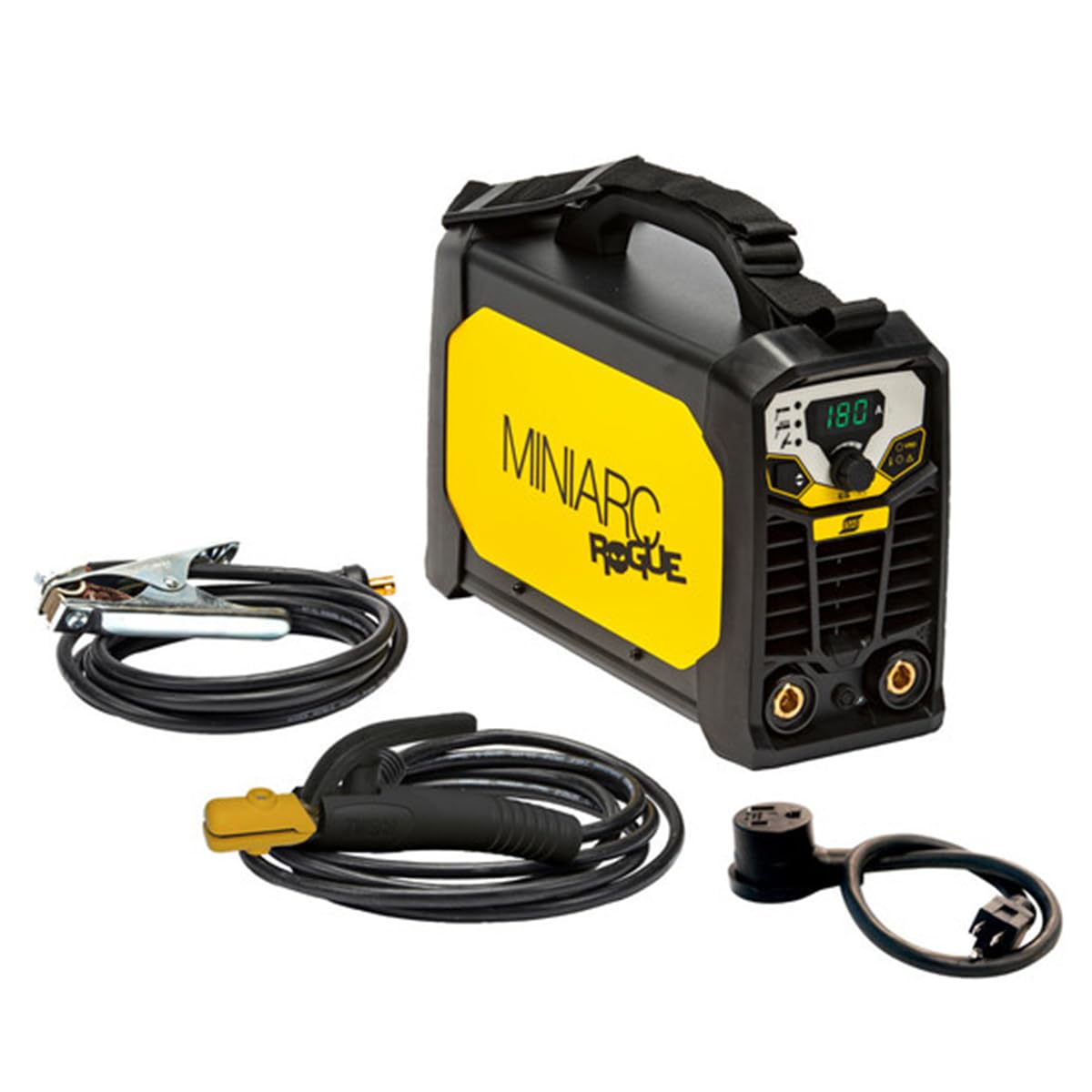
Bottom line: The ESAB Rogue ES 180i remains a capable dual-voltage Stick and DC Lift TIG inverter, but this exact model is discontinued. Keep it in consideration only if you already own it or are evaluating existing equipment, not as a current recommendation.
- Input voltage: 120/230V, useful across common jobsite power sources
- Max output: 180A on 230V, with lower output on 120V
- Processes: Stick and DC Lift TIG, two repair-focused processes
- Protection: IP23S enclosure, better field protection than IP21S units
Adjustable Hot Start and Arc Force let you tune starts and short-arc behavior for different electrodes. The 180i also uses automatic input selection, so you do not have to flip a manual voltage switch when moving between supported power sources.
The original article overstated what IP23S means outdoors. It improves enclosure protection, but it does not make the power source rainproof. The ES 180i manual also places clear limits on output when the machine is run from lower-voltage input.
Sentiment Snapshot
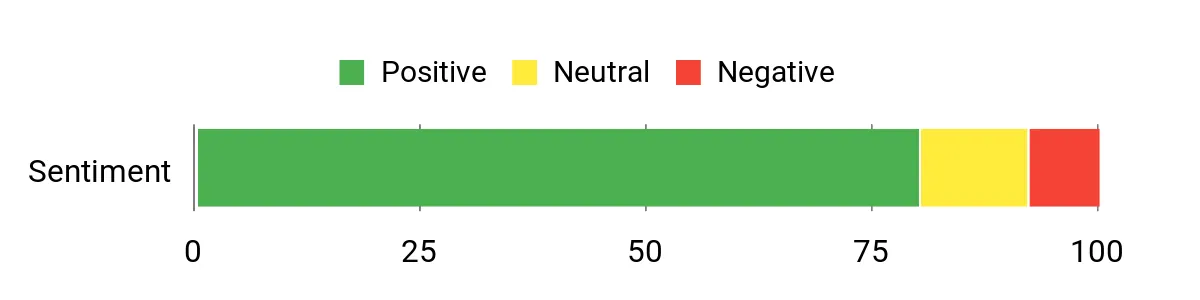
- Adjustable Hot Start and Arc Force
- 120/230V automatic input selection
- 180A maximum output on 230V
- Stick plus DC Lift TIG capability
- This exact model is discontinued
- Available Stick output is lower on 120V
- DC Lift TIG is not a substitute for AC TIG on aluminum
Check this ESAB Rogue ES 180i listing on Amazon for current listing status.
2. Hobart Stickmate 160i

Bottom line: The Hobart Stickmate 160i is a simple 120/240V DC stick welder with precise current adjustment, but the linked Amazon page is currently unavailable. It remains useful context for existing owners, not a current buy recommendation.
- Input voltage: 120/240V, with MVP plug adapters
- Max output: 80A on 120V and 160A on 240V
- Processes: DC Stick, focused on common repair electrodes
- Protection: IP21S, designed for indoor use
The important detail is that the 160A figure applies on 240V. Hobart rates the 120V current range at 20–80A, so a standard household circuit gives you less electrode and thickness headroom than the headline number suggests.
On 240V, the manufacturer rates the machine at 160A with a 30% duty cycle. At 120V, the rated load is 65A at a 20% duty cycle. That makes input power a central part of deciding whether this machine fits the work you already do.
Sentiment Snapshot
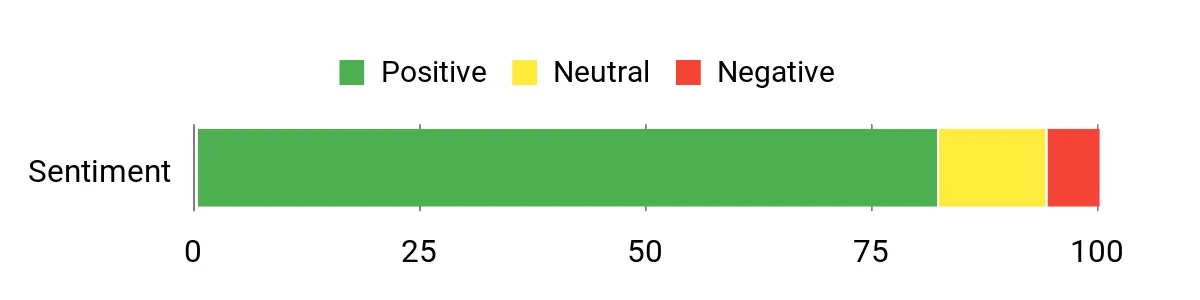
- 120/240V MVP input system
- 20–160A adjustment range on 240V
- Compact 15 lb power source
- Hot Start supports easier electrode ignition
- Linked Amazon page is currently unavailable
- 120V output tops out at 80A
- IP21S rating is for indoor use
Check this Hobart Stickmate 160i listing on Amazon for current listing status.
3. DEKOPRO 160A MMA Welder

Bottom line: The DEKOPRO 160A MMA Welder is the value choice for basic repairs, practice, and light fabrication. Its main advantage is simple dual-voltage stick welding without the extra cost or complexity of a multi-process machine.
- Input voltage: 110/220V, flexible for garage and shop power
- Max output: 160A, suited to light and medium stick work
- Processes: MMA/Stick, focused on electrode welding
- Protection: IP21S, do not use it in rain
The linked listing specifies a 10–160A current range, digital display, IGBT inverter design, and dual-voltage input. Hot-start assistance helps reduce sticking during arc initiation, while the small case makes it easier to carry between occasional jobs.
The trade-off is straightforward: this is a budget-oriented MMA machine rather than a premium field welder. The listing also specifies IP21S protection, so it belongs in dry working conditions and should not be treated like a weather-ready power source.
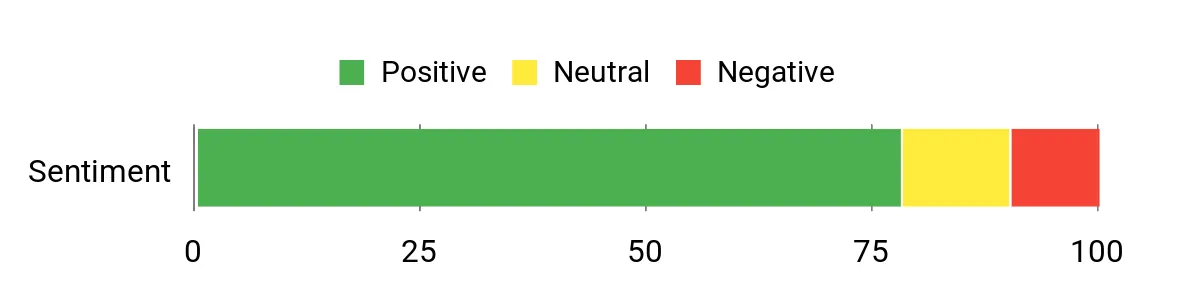
Sentiment Snapshot
- 110/220V dual-voltage input
- 10–160A listed current range
- Digital display for quick setting checks
- Compact inverter format
- IP21S protection is not for rain
- MMA/Stick-focused design offers less process flexibility
4. YESWELDER ARC-205DS PRO

Bottom line: The YESWELDER ARC-205DS PRO is the most capable current pick in this group. It reaches 205A on 220V, adds Lift TIG, and keeps adjustable Hot Start and Arc Force in a compact inverter package.
- Input voltage: 110/220V, useful for home and shop power
- Max output: 145A on 110V and 205A on 220V
- Processes: Stick and Lift TIG, broader than stick-only machines
- Protection: Built-in thermal and electrical protection systems
YESWELDER rates the ARC-205DS PRO at 20–145A for Stick on 110V and 20–205A on 220V. That wider 220V range gives you more headroom for demanding electrodes, while 110V keeps the machine useful for lighter work when 220V is not available.
The manufacturer lists a 60% duty cycle at 205A on 220V and adjustable Hot Start and Arc Force. Lift TIG broadens what the machine can do, but you should confirm the exact torch and accessory package before buying because Amazon lists separate package variants.
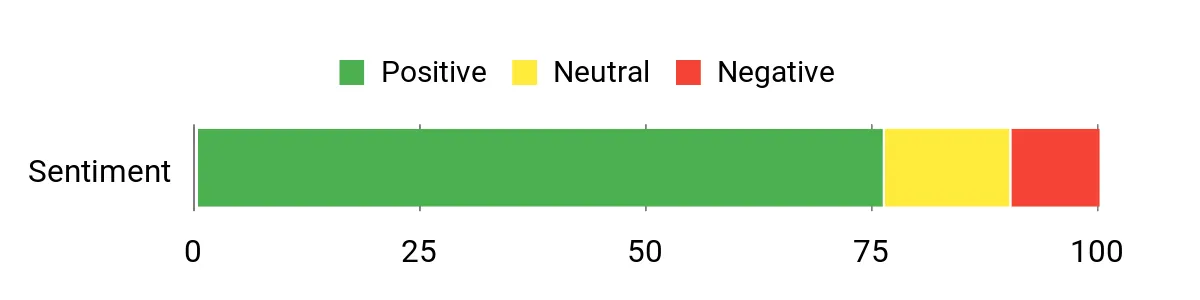
Sentiment Snapshot
- 205A maximum Stick output on 220V
- 110/220V dual-voltage input
- Adjustable Hot Start and Arc Force
- Stick and Lift TIG capability
- Compact portable design
- 110V Stick output is limited to 145A
- 205A output carries a 60% duty-cycle limit
YESWELDER ARC-205DS PRO vs DEKOPRO 160A MMA: Is the Upgrade Worth It?
The core trade-off is output and process flexibility. The YESWELDER gives you more 220V Stick output and Lift TIG, while the DEKOPRO keeps the setup simpler for lower-cost MMA work.
- Maximum output: YESWELDER reaches 205A on 220V; DEKOPRO lists 160A maximum.
- Processes: YESWELDER supports Stick and Lift TIG; DEKOPRO is MMA/Stick-focused.
- Controls: YESWELDER adds adjustable Hot Start and Arc Force; DEKOPRO emphasizes simple digital current control.
- Use case: Choose extra headroom for broader projects, or save with simpler stick-only capability.
Which Stick Welder Should You Buy?
- More 220V output: get the YESWELDER ARC-205DS PRO.
- Budget stick welding: get the DEKOPRO 160A MMA Welder.
- Lift TIG option: get the YESWELDER ARC-205DS PRO and verify the exact torch package.
- Simple MMA repairs: get the DEKOPRO 160A MMA Welder.
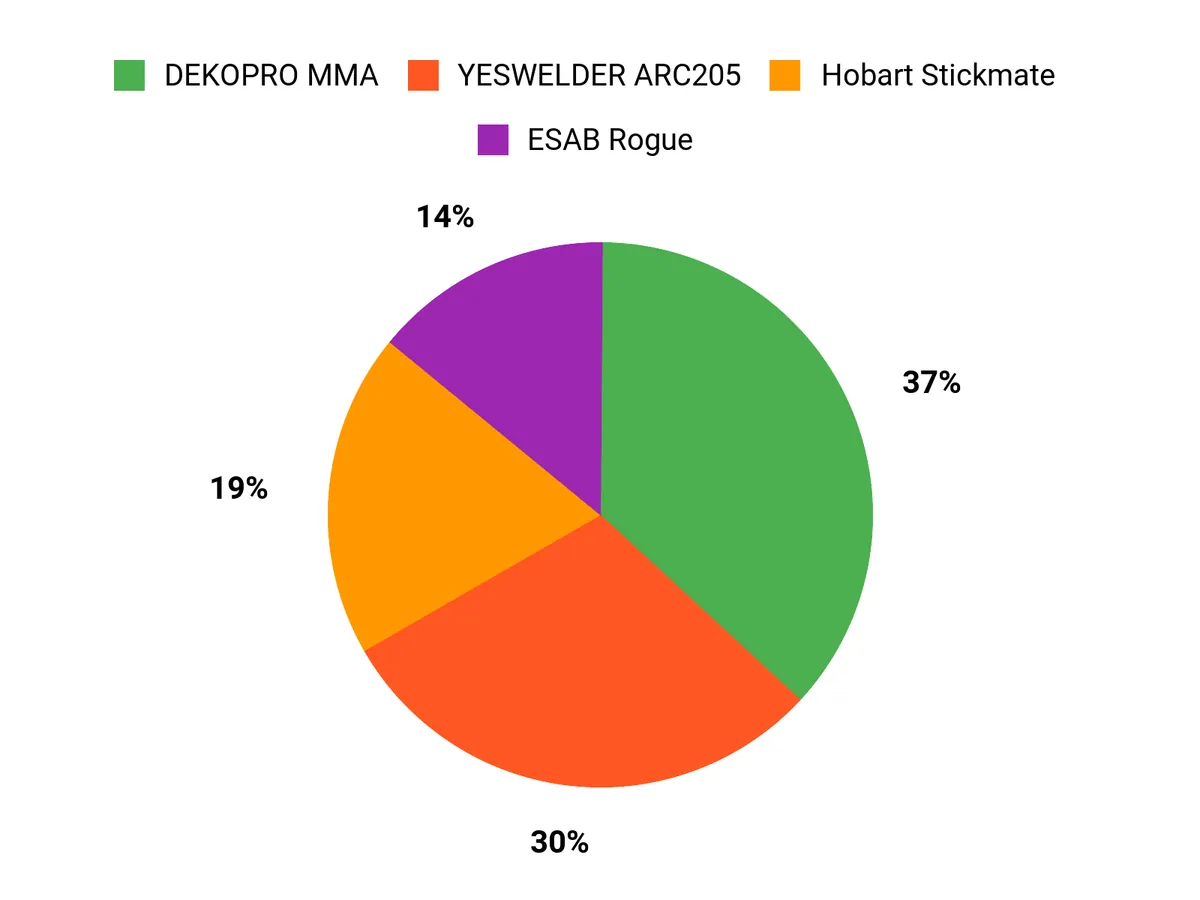
Customer Preferences
The useful split in this shortlist is capability versus simplicity. Higher-output, multi-process flexibility points toward the YESWELDER, while straightforward dual-voltage MMA work points toward the DEKOPRO. The original customer-preference chart is retained below under the article’s image-preservation rule.
How We Chose
- Exact listing match: we checked each linked model and whether the listing still represents that product.
- Arc controls: Hot Start, Arc Force, current range, and process support matter for easier starts and control.
- Input flexibility: 120/110V versus 230/240/220V output changes what the machine can realistically deliver.
- Duty cycle and protection: rated run time and enclosure class affect where and how long you can work.
- Sources: manufacturer specifications and manuals came first, followed by exact Amazon listings, safety-record searches, and independent owner discussions. We did not claim hands-on testing.
Stick Welder Buying Guide
Input Voltage: Household Power vs 220–240V
Dual-voltage does not mean identical performance on both inputs. The Hobart Stickmate 160i, for example, is limited to 80A on 120V but reaches 160A on 240V. The YESWELDER ARC-205DS PRO similarly reaches 145A on 110V and 205A on 220V. Check the output table for the voltage you will actually use.
Amperage And Electrode Size
Choose amperage around the electrodes and steel thickness you use most, not the biggest number on the box. Larger rods usually need more current and often benefit from higher-voltage input. Follow the electrode maker’s current range and the welder manual rather than assuming every 160A or 200A machine performs the same on household power.
Duty Cycle
Duty cycle tells you how much of a 10-minute period the welder can operate at a stated output before it needs cooling. It changes with amperage and input voltage. A high maximum amperage is less useful for long welds if the rated duty cycle at that output is short, so compare both figures together.
Hot Start And Arc Force
Hot Start briefly helps ignition, while Arc Force changes short-arc behavior to reduce sticking and keep the arc responsive. Adjustable controls are useful when you switch between electrodes or positions. The YESWELDER and ESAB include both controls; the DEKOPRO focuses on simpler hot-start-assisted operation.
Portability And Environmental Protection
Weight matters, but enclosure rating matters too. IP21S machines such as the Hobart and DEKOPRO are intended for dry, protected use. An IP23S machine offers greater enclosure protection, but it is still not permission to weld in rain. Keep the power source dry and follow the manual.
Stick Plus Lift TIG
Lift TIG can make a stick welder more versatile for clean DC TIG work, but it does not automatically turn the machine into a full TIG system. Check whether the torch, gas hardware, and other accessories are included. If aluminum TIG is your priority, look for a machine designed for AC TIG.
Mistakes to Avoid When Buying a Stick Welder
- Reading only maximum amps: check the current range at your actual input voltage.
- Ignoring duty cycle: compare rated output and run time together.
- Assuming dual-voltage means equal power: lower-voltage input often reduces maximum output.
- Using undersized extension cords: follow the manual and circuit requirements for cable gauge and length.
- Treating an IP rating as waterproofing: keep welding equipment protected from rain and standing water.
FAQs
Which stick welder should you choose?
The best choice depends on your available power and the work you do most. Among the currently verified picks here, the YESWELDER ARC-205DS PRO offers the most output and process flexibility, while the DEKOPRO 160A MMA Welder keeps things simpler for budget stick work. Match input voltage, electrode needs, and duty cycle before choosing.
Can you use a stick welder on household power?
Yes, many dual-voltage inverter stick welders can run from a standard household circuit, but maximum output is usually lower than on 220–240V. Use the circuit size, plug, and extension-cord gauge required by the manual. If the breaker trips or voltage sags, do not solve it with unsafe wiring or oversized breakers.
How do you get reliable arc starts and fewer stuck electrodes?
Start with clean metal, a solid work clamp, the correct polarity, and an amperage range that matches the electrode. Hot Start can make ignition easier, while Arc Force can help keep a short arc from sticking. Dry electrodes and tight cable connections also matter. Change one setting at a time so you can see what improves the arc.
Is 120V or 240V better for stick welding?
240V generally gives a dual-voltage welder more available output and more headroom for larger electrodes. For example, the Hobart Stickmate 160i reaches 80A on 120V and 160A on 240V. Household power is still useful for lighter work. The right choice depends on your circuit, rod size, material, and required duty cycle.
Can a stick welder also do TIG welding?
Some can. The YESWELDER ARC-205DS PRO and ESAB Rogue ES 180i support Lift TIG, while a stick-only machine such as the Hobart Stickmate 160i does not become a TIG system by adding a different electrode. Check the exact process specification and included accessories. Lift TIG is usually DC, so it is not the same as an AC TIG setup.
What duty cycle do you need in a stick welder?
Choose duty cycle based on how long you weld near your normal amperage. Duty cycle is measured over a 10-minute period at a stated output, so a 60% rating means six minutes of welding under those rated conditions before the specified cooling time. Short repairs need less continuous capacity than long fabrication runs.
Final Verdict: Best Stick Welder
For the current verified options in this roundup, the YESWELDER ARC-205DS PRO offers the strongest mix of output, dual-voltage flexibility, adjustable arc controls, and Lift TIG support. The DEKOPRO remains the simpler value choice for routine MMA repairs.
For a lower-cost stick-focused option, see the DEKOPRO 160A MMA Welder. The former premium ESAB pick is not included in the verdict because that exact model is discontinued.
| Product Name | Image | Rating | Max Amperage | Input Voltage | Weight | Warranty |
|---|---|---|---|---|---|---|
| ESAB 0700500070 MINIARC Rogue ES 180i Stick Welding System |
|
4.6/5 (97 reviews) | 180 A | 120V/230V (auto-detect) | 18.2 lbs | 3 years |
| Hobart 500570 Stickmate 160i |
|
4.6/5 (282 reviews) | 160 A | 120V/240V (MVP adapters) | 15 lbs | 5/3/1 Industrial Use |
| DEKOPRO 110/220V MMA Welder, 160A ARC Welder |
|
4.6/5 (6,130 reviews) | 160 A | 110V/220V | 11.11 lbs | N/A |
| YESWELDER 205Amp Stick Welder Digital Inverter |
|
4.5/5 (2,294 reviews) | 205 A | 110V/220V | 8.8 lbs | N/A |



[…] fumes and smoke, requiring effective ventilation and safety controls. Additionally, understanding input voltage flexibility can enhance the usability and adaptability of flux welding in different […]
[…] output, stick welding offers a disciplined, accessible process. Additionally, it benefits from flexibility in input voltage, which enhances its usability across various […]