

Choosing the right beginner welder shapes how quickly you learn, how safe you stay, and what projects you can tackle. You want a machine that balances ease of use, reliability, and the right set of processes for your projects so you can build skill without frustration.
This guide narrows 2026’s best MIG, TIG, and stick-capable machines for newcomers so you can match a tool to your garage, budget, and learning goals.
Top Picks
|
Category |
Product |
Score |
|---|---|---|
|
🔰 Best Portable Flux-Core |
88/100 |
|
|
💰 Best Value Multimode |
92/100 |
|
|
🚀 Most Feature-Rich Combo |
86/100 |
Selection Criteria
You need straightforward measures to compare welders quickly. We prioritized ease of use because beginners benefit most from intuitive controls and clear setup.
Versatility and supported processes matter next since a machine that covers MIG, stick, or spool-gun TIG options lets you learn different techniques without buying new gear. Portability and power balance were weighed so you can work on small projects or light fabrication without oversized equipment.
Durability, accessories, customer support, and warranty were also considered to reduce downtime and unexpected costs. Finally, price-to-value was measured to recommend options that get you welding sooner and smarter.
Lincoln Weld-PAK
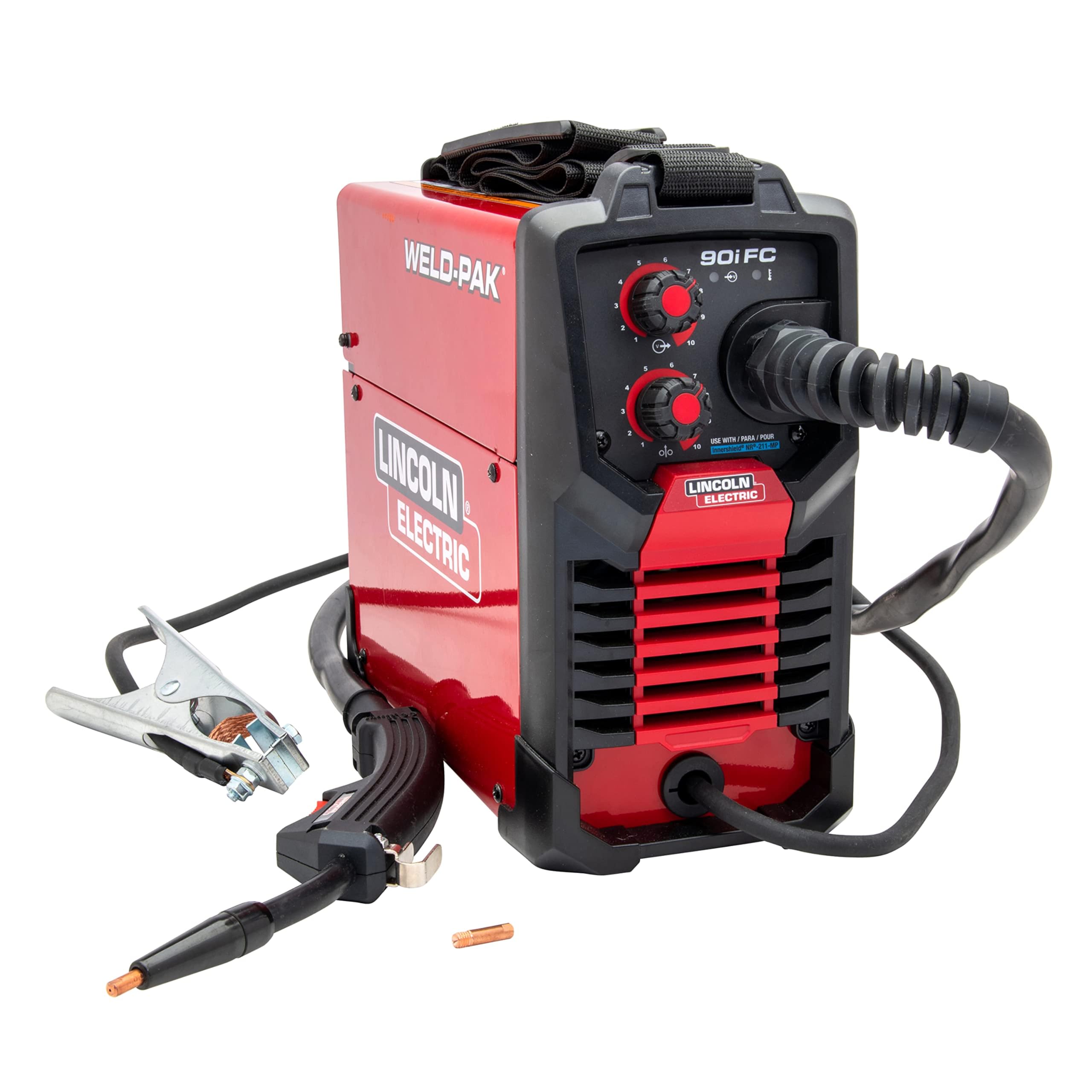
This is the kind of welder you reach for when you need something reliable, simple, and easy to move. You’ll appreciate that it runs on standard 120V, so you can use it in a home garage or on a job site without special power, and the strap and metal case make transport painless.
It’s aimed at sheet-metal work, repairs, and small fabrication—if you work on tables, car panels, or light structural pieces this machine covers the basics well. Setup is straightforward, the controls are forgiving, and it includes the common accessories so you can start welding quickly.
If you want a compact, dependable flux-core unit to learn on and to handle most light jobs, this is a solid, no-fuss choice.
What People Say
Customers consistently praise how portable and lightweight this welder is, and many highlight how easy it is to set up and use right away. People also point out that it performs surprisingly well on thin materials and small shop projects, and that the included accessories make getting started painless.
Overall Sentiment: Positive

|
Pros |
Cons |
|---|---|
|
✅ Very portable at about 15 pounds and includes a shoulder strap and protective case |
❌ Designed primarily for flux-core welding, not multi-process gas MIG or TIG |
|
✅ Runs on standard 120V so you can use household outlets |
❌ Lower maximum power than larger, dual-voltage commercial units |
|
✅ User-friendly controls and useful accessories included |
❌ Not intended for heavy industrial continuous-duty work |
Long-Term Cost Benefits
Because it uses common flux-core wire and runs on standard household power, you’ll keep operating costs low and avoid the need to rent larger equipment for small jobs. Its portability means less time and cost hauling parts to a shop and more time getting work done at the site.
Return on Investment
You’ll often recoup the cost quickly through reduced shop fees and faster repairs. For hobbyists and light fabricators, the time saved setting up and the ability to tackle small projects yourself makes this an efficient buy for learning and occasional professional use.
Situational Benefits
|
Situation |
How It Helps |
|---|---|
|
Garage Auto Body Work |
Handles thin sheet metal and panel repairs without the complexity of larger welders, so you can fix rust spots and patch panels at home. |
|
On-Site Repairs |
Lightweight design and shoulder strap let you carry it between job sites and get a weld done without hauling heavy gear. |
|
Weekend Fabrication |
Quick setup and included accessories mean you spend more time welding and less time prepping, ideal for builds and small projects. |
Ease Of Use
|
Feature |
Ease Level |
|---|---|
|
Setup |
Easy |
|
Controls |
Easy |
|
Portability |
Very Easy |
|
Maintenance |
Moderate |
Versatility
This model focuses on flux-core welding, which makes it excellent for outdoor work and situations where shielding gas is inconvenient. It covers most light fabrication tasks but won’t replace a multimode machine if you plan to TIG weld or require gas-shielded MIG for cleaner, finer work.
Durability
Built by a reputable brand with a protective metal case and simple internals, it holds up well to job-site use. Expect a solid lifespan for hobby and light professional use, and the 12-month warranty gives added protection against early issues.
Problem Solving Ability
This welder solves common beginner problems by offering predictable arc control on thin metals and reducing setup hassles. Its portability removes the barrier of needing a dedicated shop space, and the included accessories mean fewer trips to buy extras before you can start welding.
Expertise Level
Best for beginners and hobbyists who want a dependable, easy-to-use machine. It also suits pros who need a lightweight backup for site work, but it isn’t aimed at heavy industrial users.
Key Benefits
- Ultra-portable and light for easy transport
- Simple controls and quick setup for beginners
- Solid performance on thin gauge steel and sheet metal
Rating: 4.6 (total: 567+)
YESWELDER 205A
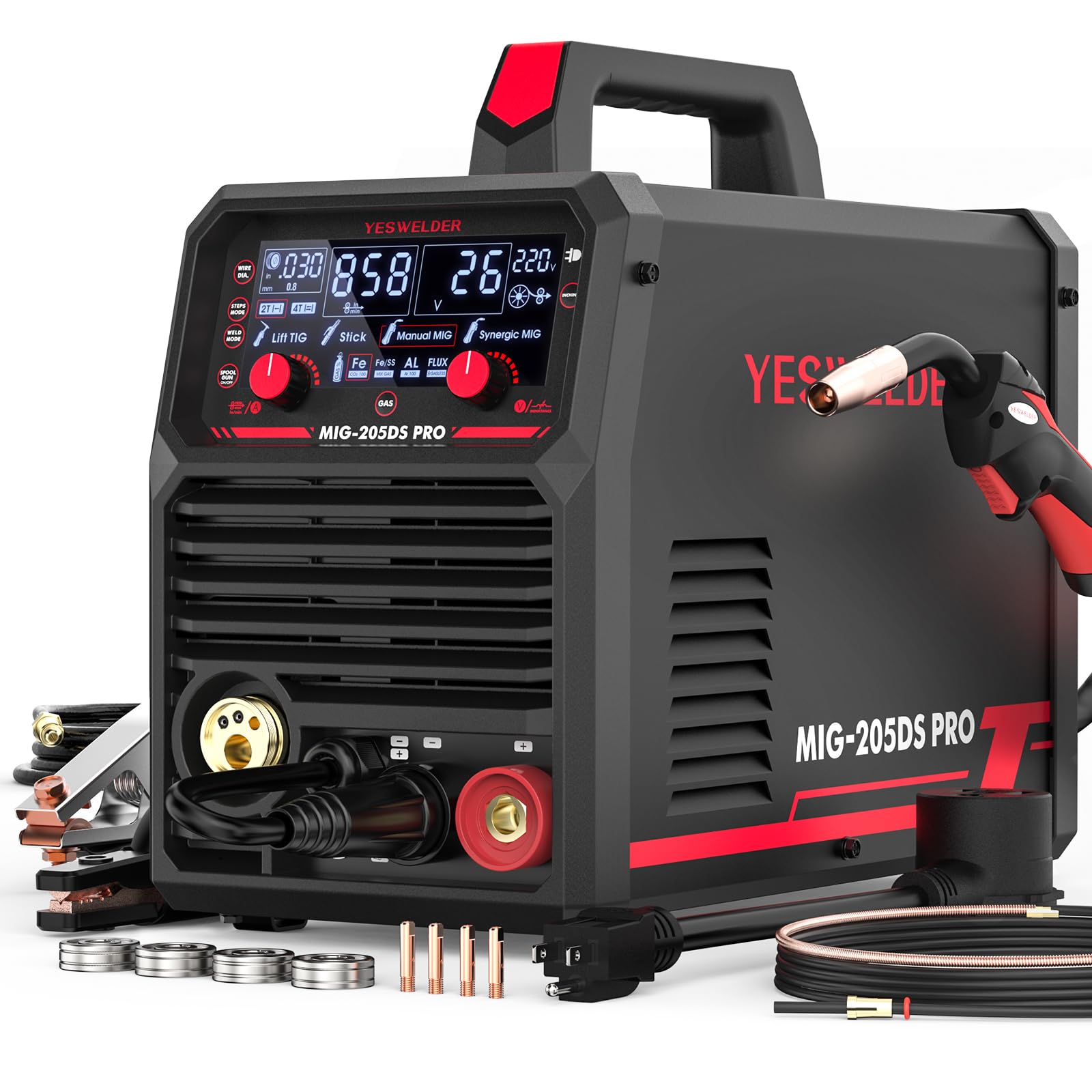
You get a versatile machine that covers most of the processes you’ll want while learning: MIG, flux-core, stick, and lift TIG, plus spool-gun readiness for aluminum. The dual 110/220V capability means you can run it in a garage or a proper shop, and the control layout is approachable enough that setup doesn’t eat up your weekend.
It’s heavier than a pocketable unit but still portable enough to move when needed, and the build quality feels like it will handle frequent use. If you want one machine to grow your skills and handle varied projects, this is a practical, flexible choice.
What People Say
Buyers often highlight how useful the multimode capability is for learning and tackling different projects, and many appreciate the dual-voltage freedom for garage or shop. Common praise centers on how the machine balances capability and accessibility, while recurring gripes mention a sparse manual, confusing arc or voltage settings for some materials, and minor ergonomic details like a missing gun hook.
Overall Sentiment: Positive

|
Pros |
Cons |
|---|---|
|
✅ Very versatile—multiple welding processes in one unit |
❌ Requires time to learn optimal settings across processes |
|
✅ Works on both 110 V and 220 V circuits for broad use |
❌ Instruction manual can be unhelpful for troubleshooting |
|
✅ Spool-gun compatibility makes aluminum welding accessible |
❌ Not designed for continuous heavy industrial duty |
|
✅ Controls include helpful preset or synergic options |
Long-Term Cost Benefits
Owning one multimode machine saves you from buying separate specialty welders as your skills expand, and the ability to run on household or shop power prevents extra electrical work. Reduced need to rent or outsource different weld types lowers operating costs over time.
Return On Investment
Because it replaces multiple single-process tools for many hobbyists and small shops, you’ll often recover the investment through time saved and the extra jobs you can complete yourself. Its flexibility delays the need for upgrades as your skills progress.
Situational Benefits
|
Situation |
How It Helps |
|---|---|
|
Garage Projects |
Dual-voltage operation and preset modes let you switch between light bodywork and small structural tasks without specialized equipment. |
|
Weekend Fabrication |
Multimode capability means you can try MIG, stick, or TIG techniques on the same frame or fixture as your project evolves. |
|
Small Shop Work |
Spool-gun readiness and adjustable power let you take on aluminum and mild steel jobs without renting additional machines. |
Ease Of Use
|
Feature |
Ease Level |
|---|---|
|
Setup |
Moderate |
|
Controls |
Easy |
|
Mode Switching |
Moderate |
|
Portability |
Moderate |
Versatility
This unit is built for variety: you can practice MIG and flux-core for general fabrication, use stick for thicker or outdoor tasks, and dip into lift TIG for cleaner welds. It’s a great learning platform, though a dedicated TIG machine will still outperform it for delicate precision TIG work.
Durability
The YESWELDER 205A has a robust chassis and components suitable for regular workshop use. It handles frequent sessions well but is not intended for nonstop industrial shifts; watch thermal duty cycles on long runs to avoid overheating.
Problem Solving Ability
If you need a single, adaptable tool to explore different welding techniques, this machine solves that by consolidating processes and reducing equipment clutter. It also removes common barriers like specialized power requirements or separate aluminum setups.
Expertise Level
Best for beginners through intermediate users who want to learn multiple processes and take on a wide range of shop and hobby projects.
Key Benefits
- Covers MIG, flux-core, stick, and lift TIG in one unit
- Dual 110/220V for flexible workshop or garage use
- Spool-gun ready for aluminum without buying a separate machine
- User-friendly controls with synergic modes for quicker setup
Rating: 4.6 (total: 1307+)
YESWELDER MP200
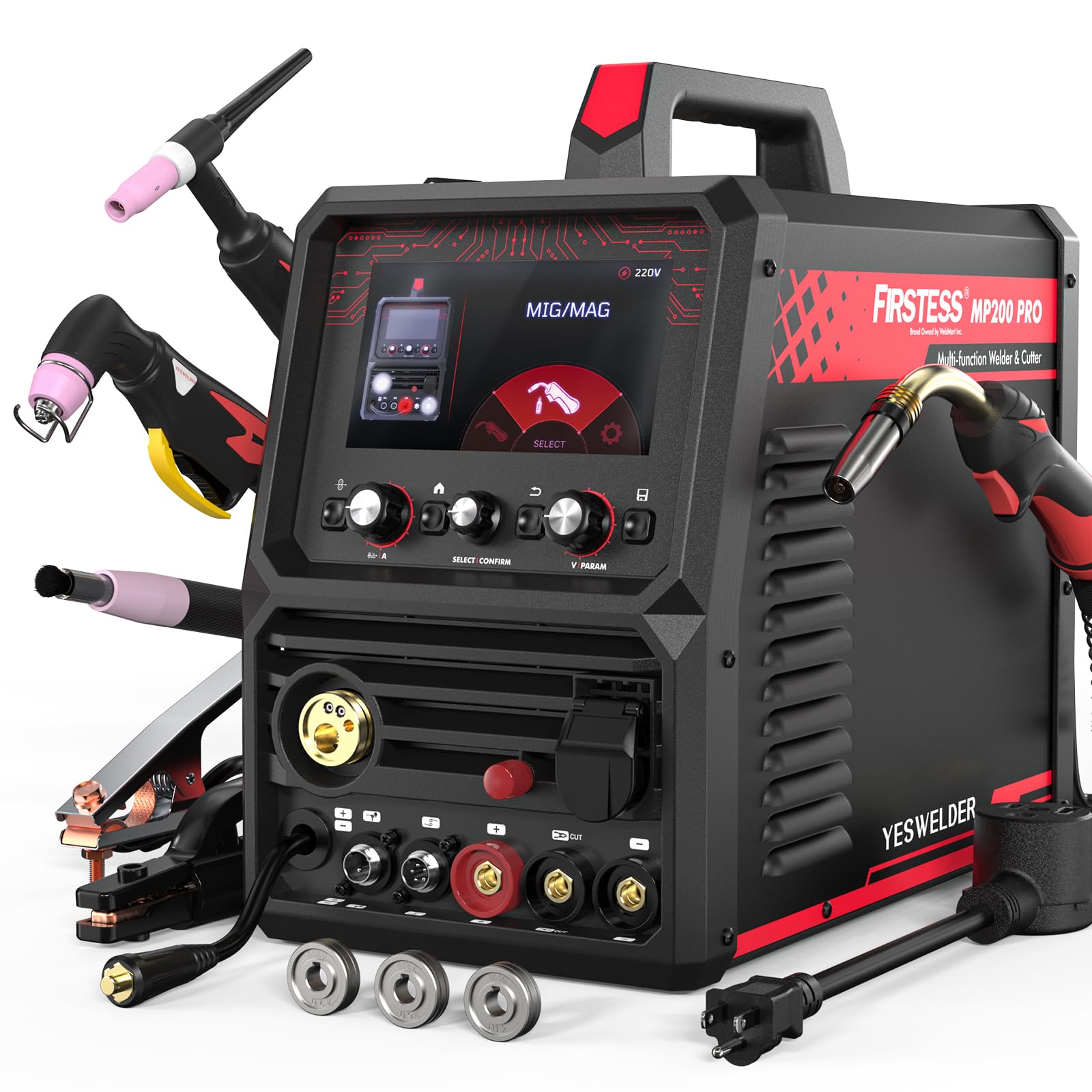
This is a big-step-up unit if you want one machine that does nearly everything. You get MIG, stick, lift TIG modes plus a plasma cutter and presets that make switching tasks faster. The dual-voltage support means you can use it in a home garage or a busier shop, and the on-screen menu helps you pick reasonable starting points so you spend less time guessing settings. For everyday repairs, metal art, and the occasional cutting job, it keeps your bench uncluttered and your workflow smooth.
If you want a feature-rich all-in-one for learning and frequent mixed tasks, this is worth considering, though you should be mindful of duty cycles on long runs.
What People Say
Users commonly praise the MP200’s versatility and the convenience of having a plasma cutter built in, and many find the menu and presets very helpful for occasional users. A number of buyers note good performance for hobby and small-shop work, while a few mention heating under long continuous use and suggest watching duty cycles.
Overall Sentiment: Positive

|
Pros |
Cons |
|---|---|
|
✅ Very versatile array of processes in a single machine |
❌ Heats up on prolonged heavy use; not ideal for nonstop industrial shifts |
|
✅ Preset menu simplifies getting started for varied tasks |
❌ Some users find the factory manual and documentation thin |
|
✅ Dual-voltage support expands where you can work |
❌ Air connector placement and ergonomics may require adaptation |
|
✅ Includes plasma cutting for clean, fast metal separation |
Long-Term Cost Benefits
By consolidating welding modes and adding a plasma cutter, you avoid buying separate specialty machines and reduce rental needs. That lowers long-term tooling costs and keeps your workspace simpler as your projects evolve.
Return On Investment
You recoup investment through the range of jobs you can perform without outsourcing cutting or buying extra gear, especially if you regularly switch between welding types and occasional cutting work.
Situational Benefits
|
Situation |
How It Helps |
|---|---|
|
Home Garage Builds |
Dual-voltage and presets let you tackle fabrication, repairs, and cutting without separate machines or complex setup changes. |
|
Small Shop Production |
Consolidated capabilities reduce bench clutter and let you switch tasks quickly between welding and cutting on short runs. |
|
Hobby Fabrication |
Integrated plasma cutter and welding modes let you experiment with metal art and functional projects using a single, flexible tool. |
Ease Of Use
|
Feature |
Ease Level |
|---|---|
|
Menu/Presets |
Easy |
|
Mode Switching |
Moderate |
|
Setup |
Moderate |
|
Mobility |
Moderate |
Versatility
This unit is one of the most flexible options you’ll find, covering welding and cutting tasks that suit beginners and advancing hobbyists alike. It handles a wide range of materials and processes, though specialist TIG purists or high-duty industrial shops will still prefer dedicated equipment for precision or nonstop use.
Durability
The chassis and components are built for regular shop use and the included warranty is reassuring, but you should respect duty cycle limits and provide proper cooling during long sessions to avoid thermal stress.
Problem Solving Ability
It solves the common beginner problem of juggling multiple machines by combining functions into one package, making it easier for you to learn different processes without a large equipment footprint and fewer setup headaches.
Expertise Level
Best suited for beginners through intermediate users who want to learn multiple processes and need plasma cutting capability; also useful as a versatile shop backup for pros.
Key Benefits
- Combines multiple welding processes and a plasma cutter in one unit
- Dual 120V/240V operation for garage or shop flexibility
- Digital presets and easy menu reduce setup time
- 2-year warranty adds peace of mind
Rating: 4.7 (total: 10+)
FAQ
Which Welding Process Should I Learn First?
Start with a process that gets you comfortable with the arc and bead control. For most beginners that means MIG or flux-core, because they are forgiving, relatively easy to set up, and let you make usable welds quickly on thin sheet and mild steel.
TIG produces the cleanest, most precise welds but has a steeper learning curve and requires more setup, while stick welding is useful for thicker or dirty materials and outdoor work. Pick one process to master fundamentals, then expand to others as your confidence grows.
What Power And Features Should I Look For?
Choose a machine that matches where you plan to work and what you’ll weld most often. If you’ll use household outlets and focus on light fabrication, a 120V unit is convenient; if you want more capability for thicker metal or a small shop, dual-voltage (120/240V) gives flexibility.
Look for clear controls, spool-gun compatibility if you intend to weld aluminum, and pay attention to the rated amperage and duty cycle so the machine can handle the jobs you plan without overheating.
How Do I Stay Safe And Improve Quickly?
Prioritize proper PPE, good ventilation, and a solid ground and clamps to avoid electrical or fume hazards. Practice on scrap to dial in wire speed, voltage, and travel angle before you touch a project, and inspect consumables like contact tips and liners regularly to keep arc consistency. Learning to read your puddle and adjusting technique slowly will improve results faster than jumping between machines or trying complex joints too soon.
Customer Preferences
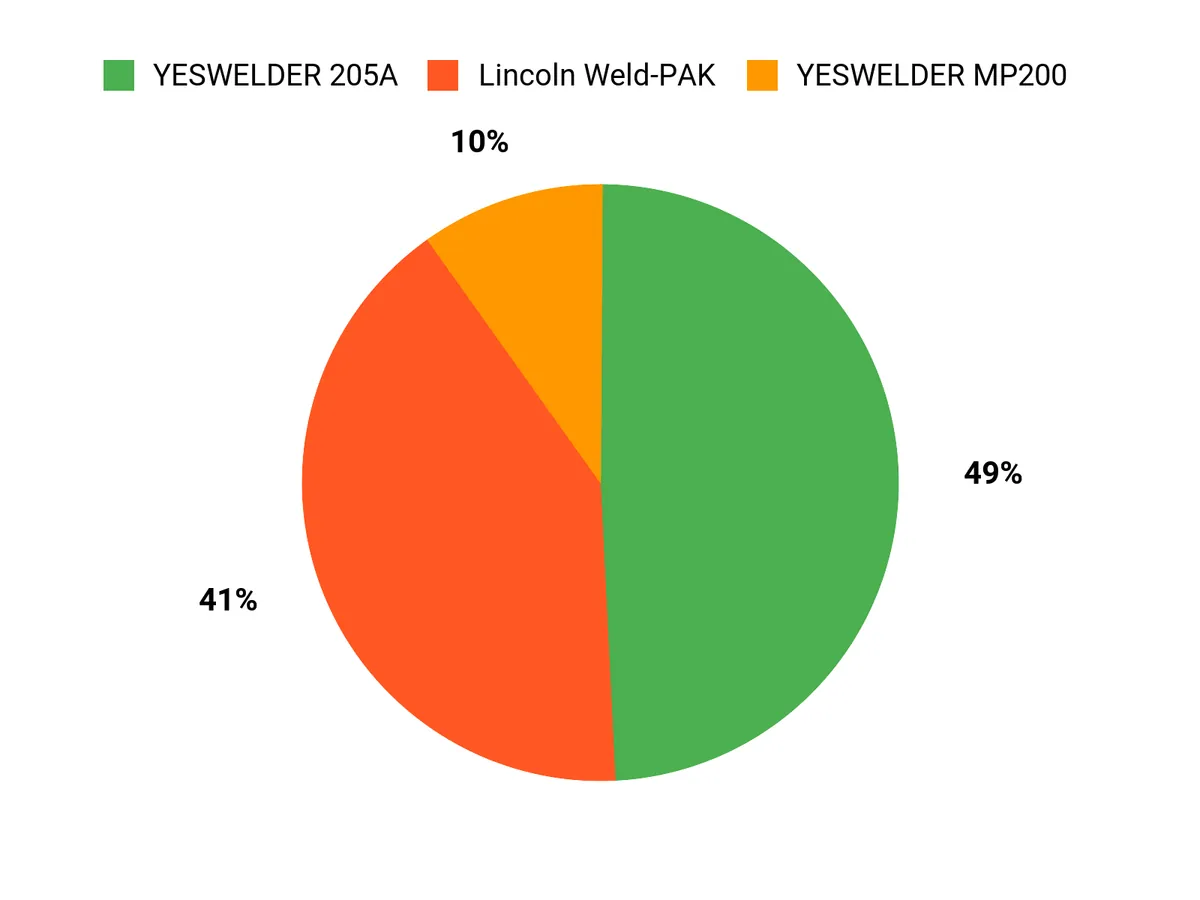
You typically decide based on whether portability and straightforward setup matter more than process range and shop-level features. If you need something light and work-ready for sheet metal, you lean toward the Lincoln; if you want one machine to learn MIG, stick and spool-gun TIG with dual-voltage flexibility, the YESWELDER 205A is the common choice; and if you want an all-in-one tool with plasma cutting and digital presets for varied shop tasks, the MP200 is what people pick while accepting heavier weight and watchful duty cycles.
Wrapping Up
If you need a light, easy-to-carry welder for sheet metal and small repairs, the Lincoln Weld-PAK gives you reliable flux-core performance and simple setup so you can practice weld technique without wrestling heavy gear. If you want the best balance of process flexibility and price for learning MIG, stick, and spool-gun TIG, the YESWELDER 205A delivers multimode capability and good power for its cost.
If your priority is an all-in-one shop machine with plasma cutting and a wide feature set and you are willing to invest more, the YESWELDER MP200 provides the most functionality for varied projects. Match the machine to the work you expect to do, focus on mastering one process at a time, and prioritize proper safety gear and ventilation to get the most from your new welder.
| Lincoln Electric 90i FC Flux Core Wire Feed Weld-PAK Welder | YESWELDER 205A MIG Welder | YESWELDER 12-in-1 Welder & Plasma Cutter Combo | |
|---|---|---|---|
|
|
|
|
|
| Rating | 4.6/5 (567 reviews) | 4.6/5 (1,307 reviews) | 4.7/5 (10 reviews) |
| Weight | 15 pounds | 35.9 pounds | 59.9 pounds |
| Power Source | Corded Electric | 110V/220V AC | 110V/240V AC |
| Special Highlights |
|
|
|
| Shop Now | Shop Now | Shop Now |
This Roundup is reader-supported. When you click through links we may earn a referral commission on qualifying purchases.


[…] to contribute immediately and move toward stable, dignified work. Additionally, demonstrating versatility in welding techniques can make a candidate more appealing, as it indicates adaptability and a willingness to […]