

Good welding gloves have to solve two competing problems: shield your hands from heat, spatter and rough metal while still giving you enough control to work safely. Our best overall pick is Black Stallion GM1611 for its MIG-focused top-grain palm and reinforced wear zones. For a more budget-minded choice with longer coverage, Lincoln Electric K2979-ALL is the best value.
We compared construction, cuff coverage, heat-focused features, dexterity and durability, then checked the linked models so the recommendations match the products readers actually reach.
Welding Gloves Comparison
| Product | Best for | Price tier | Key specs | Score | Amazon |
|---|---|---|---|---|---|
| Black Stallion GM1611 | MIG dexterity | Mid-range | Top-grain cowhide palm; Split-cowhide back | 91/100 | Check Price on Amazon |
| Lincoln Electric K2979-ALL | MIG/stick coverage | Budget | Split cowhide; 14-inch length | 86/100 | Check Price on Amazon |
| RAPICCA 16-Inch 932°F Fireplace Gloves | Fireplace and hot-work tasks | Budget | Fire-resistant leather exterior; 16-inch coverage | 88/100 | Check Price on Amazon |
| Lincoln Electric K2980-M | Premium MIG/stick use | Premium | Grain leather with split-cowhide sections; Padded palm and dual-lined wear zones | 94/100 | Check Price on Amazon |
| Miller 263339 Heavy-Duty MIG/Stick Gloves | Heavy-duty shop welding | Premium | Premium pig-grain leather; Double-layer insulation | 92/100 | Check Price on Amazon |
| YESWELDER AP-1166 | Forge, MIG and hot-work | Budget | Leather exterior with cotton lining; 16-inch coverage | 84/100 | Check Price on Amazon |
| WZQH 16-Inch 932°F Welding Gloves | Welding, fireplace and grilling | Budget | Leather construction; 16-inch coverage | 87/100 | Check Price on Amazon |
Welding Gloves: Our Top Picks
Best for welders who want a MIG-focused glove with a more tactile palm and targeted reinforcement instead of an extra-thick gauntlet.
A practical choice when you want more wrist and lower-forearm coverage for MIG, stick and fabrication work without prioritizing fine fingertip feel.
A stronger fit for regular MIG or stick work when you want a lighter premium glove with padded wear areas and verified Kevlar-thread seam construction.
1. Black Stallion GM1611
Best Overall

Bottom line: Best for welders who want a MIG-focused glove with a more tactile palm and targeted reinforcement instead of an extra-thick gauntlet.
- Material: Top-grain cowhide palm
- Coverage / construction: Split-cowhide back
- Standout feature: Reinforced palm, thumb and index
The GM1611 uses a top-grain cowhide palm with a split-cowhide back, so it is oriented toward MIG work where hand control matters. Reinforcement over the palm, thumb and index finger protects common wear zones without turning the whole glove into a thick heat gauntlet.
Kevlar stitching and the DragPatch/RestPatch details add durability where the glove rubs on work surfaces. That balance makes it useful for fabrication and routine MIG sessions, but welders who regularly work close to intense radiant heat may prefer a longer, more heavily insulated glove.
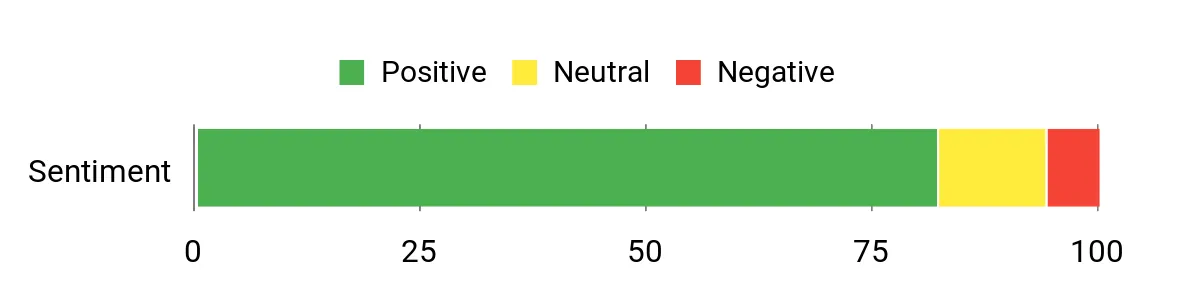
Pros
- Top-grain palm supports better torch feel
- Reinforced high-wear areas add abrasion resistance
- Kevlar stitching strengthens the seams
- DragPatch and RestPatch add protection at contact points
Cons
- Shorter coverage than 14- or 16-inch gloves
- Not the first choice for sustained high-heat handling
2. Lincoln Electric K2979-ALL
Best Value

Bottom line: A practical choice when you want more wrist and lower-forearm coverage for MIG, stick and fabrication work without prioritizing fine fingertip feel.
- Material: Split cowhide
- Coverage / construction: 14-inch length
- Standout feature: Cotton lining and Kevlar stitching
Lincoln’s K2979-ALL follows the traditional MIG/stick formula: split cowhide, a cotton lining and a 14-inch gauntlet-style length. The extra coverage is useful when sparks and spatter are more important concerns than fingertip sensitivity.
It is a straightforward shop glove for stick welding, heavier MIG work and general fabrication. The trade-off is predictable: the construction is more substantial than a dexterity-first MIG glove, so it is not the best choice for small TIG filler rod or other precision tasks.
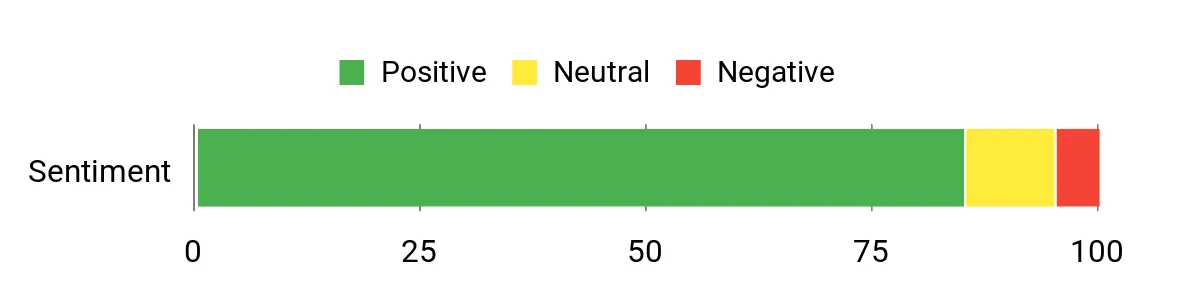
Pros
- 14-inch design gives extended coverage
- Split cowhide handles abrasion well
- Cotton lining adds comfort and insulation
- Kevlar stitching reinforces the seams
Cons
- Bulkier than a dexterity-first MIG glove
- Not intended for delicate TIG filler-rod control
3. RAPICCA 16-Inch 932°F Fireplace Gloves
Best for Open-Flame Heat

Bottom line: Best when open flames, grills, hot logs and occasional welding are more important than the fingertip sensitivity of a dedicated MIG glove.
- Material: Fire-resistant leather exterior
- Coverage / construction: 16-inch coverage
- Standout feature: Listed heat resistance up to 932°F
RAPICCA’s 16-inch glove is built around thermal coverage rather than a dedicated welding-only fit. The linked listing describes a fire-resistant leather outer layer, insulating layers and a heat-resistant cotton liner, with a listed short-contact heat limit up to 932°F.
That makes it especially relevant for fireplaces, grills, pizza ovens and occasional welding or forge work. A high temperature number does not make any glove safe for prolonged contact with hot steel; use tongs, pliers or other handling tools whenever heat exposure is sustained.
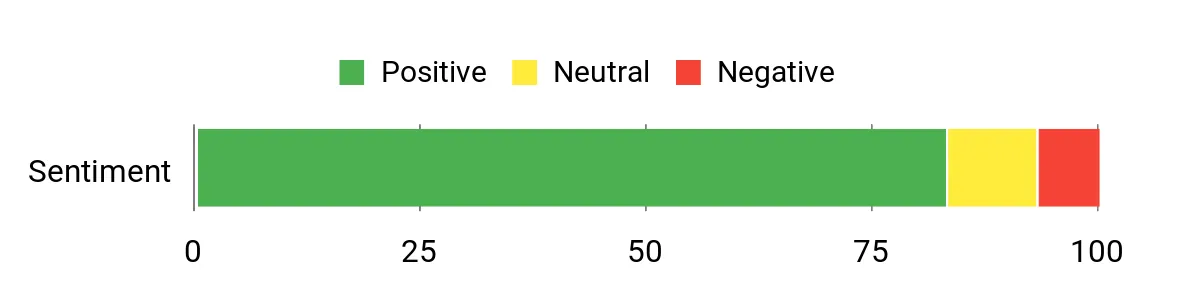
Pros
- Long 16-inch cuff protects more of the forearm
- Layered construction is aimed at high-heat tasks
- Useful across fireplace, grilling and occasional welding work
- Leather exterior adds abrasion protection
Cons
- Bulkier for precision torch or filler work
- The listed heat limit is not permission for prolonged contact with hot metal
4. Lincoln Electric K2980-M
Premium Pick

Bottom line: A stronger fit for regular MIG or stick work when you want a lighter premium glove with padded wear areas and verified Kevlar-thread seam construction.
- Material: Grain leather with split-cowhide sections
- Coverage / construction: Padded palm and dual-lined wear zones
- Standout feature: Heat-resistant Kevlar thread
The K2980-M is Lincoln’s premium leather MIG/stick glove in the linked Medium size. Its construction combines grain leather with split-cowhide sections, a padded palm and dual lining in high-wear zones to improve comfort and service life.
Lincoln’s product literature specifies heat-resistant Kevlar thread for the seam construction. The glove is a good fit for regular shop use when you want more hand control than a basic heavy split-cowhide gauntlet but still need protection for MIG and stick work.
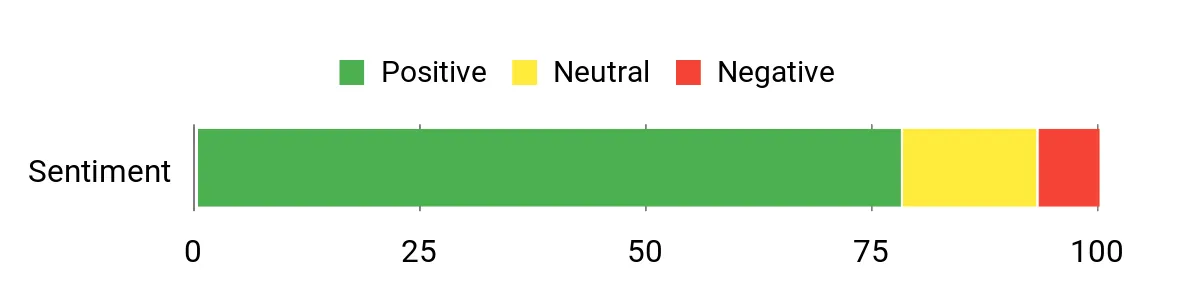
Pros
- Grain leather supports better hand control
- Padded palm helps during longer sessions
- Dual lining reinforces high-wear areas
- Kevlar thread improves seam heat resistance
Cons
- Costs more than basic split-cowhide gloves
- Linked variant is a specific size, so fit must be checked carefully
5. Miller 263339 Heavy-Duty MIG/Stick Gloves
Best for Heavy MIG/Stick
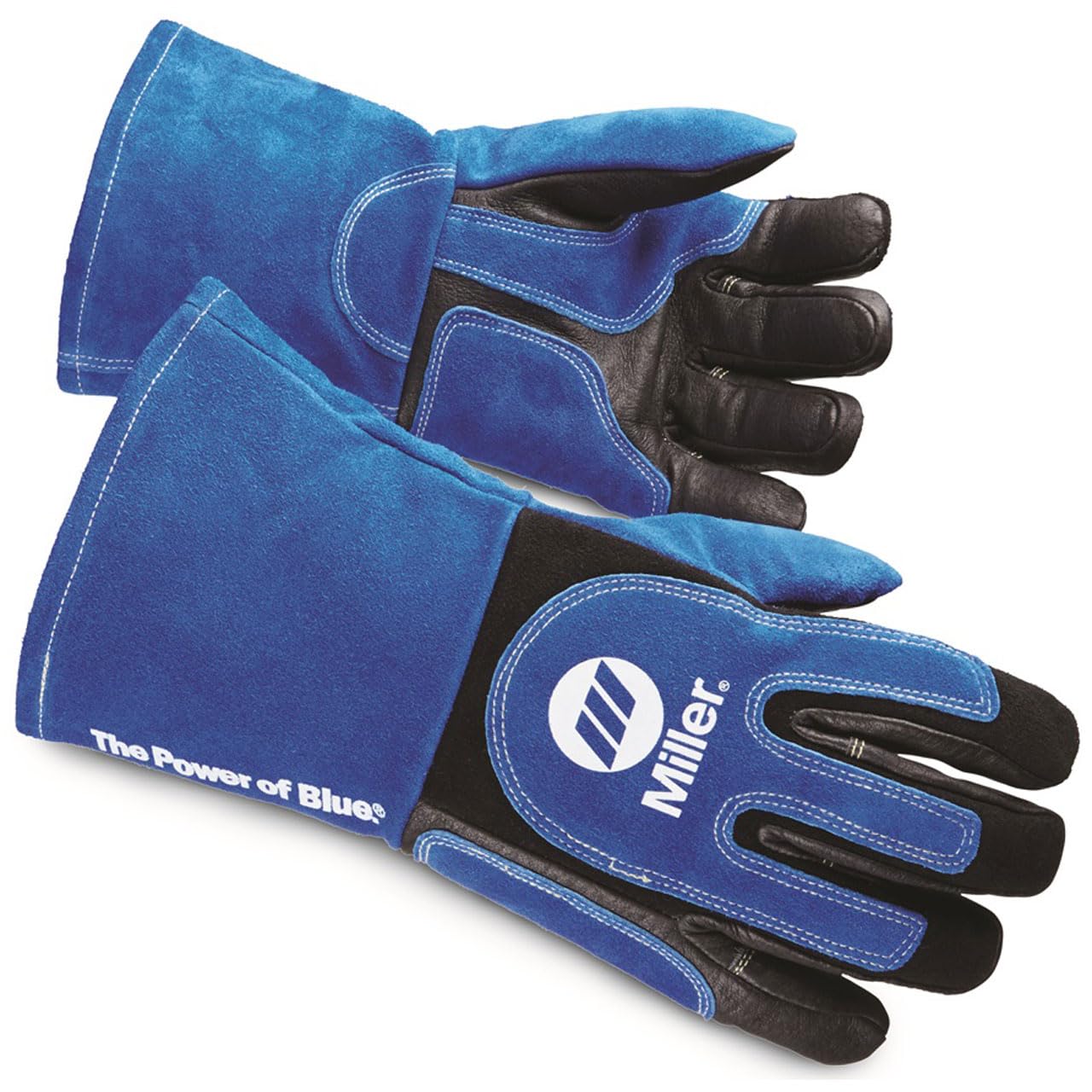
Bottom line: A heavy-duty shop option for welders who value insulation, abrasion resistance and reinforced contact areas more than a thin, highly sensitive glove.
- Material: Premium pig-grain leather
- Coverage / construction: Double-layer insulation
- Standout feature: Reinforced palm and back patches
Miller’s linked 263339 is the Performance-series heavy-duty MIG/stick glove. Miller’s specification material identifies premium pig-grain leather, double-layer insulation and strategically reinforced areas on the palm and back.
Those verified features make it a protection-first choice for routine shop welding and material handling. The source copy mixed in pre-curved-finger and thumb details associated with a different Miller glove line, so those claims are not carried forward here. Choose this model when insulation and reinforcement matter more than fine TIG-style feel.
Pros
- Pig-grain leather provides a durable working surface
- Double-layer insulation improves heat protection
- Reinforcement targets high-wear palm and back areas
- Purpose-built for MIG and stick welding
Cons
- Heavier construction reduces fine fingertip sensitivity
- Less suitable for precision TIG work
6. YESWELDER AP-1166
Best Budget Heat Protection

Bottom line: A lower-cost long-cuff option for forge, MIG and general hot-work when thermal coverage matters more than a close-fitting precision feel.
- Material: Leather exterior with cotton lining
- Coverage / construction: 16-inch coverage
- Standout feature: Listed heat resistance up to 932°F
YESWELDER’s AP-1166 is a 16-inch leather glove with a cotton lining, reinforced palm and thumb areas and Kevlar stitching. The manufacturer lists heat and fire resistance up to 932°F, positioning it for forge work, MIG welding and other hot-work chores.
Its long cuff protects more of the lower forearm than a short MIG glove, but that coverage and insulation also add bulk. It is best viewed as a budget heat-protection glove that can weld, rather than a precision glove for delicate torch and filler control.
Pros
- 16-inch length covers the wrist and lower forearm
- Palm and thumb pads reinforce common wear points
- Kevlar stitching supports seam durability
- Manufacturer lists heat resistance up to 932°F
Cons
- Long insulated construction is bulky for fine work
- Fit should be checked carefully before buying
7. WZQH 16-Inch 932°F Welding Gloves
Most Versatile Hot-Work

Bottom line: A broad-use leather gauntlet for welding, fireplaces and grilling when you want long coverage and general heat protection in one pair.
- Material: Leather construction
- Coverage / construction: 16-inch coverage
- Standout feature: Listed heat resistance up to 932°F
The WZQH linked model is a 16-inch leather hot-work glove marketed for welding, fireplace and grilling use, with a listed heat-resistance claim up to 932°F. Its long cuff is useful for keeping sparks, embers and hot debris away from the wrist and lower forearm.
Because this is a broad-use heat glove, it favors coverage over fingertip sensitivity. It suits occasional welding, fire management and general hot handling better than work that demands a very thin, close-fitting glove. As with every heat-rated glove here, use tools for extended contact with hot metal.
Pros
- 16-inch length protects the wrist and lower forearm
- Leather construction handles rough hot-work tasks
- Listing positions the glove for welding and open-flame uses
- Long cuff helps block sparks and embers
Cons
- Bulkier than a MIG-dexterity glove
- Fine fingertip tasks are not its strength
Best Overall vs Best Value
Black Stallion GM1611 is the better fit when MIG dexterity and targeted reinforcement are the priorities. Its top-grain palm is less cumbersome than a traditional long gauntlet, and the added wear patches focus protection where the hand contacts the work.
Lincoln Electric K2979-ALL makes more sense when you want a simpler, longer glove for MIG, stick and general fabrication. Its 14-inch construction and lining trade some fine control for broader coverage.
- Choose Black Stallion GM1611 for routine MIG work, torch control and a less bulky palm.
- Choose Lincoln K2979-ALL for longer coverage, heavier spatter and mixed MIG/stick shop work.
Which Welding Gloves Should You Buy?
- For MIG dexterity: Black Stallion GM1611 keeps the focus on palm feel and reinforced wear zones.
- For budget MIG/stick coverage: Lincoln K2979-ALL gives you a lined 14-inch split-cowhide design.
- For premium regular shop use: Lincoln K2980-M adds grain leather, palm padding and reinforced high-wear areas.
- For heavier MIG/stick protection: Miller 263339 emphasizes pig-grain leather, insulation and reinforced contact areas.
- For forge, fireplace and high-heat chores: RAPICCA, YESWELDER and WZQH provide 16-inch coverage and listed high-heat capability, with more bulk than a dexterity-first glove.
How We Chose These Welding Gloves
- Process fit: We separated dexterity-first MIG gloves from heavier MIG/stick and general hot-work gloves.
- Construction: We prioritized verified leather type, lining, reinforcement and seam details instead of generic heat claims.
- Coverage: Cuff length matters because a short MIG glove and a 16-inch heat glove solve different problems.
- Heat use: Published temperature claims were treated as short-contact guidance, not permission for prolonged handling of hot metal.
- Durability: Reinforced palms, thumbs, high-wear zones and heat-resistant thread were considered where the linked model documents them.
Welding Glove Buying Guide
Match the Glove to the Welding Process
MIG usually benefits from a smoother palm and enough finger movement to control the gun and workpiece. Stick welding produces more spatter and often favors thicker insulation and a longer cuff. TIG work generally calls for a thinner, more tactile glove than most of the heavy-duty options in this roundup.
Choose the Right Leather
Top-grain leather tends to give a smoother, more flexible feel, while split leather is commonly used where abrasion resistance and value matter. Pig-grain leather can combine durability with useful flexibility. Construction matters as much as the animal hide: reinforcement, lining and seam placement can change how the glove performs.
Check Cuff Length and Forearm Coverage
A shorter cuff can feel less restrictive at a bench, but a 14- or 16-inch glove covers more of the wrist and lower forearm. Longer is not automatically better; choose enough coverage for your spatter, sparks and open-flame exposure without giving up more mobility than your work requires.
Do Not Overread Temperature Ratings
A listed heat limit is not a safe holding temperature for unlimited time. Heat transfer depends on contact duration, material thickness, moisture, wear and the temperature of the object. Even with a high-heat glove, use tongs, pliers or other tools for sustained contact with hot metal.
Common Buying Mistakes
Avoid buying only by a high temperature number, assuming every model from one brand has the same features, or choosing a loose size for comfort. Also avoid using a thick MIG/stick glove for precision TIG simply because it offers more insulation. Fit, process and exposure should drive the decision.
Welding Glove Care and Safety
Brush away cooled spatter and dry leather gloves naturally after use. Avoid high-heat drying, which can harden leather and damage stitching. If the manufacturer allows conditioning, use it sparingly so the leather stays flexible without becoming slick. Inspect palms, fingertips, seams and cuffs before each session and replace gloves once holes, deep cracking or failed seams expose the hand.
Gloves are only one part of welding PPE. Keep sleeves, helmet, eye protection and other protective clothing matched to the process, and never use gloves as a substitute for tools when moving material that stays hot.
FAQ
How do I choose between MIG and stick welding gloves?
Choose MIG gloves when you need more palm feel and finger movement for gun control and positioning. Choose thicker, longer stick gloves when spatter, sparks and heat exposure are greater. Reinforced palms and heat-resistant seams help both styles, but the best choice is the glove that matches your actual process rather than the thickest glove available.
How should welding gloves fit?
A welding glove should feel secure without squeezing your hand or leaving excessive material at the fingertips. Too much looseness reduces control and can snag on work. Check the maker’s size guidance, especially for model-specific sizes such as Lincoln K2980-M. If you wear liners, include their thickness when deciding which size gives you usable movement.
Can I use welding gloves to pick up hot metal?
Only for brief contact within the glove’s intended use. A high temperature claim does not mean you can safely hold hot steel for long periods. Contact time, glove condition and moisture change heat transfer quickly. For sustained handling, use tongs, pliers or other tools and let the workpiece cool whenever the job allows.
Are 16-inch welding gloves better than shorter gloves?
They are better when you need extra wrist and lower-forearm coverage from sparks, embers or open-flame heat. They are not automatically better for every welding process. A shorter, more flexible MIG glove can provide better hand movement at a bench. Choose cuff length according to exposure, posture and the level of dexterity your work requires.
What is the difference between top-grain and split-leather welding gloves?
Top-grain leather uses the outer portion of the hide and is often smoother and more flexible, which can help dexterity. Split leather comes from lower layers and is widely used for rugged, abrasion-resistant welding gloves. Neither label alone determines quality; lining, reinforcement, seam construction, thickness and fit all affect protection and comfort.
Can I use heavy welding gloves for TIG welding?
You can use them for some handling tasks, but most heavy MIG/stick or high-heat gloves are not ideal for precision TIG work. TIG often requires finer control of the torch and filler rod, so a thinner, closer-fitting glove is usually more practical. Keep heavier gloves for tasks where spatter, abrasion or radiant heat is the bigger concern.
How do I care for leather welding gloves?
Let the gloves cool, brush off dry debris and follow the manufacturer’s cleaning instructions. Air-dry leather away from direct high heat. Inspect seams, fingertips and palms often, and retire gloves with holes or damage that compromises protection. Use leather conditioner only when appropriate for the glove and in small amounts so grip is not reduced.
Customer Preferences
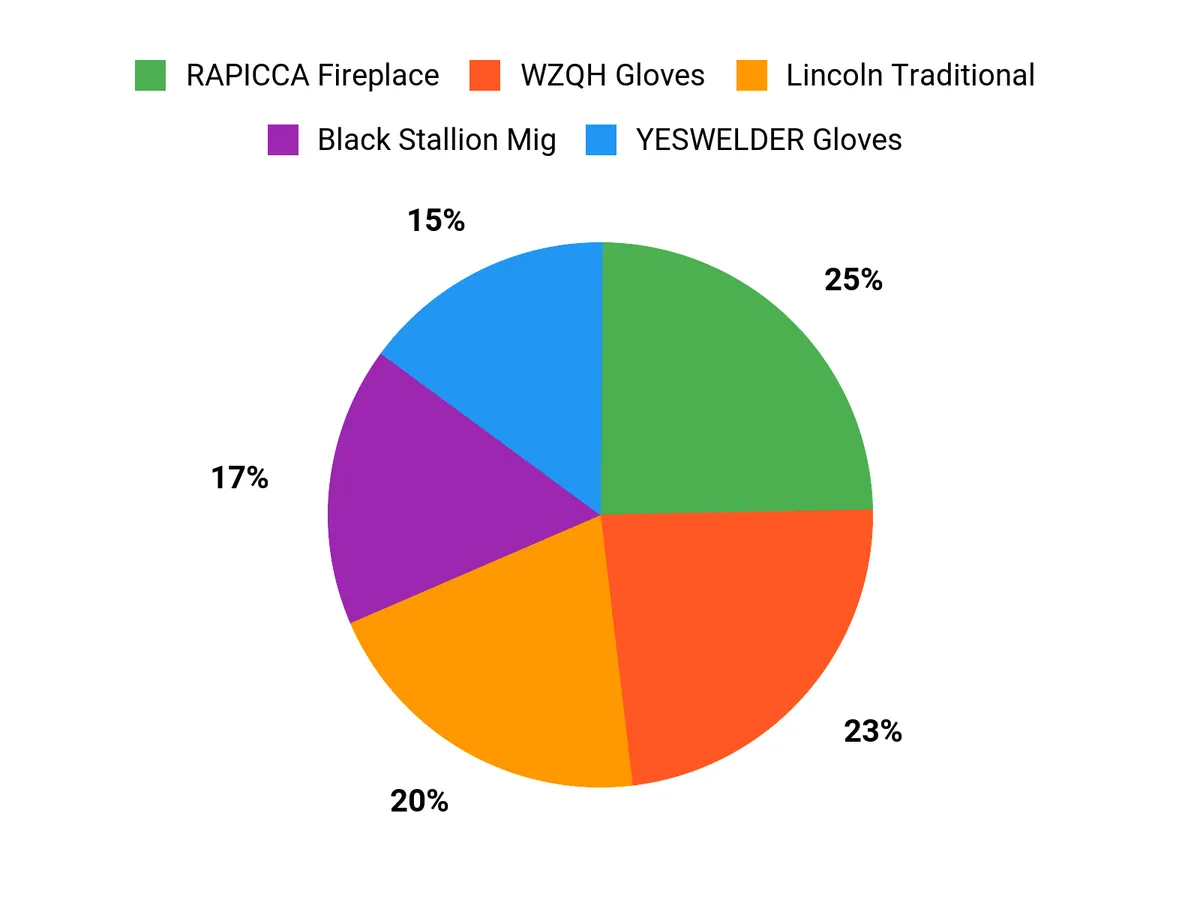
Most readers are deciding between three priorities: dexterity, longer spatter coverage, or broader high-heat protection. Choose a MIG-focused glove when torch control comes first, a longer lined MIG/stick glove when coverage matters more, and a 16-inch hot-work glove when open flames and forearm protection are regular parts of the job.
Product Image Comparison
| Product Name | Image | Best For | Score |
|---|---|---|---|
| Black Stallion GM1611 |
|
MIG dexterity | 91/100 |
| Lincoln Electric K2979-ALL |
|
MIG/stick coverage | 86/100 |
| RAPICCA 16-Inch 932°F Fireplace Gloves |
|
Fireplace and hot-work tasks | 88/100 |
| Lincoln Electric K2980-M |
|
Premium MIG/stick use | 94/100 |
| Miller 263339 Heavy-Duty MIG/Stick Gloves |
|
Heavy-duty shop welding | 92/100 |
| YESWELDER AP-1166 |
|
Forge, MIG and hot-work | 84/100 |
| WZQH 16-Inch 932°F Welding Gloves |
|
Welding, fireplace and grilling | 87/100 |
Final Verdict
For most MIG-focused shoppers, Black Stallion GM1611 has the strongest balance of control, reinforcement and practical shop protection. If longer coverage and value matter more, choose Lincoln Electric K2979-ALL; for a more premium regular-use option, Lincoln Electric K2980-M adds padded high-wear construction.



[…] personal protective equipment, such as welding gloves, ventilation, grounding discipline, and housekeeping are essential to preserve autonomy, reduce […]
[…] with durable reinforced palm patches can improve abrasion and handling protection, but glove construction and thickness should still […]
[…] be inspected before use, fitted correctly, kept sanitary, and replaced when damaged. Investing in high-quality gloves can improve protection and comfort when the glove type matches the […]
[…] heavier MIG and stick gloves provide more heat protection. Gloves with durable construction and reinforced palm areas may last longer where the added bulk does not interfere with […]
[…] with reinforced palm protection can improve durability during fabrication, but glove selection should also match heat […]