
You rely on a plasma cutter to convert ideas into precise metalwork quickly and reliably. Understanding the LOTOS lineup matters because these machines balance professional features with workshop affordability, so choosing the right model affects cut quality, consumable life, and how much setup and cleanup you will do.
This review focuses on practical strengths like pilot arc stability, rust removal capability, dual‑voltage flexibility, and serviceability so you can pick the tool that best matches your projects and budget.
Top Picks
|
Category |
Product |
Score |
|---|---|---|
|
🏆 Best for Rusty Metal |
93/100 |
|
|
💰 Best Budget Power |
88/100 |
|
|
🔰 Best Clamp Upgrade |
82/100 |
|
|
🎯 Best Ground Extension |
78/100 |
|
|
⭐ Best Precision/Power |
90/100 |
How We Chose
You need a plasma cutter that matches the metal thickness, surface condition, and work cadence of your projects. We prioritized cutting power and clean cut capacity, effective pilot arc behavior for noncontact starts, and specialized modes such as rust removal that reduce prep time. Build quality, user ergonomics like front regulators and torch design, and the availability of consumables were weighed against price to assess real workshop value. Finally, we considered user feedback on reliability and vendor support so you can expect a predictable ownership experience.
LTP5505D
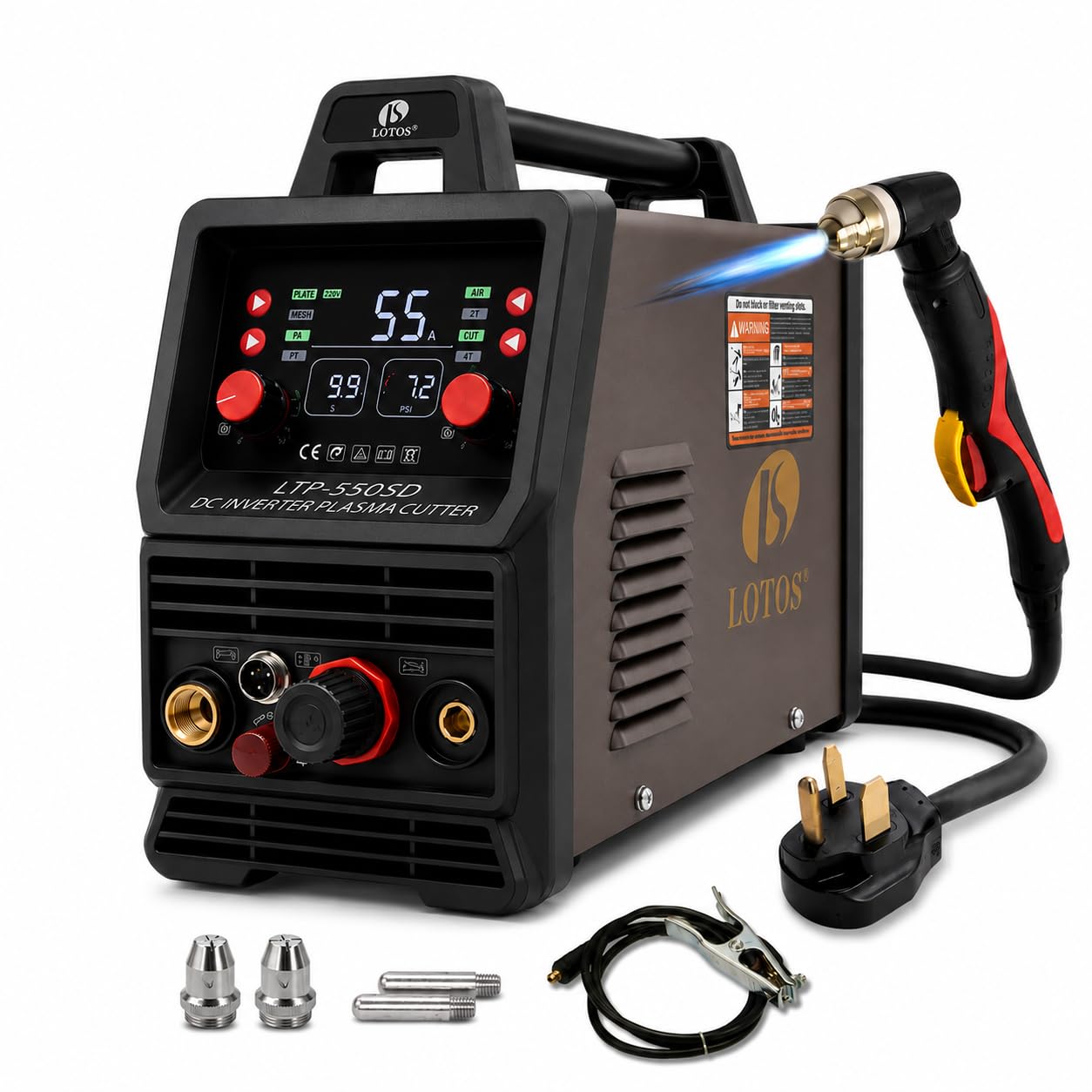
You want a cutter that gets through real workshop problems without a lot of fuss. The LTP5505D pairs a 55A output with a non‑touch pilot arc so you can start on rough or expanded surfaces without dragging the torch, and its Surface Rust Removal Mode means you do less grinding before you cut. It senses 120V or 240V input so you can use household power for quick jobs or flip into full industrial output for thicker material, and the front‑mounted regulator makes dialing in air pressure a two‑second task. If you do automotive bodywork, fence repair, HVAC ducting or garage art and often encounter painted or corroded metal, this unit shortens setup time and reduces consumable wear.
For most DIYers and light pros who need reliable, clean cuts on imperfect surfaces, this is a practical and capable choice.
What People Say
You’ll notice most customers praise how easily it cuts tough, rusty pieces and how the pilot arc handles expanded mesh and uneven surfaces. People commonly mention simple setup, responsive customer support, and cut quality that rivals more expensive units.
A few have reported minor packaging or missing regulator parts on arrival and ask for careful unboxing.
Overall Sentiment: Positive

Long-Term Savings
By skipping hours of grinding and reducing nozzle wear through non‑contact starting, you lower consumable and prep costs over time. Fewer trips to a metal shop and less rework on edges mean the machine saves you labor and keeps projects moving.
Return on Investment
If you do recurring repairs, restoration, or production work, the time saved on prep and the durability of consumables typically translates into a quick payback in saved labor and avoided outsourcing.
Situational Benefits
|
Situation |
How It Helps |
|---|---|
|
Automotive Bodywork |
You can slice through rusted panels and patch pieces cleanly without constant grinding, speeding repair and improving fit for welding. |
|
Farm and Fence Repair |
The rust removal mode and robust arc let you repair corroded posts and gates on site with fewer consumables and less prep. |
|
DIY Metal Art and Fabrication |
You get smoother edges and less dross on decorative cuts, so finishing requires less grinding and yields better detail. |
Versatility
You can use it for light industrial work, weekend projects, and restoration tasks. Dual‑voltage support and a pilot arc make it adaptable to different workshop setups and a variety of metals and thicknesses.
Safety Features
The non‑contact pilot arc reduces the risk of snagging or unexpected sparks at torch contact points. Standard cautions still apply: use a secure air supply, proper PPE, and maintain safe grounding and ventilation.
Durability
Build quality is solid for the price point and the pilot arc reduces nozzle wear, extending consumable life. A small number of users note unknowns about very long‑term reliability, but typical ownership reports show dependable performance over months of regular use.
Problem Solving
It addresses common workshop headaches like cutting through painted or corroded metal, initiating arcs on uneven stock, and minimizing post‑cut cleanup by producing cleaner edges.
Startup And Cut Speed
The pilot arc yields near‑instant starts and the high‑velocity cut capability delivers fast, smooth passes that reduce the number of slow follow‑up cuts you need to make.
Key Benefits
- Non‑Touch Pilot Arc for consistent starts on uneven surfaces
- Surface Rust Removal Mode reduces prep time on corroded metal
- 55A clean cut capacity up to 5/8″ with minimal dross
- Automatic dual‑voltage for garage or shop use
- Front regulator for fast, tool‑free air pressure adjustments
Rating: 4.4 (total: 2399+)
LT5000D

You want a machine that handles weekend projects and tougher shop tasks without drama. The LT5000D gives you 50 amps of cutting power with dual‑voltage flexibility so you can start on a household circuit and move to 240V for heavier cuts.
It’s straightforward to set up, makes clean slices through common steel thicknesses, and brings enough robustness for bumper builds, frame repairs, and decorative metalwork. For routine garage use and occasional heavier work, this model balances capability and simplicity in a way that keeps projects moving.
What People Say
Buyers commonly praise how easily it cuts typical shop materials and how versatile the 110V/220V option is for different setups. Reviews highlight reliable, clean performance on routine tasks and surprisingly strong capability for the price class. A few users caution about circuit limitations on smaller breakers, so plan your power supply accordingly.
Overall Sentiment: Positive

Long-Term Savings
You save on shop time and external cutting costs by doing more work in‑house, and cleaner cuts reduce finishing time and consumable waste. Over repeated projects those savings add up, especially when you avoid outsourcing simple cuts.
Return on Investment
If you regularly cut plate, repair parts, or fabricate components, the unit repays itself through faster job turnaround and lower finishing labor. For occasional users the ROI comes from greater convenience and fewer trips to a machine shop.
Situational Benefits
|
Situation |
How It Helps |
|---|---|
|
Garage Projects |
You can tackle repairs and custom parts quickly without hauling pieces to a shop, keeping weekend builds on schedule. |
|
Automotive Fabrication |
You get clean cuts for bumpers, brackets, and panels that fit better and weld with less prep. |
|
Hobby Metal Art |
You achieve finer detail and smoother edges, cutting down on grinding and finishing work. |
Versatility
This model handles light industrial tasks, regular repair work, and creative projects. Dual‑voltage and straightforward controls make it adaptable whether you’re in a home garage or a small shop.
Safety
Standard arc safety practices apply: secure grounding, proper ventilation, and PPE. The unit’s stability during cutting helps reduce unexpected torch contact and minimize splatter.
Durability
Build quality matches expectations for a workhorse in its class. Users report consistent performance over months of use, and the straightforward design makes routine maintenance and consumable swaps easy.
Problem Solving
It addresses common workshop challenges like cutting through medium‑thick plate quickly and producing cleaner edges that require less rework, which simplifies both repair and fabrication tasks.
Speed
Startup and cutting are responsive once power and air are set; you’ll notice swift initial arcs and steady travel speeds for typical steel thicknesses.
Key Benefits
- Dual‑voltage operation for flexible workshop use
- Capable clean cuts up to 5/8″ and severance to 3/4″
- User‑friendly setup for DIY and hobby projects
- Good balance of power and portability
- Proven brand support and parts availability
Rating: 4.5 (total: 1263+)
Hobart Clamp

You want a ground clamp that just works so your arc behaves predictably. This Hobart T‑style brass clamp gives you a firm bite and a solid conductor that beats the flimsy clamps that often ship with budget machines. It’s easy to position on awkward pieces, holds hot stock securely, and it fits into a variety of welding setups.
If you’re replacing a weak factory clamp or upgrading a hobby welder, this is a straightforward, reliable improvement that makes daily welding less fussy.
What People Say
Most users note a dramatic improvement over cheap factory clamps, praising the solid contact and grip that stabilizes welding performance. People mention easier positioning on odd shapes and better heat tolerance, while a few call out the cable loop and mounting details as minor annoyances.
Overall Sentiment: Positive

Long-Term Savings
A dependable ground reduces failed welds, scrap, and rework. Because the clamp is brass and holds well, you replace fewer consumables and spend less time troubleshooting intermittent connections.
Return on Investment
You get near‑immediate returns from improved weld quality and fewer interrupted sessions. For most users the upgrade pays for itself in saved time and cleaner welds after only a handful of jobs.
Situational Benefits
|
Situation |
How It Helps |
|---|---|
|
Budget Welders |
You replace the weak stock clamp with a more robust connection that prevents poor arcs and improves bead consistency. |
|
Hot or Small Parts |
The secure jaw holds red‑hot components without slipping, making tack welding and small repairs easier and safer. |
|
Field Work |
Its sturdy build tolerates rough handling and makes grounding on uneven surfaces more reliable when you’re working offsite. |
Versatility
This clamp works across MIG, stick, and many TIG setups as a grounding solution. It’s simple to adapt, so you can move it between machines and use it for repair, fabrication, and hobby tasks.
Safety
A strong, stable ground reduces arc instability that can cause spatter and uneven penetration. Use proper cable routing and PPE, and the clamp will help maintain a safer, cleaner weld environment.
Durability
Brass construction resists corrosion and heat better than stamped steel clamps, and reviewers report long service life even with heavy use and higher temperatures.
Problem Solving
It solves the common problem of intermittent or weak grounding that leads to blown fuses, poor welds, and wasted time. Swapping to this clamp is one of the easiest fixes for inconsistent arcs.
Speed
Clamping is quick and intuitive, and the improved contact often translates to more stable arc starts and fewer arc interruptions during work.
Key Benefits
- Strong brass construction for reliable conductivity
- T‑style design provides a firm, stable grip
- Wide jaw fits thicker workpieces and irregular shapes
- Simple retrofit for most welders and cables
- Reduces flaky ground connections that cause weld defects
Rating: 4.8 (total: 565+)
GC01 Ground Cable

If you’ve ever wished your plasma cutter cable reached a little farther, this 19‑foot GC01 ground cable does exactly that. It gives you extra mobility so you can position the machine away from sparks and work without constantly moving heavy parts. It’s straightforward to fit to LOTOS machines and many common welders, and while the wire looks lighter than some OEM leads, users find it keeps cool and maintains a solid connection during typical shop work. For everyday repairs, offsite jobs, or when you need more freedom around the bench, this is a sensible and practical swap.
What People Say
Most customers appreciate the added length and the practical freedom it gives in the shop, noting that it fits well with LOTOS units and similar machines. Several people call out the cable’s performance under normal use and the improved convenience versus the short stock lead.
A few mention the cable feels thinner than heavier aftermarket options but still performs reliably for typical tasks.
Overall Sentiment: Positive

Long-Term Savings
By letting you keep the cutter parked away from work and sparks, you reduce accidental damage and the need to reposition equipment, which saves time and lowers the chance of costly mishaps. Using a proper length ground can also cut down on rework caused by poor grounding.
ROI
The value shows up quickly if you spend time moving gear during jobs; improved workflow and fewer interruptions usually justify the upgrade after a few projects.
Situations
|
Situation |
How It Helps |
|---|---|
|
Shop Mobility |
Gives you room to place the cutter where it’s safe and out of the way, so you can work around larger pieces without hauling parts. |
|
Field Repairs |
Adds reach for on‑site jobs where power placement is constrained, letting you ground from more convenient points. |
|
Small Workshops |
Eliminates the awkward dance of moving the machine or the workpiece, streamlining weekend builds and repairs. |
Versatility
This cable works across a range of LOTOS cutters, TIG and MIG setups that accept the same clamp style, so you can move it between machines as needs change.
Safety
Longer reach lets you place the unit away from hot sparks and debris, reducing exposure and helping maintain a safer workspace when combined with correct grounding and PPE.
Durability
The cable is adequate for normal use and stays cool in typical sessions; heavier industrial duty users may prefer thicker gauge alternatives, but for routine workshop work it holds up well.
Problem Solving
It fixes the common pain point of a too‑short factory ground lead, preventing frequent repositioning and improving connection reliability compared with worn stock cables.
Speed
Installation is quick and intuitive, and the added reach immediately speeds workflow by reducing machine or part moves during cutting and welding tasks.
Key Benefits
- Extra 19‑ft reach reduces need to move work or machine
- Direct fit for LOTOS cutters and many welders
- Stays cool under normal loads
- Improves safety by allowing machine placement away from sparks
- Simple installation and straightforward compatibility
Rating: 4.5 (total: 188+)
PrimeWeld CUT50

You’re looking at a compact, capable cutter that’s meant for serious hobbyists and light shop use. The CUT50 pairs a reliable 50A inverter package with non‑touch pilot arc starts so you can hit rough or painted surfaces without dragging the torch. It runs on 110V or 220V automatically, so you can use household power for quick jobs or a dedicated 30A line for heavier work, and the portable footprint makes it easy to move around the shop or mount on a cart. People often use it for repetitive shop cuts, mobile repair work, and detailed metal art where consistent arc behavior matters, and its straightforward controls keep setup and maintenance simple.
If you want a step up in performance from entry models while keeping things relatively portable, this unit is a solid, sensible pick.
What People Say
Customers frequently highlight dependable day‑to‑day performance and how the unit handles repeated use in a small shop. Many praise its portability and cutting consistency, while a handful note the torch spacer or minor hardware items as replaceable tweaks rather than dealbreakers.
Overall feedback points to a machine that does what you expect and keeps working under regular loads.
Overall Sentiment: Positive

Long-Term Savings
Reducing trips to an outside shop and cutting cleaner edges at the source lowers finishing time and consumable turnover. For steady users those savings in time and rework accumulate quickly.
Return on Investment
If you cut regularly, the unit typically pays back through faster workflows, fewer outsourced cuts, and reduced finishing labor. It’s a practical investment for frequent hobbyists and small shops.
Situations
|
Situation |
How It Helps |
|---|---|
|
Mobile Repair Work |
The compact, portable design lets you bring cutting power to the job, avoiding the need to transport heavy panels back to the shop. |
|
Small Shop Fabrication |
Reliable arc stability and dual‑voltage flexibility let you run a variety of projects without complex setup changes. |
|
Hobby Metal Art |
Consistent starts and clean cuts reduce grinding and finishing, making detailed shapes easier to produce. |
Versatility
This cutter adapts well between home garages and small shops. Automatic voltage sensing and a compact case let you move between different power sources and job sites without fuss.
Safety
Non‑contact pilot arc reduces torch drag and unexpected snags. Standard precautions still apply: ensure solid grounding, correct air pressure, proper PPE, and ventilation during use.
Durability
Users report steady performance over months of regular use, though some replace lightweight torch accessories with sturdier aftermarket parts. The core inverter and control systems show good longevity when maintained.
Problem Solving
It handles common pain points like starting on painted or uneven stock and delivering repeatable cuts, which minimizes rework and speeds project flow.
Speed
Arc starts are quick thanks to the pilot arc, and cut travel speeds feel snappy for the 1/2″ class, so you spend less time fussing with slow passes.
Key Benefits
- Non‑touch pilot arc for reliable starts on imperfect surfaces
- Automatic dual‑voltage for flexible workshop setups
- Portable inverter design suited to cart or field use
- Consistent 1/2″ clean cuts for routine fabrication
- Good support and community resources for troubleshooting
Rating: 4.6 (total: 259+)
FAQ
Is It Right For My Projects?
You should consider the LTP5505D if you work on automotive body panels, farm and fence repairs, HVAC ducting, or garage fabrication and often face painted or corroded metal. Its 55A output and Surface Rust Removal Mode make it effective on oxidized surfaces, and the Non‑Touch Pilot Arc helps start cleanly on expanded or uneven stock.
For routine shop and light professional use it handles up to a 5/8″ clean cut well; if you regularly cut much thicker plate or run continuous heavy industrial cycles you may want a larger industrial unit.
How Do I Set It Up And Maintain It?
Begin by following the manual for correct electrical hookup and compressor requirements, then use the front‑mounted regulator and the factory Type‑D quick coupler to get a leak‑free air connection. Use clean, dry air and the recommended pressure from the manual, inspect torch consumables regularly and replace the electrode and nozzle when cut quality falls off, and keep vents and connections free of debris.
Periodic checks of grounding, torch lead condition, and consumable seating will keep starts consistent and extend service life.
What Problems Should I Expect And How Do I Fix Them?
Common issues are packaging or missing small parts on arrival, arc instability from inadequate air pressure or poor grounding, and faster consumable wear if the torch contacts the work. If you see arc stuttering or rough cuts, check the power supply, ground connection, and air pressure, clean or replace worn consumables, and verify the regulator and fittings are sealed.
If breakers trip on 120V, move to a proper 240V circuit or a dedicated 30A/20A line as the job requires, and contact support for missing components or persistent faults.
Customer Preferences
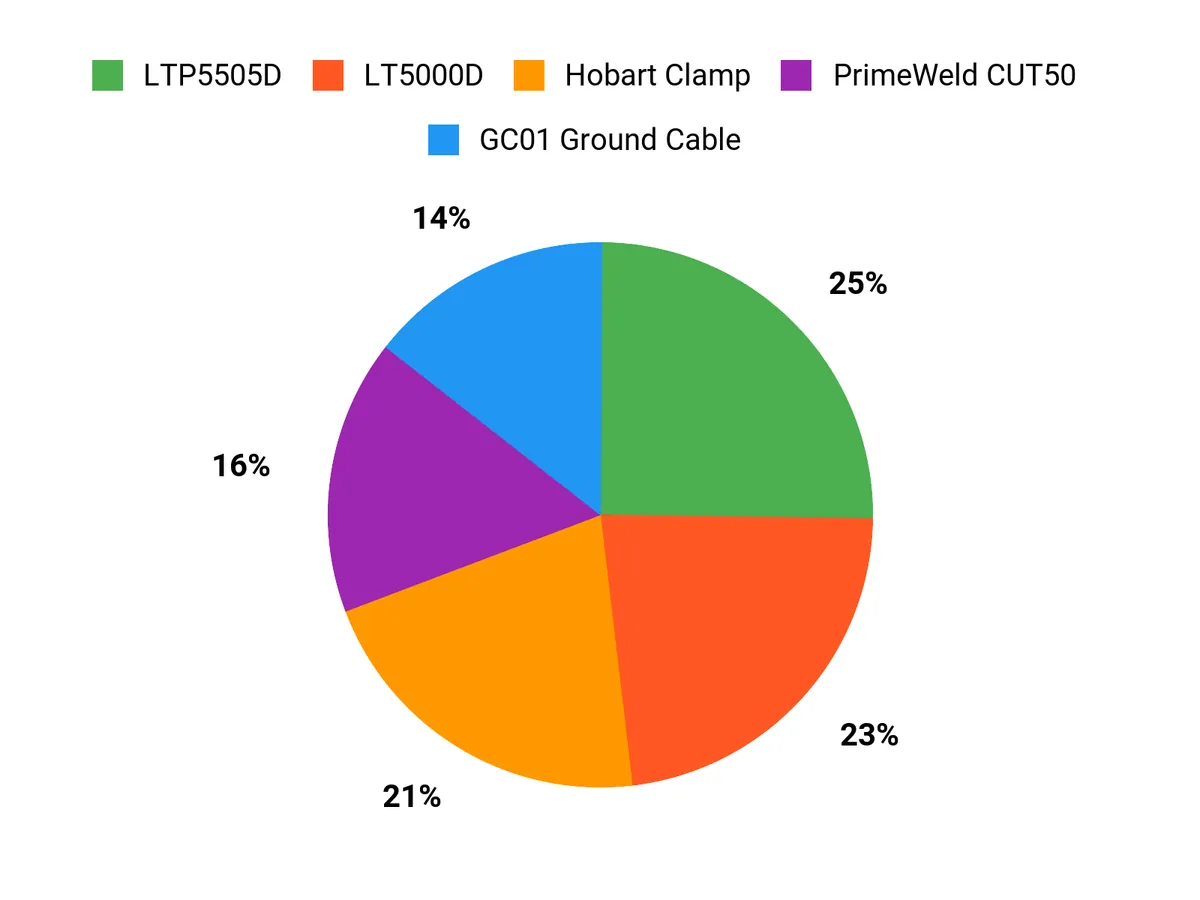
You typically prioritize cutting capability, special modes, and connection reliability when choosing between the LTP5505D, LT5000D, and the Hobart clamp. If you need the best performance on corroded or thicker stock you lean toward the LTP5505D for its 55A output and rust‑removal mode, if you want a versatile, easy‑to‑use machine for everyday garage work you favor the LT5000D, and if arc stability or poor grounding is the limiting factor you upgrade with the Hobart clamp to secure a consistent connection.
Wrapping Up
If you work on oxidized, painted, or expanded‑mesh materials you will appreciate the Lotos LTP5505D for its 55A output and dedicated surface rust removal mode, and it represents a strong midrange value at $249.98. If budget and general workshop versatility drive your choice, the LT5000D delivers respectable 50A performance and a very attractive price at $159.97.
For simple but crucial upgrades, fit the Hobart 400‑Amp T‑Style Clamp to improve grounding and consistency for all arc processes at $29.48, or add the Lotos GC01 19′ ground cable for extra reach and flexibility at $39.99. If you want higher-grade precision and sustained shop duty and you can justify a larger investment, the PrimeWeld CUT50DP offers robust cuts and durability at $399.00.
Match the model to the metals you cut, the frequency of use, and whether features like non‑touch pilot arc or rust removal will save you prep time, and you will end up with a machine that performs reliably for the work you do.
| LOTOS LTP5505D 55A Pilot Arc Plasma Cutter | LOTOS LT5000D Plasma Cutter | Hobart 770031 400-Amp T-Style Ground Clamp | |
|---|---|---|---|
|
|
|
|
|
| Rating | 4.4/5 (N reviews) | 4.5/5 (N reviews) | 4.8/5 (N reviews) |
| Cutting Capacity | 5/8 inch clean cut; 1 inch severance cut | 5/8 inch clean cut; 3/4 inch severance cut | N/A, ground clamp |
| Voltage Options | Dual voltage 120V/240V | Dual voltage 120V/240V | N/A |
| Weight | 16 pounds | 21.4 pounds | 1.3 pounds |
| Shop Now | Shop Now | Shop Now |
This Roundup is reader-supported. When you click through links we may earn a referral commission on qualifying purchases.