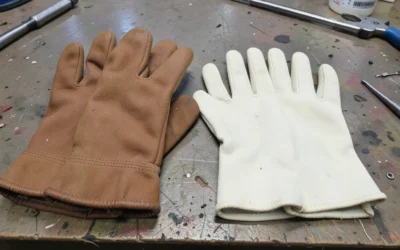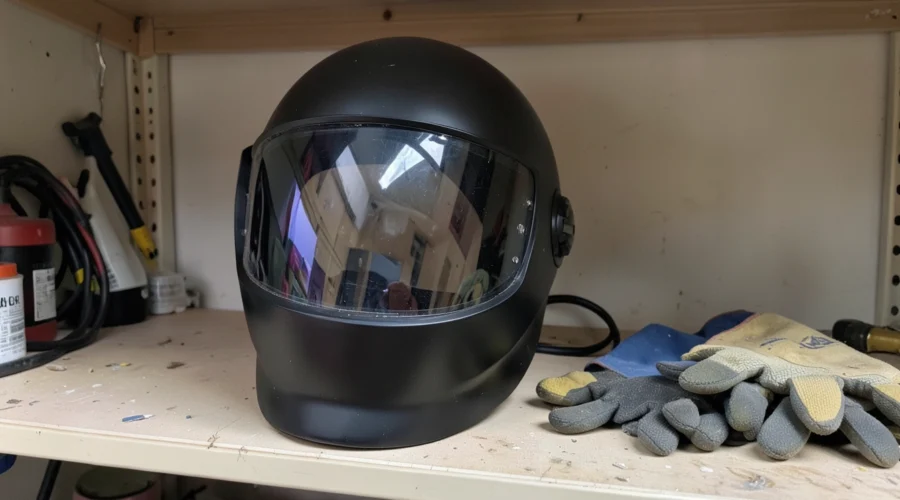
The YESWELDER LYG-L600A is a budget auto-darkening welding helmet with 1/1/1/1 true-color optics, a 3.64 by 1.67 inch viewing area, 1/30000 second switching and a 3/7-13 shade range. For the price it is hard to beat, but it has a small window and only two arc sensors.
We reviewed it using the Amazon listing and compared it with the helmets in our other guides.
We research every product using manufacturer specifications, published manuals and owner feedback. As an Amazon Associate, GenuineWelding earns from qualifying purchases at no extra cost to you. Prices change often, so check the current price before you buy.

YESWELDER LYG-L600A Auto-Darkening Welding Helmet (1/1/1/1 True Color)
Budget true-color ADF with shade 3/7-13 and 1/30000 s switching
Key Specs
| Spec | Detail |
|---|---|
| Viewing area | 3.64 x 1.67 in |
| Optical clarity | 1/1/1/1 true color |
| Arc sensors | 2 |
| Switching time | 1/30000 second |
| Shade range | 3/7-13 |
| Standard | ANSI Z87.1 |
| Shell | Thickened polypropylene (PP) |
Optics and Performance
The listing gives the viewing area as 3.64 by 1.67 inches with 1/1/1/1 optical clarity, which is the best possible rating for each of the four optical categories. Two arc sensors switch the lens in 1/30000 second, with adjustable sensitivity and delay controls. The outer lens blocks blue light, and shade 3/7-13 covers TIG, MIG, stick and grinding. It also takes magnifying lenses for close-up work.
Comfort and Build
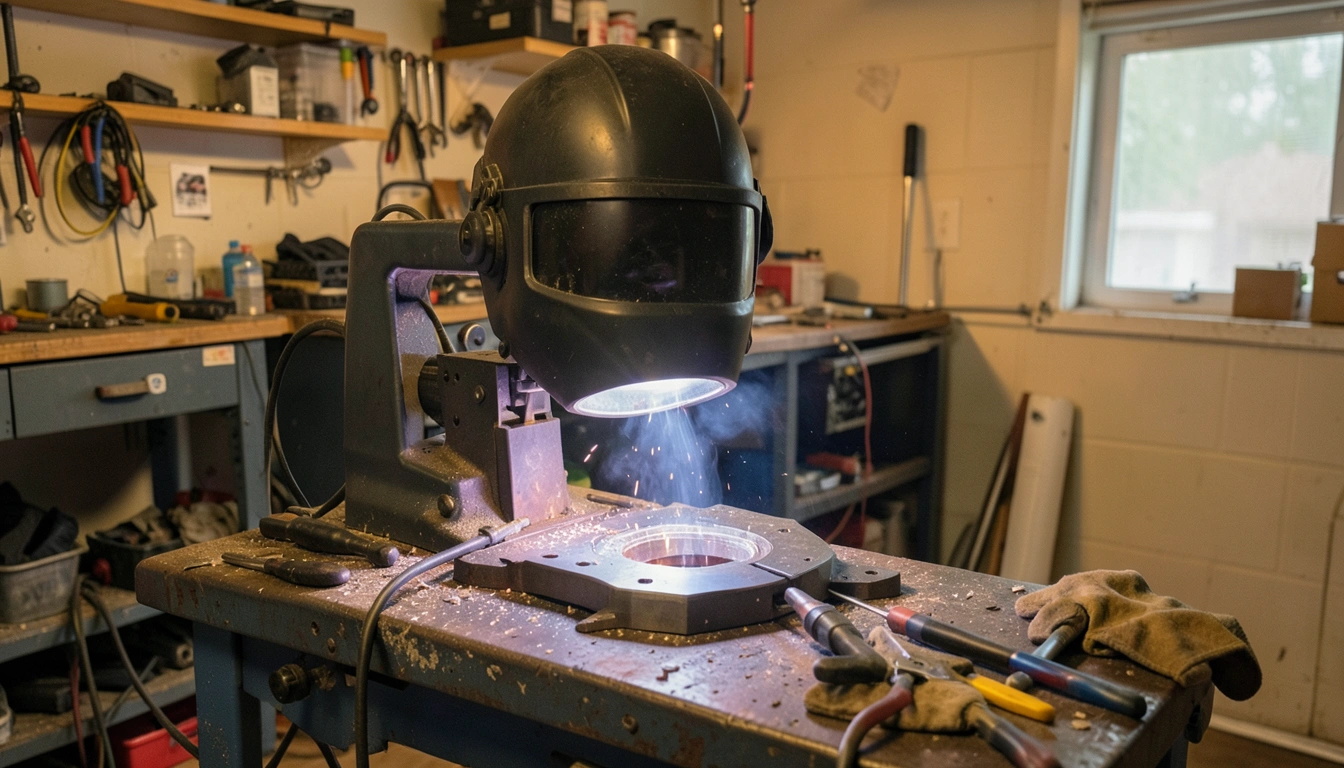
The shell is thickened polypropylene that resists impact, flame and corrosion, and the headgear is adjustable and pivot-style for a secure fit. It is a basic design, so do not expect the premium comfort of a Miller Digital Elite.
Who It Suits
A helmet like this is best for hobbyists, students and anyone who wants an inexpensive backup. Daily professional welders will likely want a bigger window and four sensors. Compare with our best welding helmets under $200 list, and learn how the technology works in our guide to auto-darkening helmets.
Limits to Keep in Mind
- Small window: harder to see fit-up compared with large-lens helmets.
- Two sensors: can flicker if both are blocked.
- Low-amp TIG: test it on scrap before you weld a critical part.
- Replacement parts: cover lenses are inexpensive but keep spares.
How It Compares With Other Budget Helmets
Here is how the LYG-L600A stacks up against two popular step-up options, based on their Amazon listings:
| Helmet | Viewing area | Sensors | Shade range | Clarity |
|---|---|---|---|---|
| YESWELDER LYG-L600A | 3.64 x 1.67 in | 2 | 3/7-13 | 1/1/1/1 |
| YESWELDER LYG-M800H | 3.93 x 3.66 in | 4 | 3/5-9 and 9-13 | 1/1/1/1 |
| Lincoln Electric Viking 1840 | Not listed | Not listed | 7-13 (2.5 light state) | 1/1/1/1, 4C lens |
The biggest limits of the L600A are its narrow window and two sensors. The LYG-M800H costs a little more and fixes both, with a window more than twice as tall and four sensors. The Viking 1840 is a step up in brand and lens technology.
Alternatives Worth Considering
If the small window bothers you, these are the most sensible upgrades:
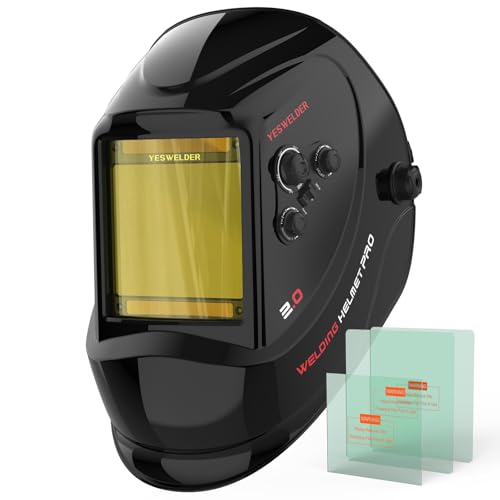
YESWELDER LYG-M800H
Same brand with a much larger 3.93 x 3.66 in window, four sensors and a light 1.32 lb shell.

Lincoln Electric Viking 1840
4C lens, 1/1/1/1 clarity, 7-13 shade and external grind control.
Getting the Most From a Budget Helmet
- Test it before each use. Point it at a bright arc or a lighter and check that it darkens instantly.
- Set sensitivity higher for low-amp TIG. Two sensors can miss a small arc, especially when your hands block one sensor.
- Change the battery on schedule. A weak battery can slow the lens, so replace it before it runs flat.
- Keep spare cover lenses. Spatter on the outer cover quickly makes the view worse.
- Consider a cheater lens if you have trouble seeing detail. The listing says it accepts magnifying lenses.
Pros and Cons
Pros
- Very low price
- True-color 1/1/1/1 optics
- Fast 1/30000 s switching
- Accepts magnifying lenses
Cons
- Smaller viewing area than premium helmets
- Two sensors only
- Plastic shell and basic headgear
Who Should Buy It
hobbyists, students and anyone who needs an affordable ADF helmet for MIG, TIG, stick and grinding.
Alternatives to Consider
- Bigger window and better support: Jackson welding helmets.
- Premium: Miller Digital Infinity.
- More budget picks: welding helmets under $200.
FAQs
Is the YESWELDER auto-darkening helmet good?
For the price, yes. It offers true-color optics, fast switching and a wide shade range, though it lacks the window size and sensors of premium helmets.
What shade range does it have?
The listing gives 3/7-13, which covers TIG, MIG, stick and grinding.
Is it ANSI certified?
The listing says it is ANSI Z87.1 certified.
Does it work for TIG welding?
It can, but for low-amp TIG you should test it first because two sensors and a small lens limit performance.
Can I use magnifying lenses?
Yes. The listing says it accommodates magnifying lenses.
Is the YESWELDER LYG-L600A good for TIG welding?
It can work for TIG, but with only two sensors it may miss low-amp arcs when the sensors are blocked. A four-sensor helmet such as the LYG-M800H is better for regular TIG work.
Final Verdict
The YESWELDER LYG-L600A is an easy recommendation for anyone who needs a cheap, decent auto-darkening helmet. Step up if you weld for a living. Check the current price on Amazon.
Sources
- YESWELDER LYG-L600A listing
- ANSI Z87.1 eye protection standard overview
- OSHA: welding, cutting and brazing