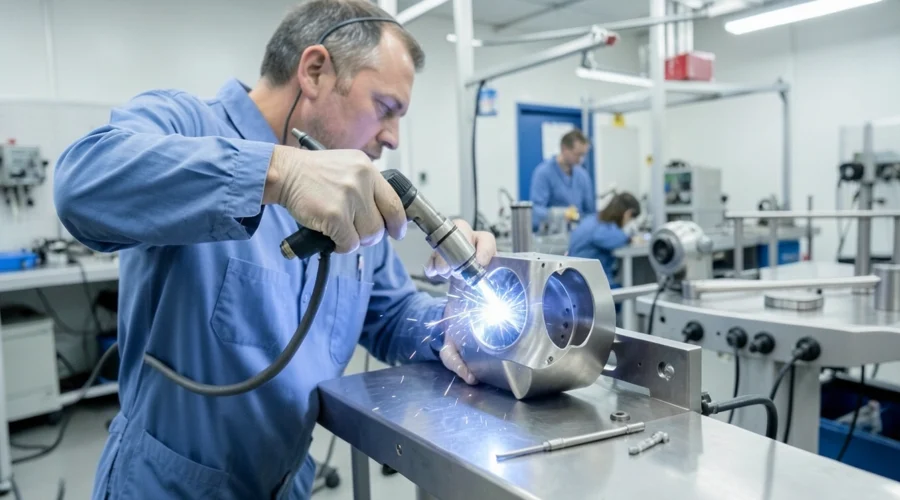
TIG welding jobs are found in aerospace, precision fabrication, shipbuilding, food and pharmaceutical piping and oil and gas. Current listings often pay about $22 to $38 per hour, with higher rates for code-certified welders and those with 2 or more years of experience.
TIG (GTAW) is a slower, precise process, and employers pay for skill with stainless steel, aluminum and exotic metals. Here is what the market looks like and how to prepare.
Key Facts
- Migratemate reports TIG welder openings from entry-level to senior across aerospace, manufacturing, shipbuilding and oil and gas.
- A Downey, California TIG welder listing pays $27.00 per hour at Level 1, $32.50 at Level 2 and $38.00 at Level 3.
- A Saint Paul, Minnesota listing pays $27 to $33 per hour.
- Aerospace work commonly calls for AWS D17.1 qualification.
Where TIG Welders Work
- Aerospace and space: TIG is the most common process for rocket and aircraft structures, according to Zero G Talent, which lists TIG welders at SpaceX at about $23 to $43 per hour.
- Precision fabrication: stainless and aluminum parts for food, beverage, medical and semiconductor equipment.
- Shipbuilding and pipe: root passes and stainless piping.
- Oil and gas and power: high-pressure piping often needs TIG root passes.
What TIG Welders Earn
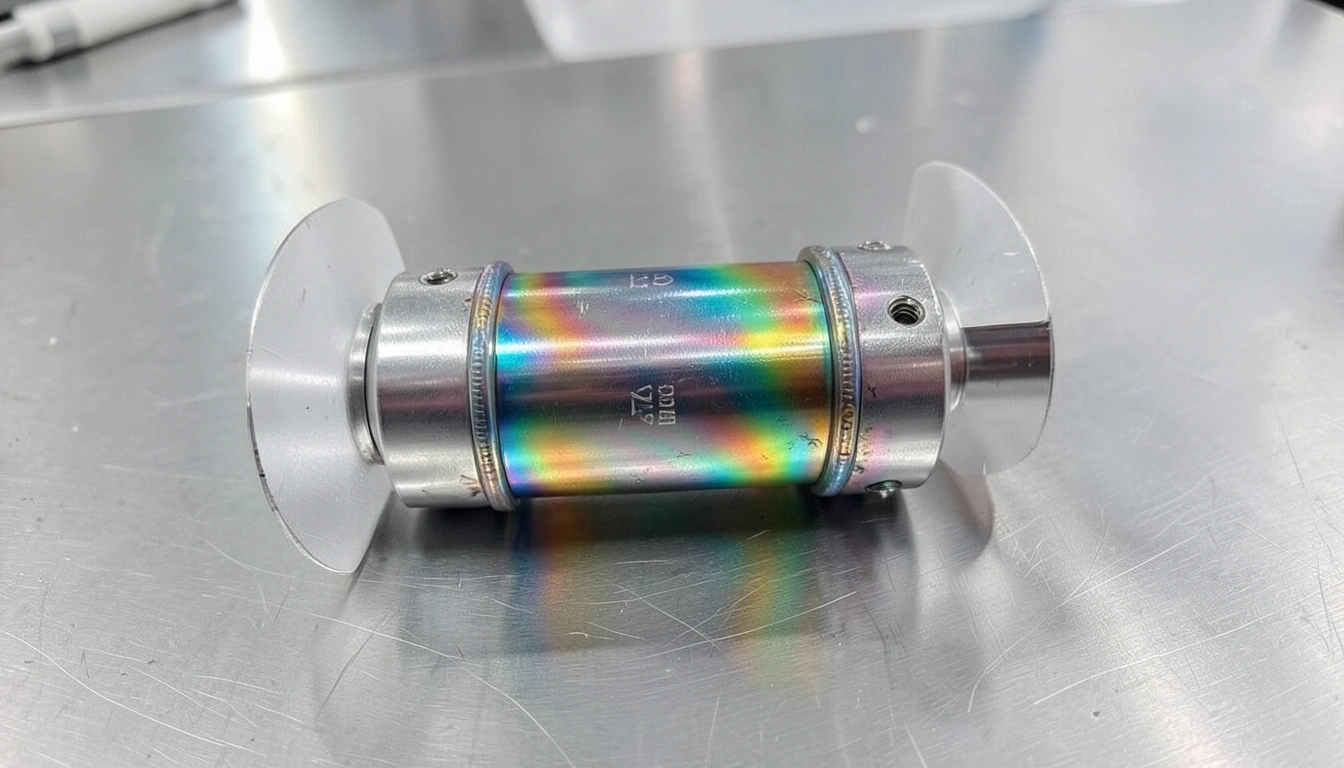
Pay varies widely. A fabrication listing found on Qureos pays $22 to $27 per hour, a Saint Paul, Minnesota listing pays $27 to $33 and a tiered Downey, California listing pays $27 to $38. Salary.com lists Texas aerospace welder pay at a median of $56,138 per year as of April 2026. For all welders, BLS reports a median of $53,750 per year. Pay generally rises with code certifications and time on exotic metals. See our guide to pipe welder salary for the top of the range.
What Employers Look For
- Two or more years of TIG experience on carbon steel, stainless or aluminum, according to common requirements in listings.
- Certifications listed by base metal and position, such as 6G stainless pipe.
- Blueprint reading and the ability to set up and maintain TIG equipment.
- For aerospace, AWS D17.1 and experience with titanium and nickel alloys.
How to Qualify
- Learn fundamentals and practice on thin steel, stainless and aluminum. Our best TIG welder for beginners guide covers machines.
- Understand AC vs DC TIG because aluminum needs AC.
- Take a course and pass certification tests.
- Apply for entry-level fabrication roles, then move into code work.
TIG Welder Pay: What the Data Says
Salary sites and live job ads agree that TIG work pays somewhat above general welding, with the biggest jumps for aerospace, stainless pipe and contract work:
| Source | Figure | Notes |
|---|---|---|
| Indeed | $25.04 per hour average (low $18.60, high $33.70) | 4,300 job posting salaries, updated June 15, 2026 |
| ZipRecruiter | $55,268 per year average, about $26.60 per hour | TIG job listings, 2026 |
| Payscale | $24.01 per hour median | Early-career welders with TIG skills, 2026 |
| Aerospace TIG listing, Fort Worth, TX | $18 to $26 per hour | Must be AWS D17.1 certified within 6 months |
| Contract TIG listing, Peoria, IL | $27 to $34 per hour | Staffing agency role with benefits |
Use these as a range, not a promise. Pay depends on whether you can pass the employer’s test on its metals, your shift and how much overtime the shop runs.
Common TIG Job Titles
Search more than just “TIG welder”. Employers use several names for TIG-heavy roles:
- TIG welder / GTAW welder: general precision fabrication on stainless, aluminum and carbon steel.
- Heliarc welder: an older name for TIG, still common in aerospace and sheet metal shops.
- Aerospace welder: aircraft, engine and space hardware welded to AWS D17.1.
- MRO welder: repair and overhaul of aircraft parts, often under FAA Part 145 rules.
- Orbital welder: runs automated orbital TIG systems for tube and pipe, common in semiconductor and pharmaceutical work.
- Combo or pipe welder: TIG root and hot pass, then stick or TIG fill and cap on pressure pipe.
- Welder-fabricator: builds parts from drawings and welds them, often with both MIG and TIG.
Aerospace TIG Jobs: What AWS D17.1 Means
AWS D17.1 is the main specification for fusion welding of aerospace hardware, and it shows up in almost every aerospace TIG ad. Typical requirements from current listings include:
- Passing a D17.1 test with the company, sometimes within 60 days or 6 months of hire.
- Welding very thin material, for example 0.025 to 0.090 inch, or 0.010 to 0.250 inch in one heliarc listing.
- Experience on stainless steel, aluminum, titanium and nickel alloys such as Inconel.
- A vision test, such as 20/30 or better in each eye.
- Familiarity with AS9100 and NADCAP quality systems.
- U.S. citizenship or permanent residency for ITAR-controlled work, and sometimes the ability to get a security clearance.
One staffing listing describes the test as a TIG weld on 14-gauge (0.063 inch) aluminum, which gives a good idea of the skill level expected.
Where to Find TIG Welding Jobs
- Big job boards such as Indeed and ZipRecruiter. Search for TIG, GTAW and heliarc separately.
- Staffing agencies that specialize in skilled trades. Contract roles often lead to direct hire.
- Employer career pages for aerospace, defense, semiconductor and food equipment makers in your area.
- Welding school career services, which often have hiring partners.
- Local fab shops. Walk in with a resume and photos of your welds. Many small shops hire after a bench test.
- Union locals for pipe and plant work. See our union welder pay guide.
TIG Welding Career Path
A common progression looks like this: start as a helper or production MIG welder, learn TIG on stainless and aluminum, pass code tests, move into aerospace, pipe or orbital work, then step into lead welder, quality or inspector roles. Inspectors usually need the AWS Certified Welding Inspector (CWI) credential. Each step usually brings a pay bump, and the jump from general fabrication to code or aerospace work is often the biggest. If you are just starting, see entry-level welding jobs and how long welding school takes.
FAQs
Is TIG welding in demand?
Employers in aerospace, fabrication and piping regularly post TIG welder openings, though BLS projects slow overall growth for welders.
How much do TIG welders make?
Current listings range from about $22 to $38 per hour, depending on skill and industry.
Do I need certification for TIG jobs?
Many code and aerospace jobs require it. Production jobs may only need a weld test.
Is TIG welding harder than MIG?
TIG demands more hand coordination and practice, which is why skilled TIG welders command higher pay in many roles.
What metals do TIG welders work with?
Stainless steel, aluminum, titanium, nickel alloys and carbon steel.
What is a heliarc welder?
Heliarc is an older name for TIG (GTAW) welding, from the helium shielding gas used in early versions. Heliarc welder jobs are TIG jobs, often in aerospace and sheet metal.
Do aerospace TIG jobs require U.S. citizenship?
Many do. Work covered by ITAR export rules is usually limited to U.S. citizens or permanent residents, and some defense jobs also need a security clearance.
Bottom Line
TIG welding jobs reward precision and certifications. Build solid fundamentals on stainless and aluminum, get tested and look at aerospace, fabrication and piping employers.
Sources
- Migratemate: TIG welder jobs
- Zero G Talent: SpaceX welding jobs
- Tietalent: Downey TIG welder listing
- ZipRecruiter: TIG jobs
- Salary.com: Aerospace welder salary in Texas
- BLS Occupational Outlook Handbook: Welders
- Indeed: TIG welder salary
- ZipRecruiter: TIG welder jobs
- Payscale: Early-career welder with TIG skills
- iHire: Aerospace TIG welder listing, Fort Worth
- CareerCircle: Aerotek TIG welder (AWS D17.1)
- TAT Technologies: Aerospace MRO welder