You can start a welding career with a high school diploma or equivalent and on-the-job training. The most common entry-level roles are welder helper, apprentice, production (MIG or flux-core) welder and structural welder trainee, with typical hourly pay in the high teens to mid-twenties in current job listings.
This guide covers what each starting role involves, what employers ask for and how to get hired, using Bureau of Labor Statistics (BLS) data and current job postings.
Key Facts
- BLS lists a high school diploma or equivalent as the typical entry-level education for welders, with moderate-term on-the-job training.
- BLS says entry-level workers with formal technical training still get several months of on-the-job training.
- Employer-based apprenticeships exist, some for people with no prior experience.
- ZipRecruiter reported an average of $19.58 per hour for welder apprentices as of June 8, 2026.
Common Entry-Level Welding Roles
Welder helper or fitter helper. Helpers support experienced welders by preparing material, grinding, cleaning up, handling PPE and equipment and lifting parts. One current helper posting lists grinding and polishing finished products, following safety guidelines and lifting up to 50 pounds.
Apprentice. BLS notes that employer-based apprenticeships are available, some for workers with no prior experience and others for graduates of vocational-technical welding programs.
Production welder. Manufacturers hire MIG and flux-core welders for repetitive work on set procedures. These jobs often provide training on the shop floor.
Structural or pipe trainee. Fabrication and construction companies hire new welders and train them toward code work.
Fire watch. Not welding, but a common way into industrial sites. See our guide to the fire watch job.
What Entry-Level Pay Looks Like
Pay varies by region, employer and process. As examples, current ZipRecruiter listings include an entry-level welder role in Litchfield, Minnesota at $21 to $30 per hour, an entry-level welder in Waukesha, Wisconsin at $19 to $23 per hour and a structural welder in Morgan City, Louisiana at $18.25 to $24 per hour. BLS reports that across all industries the lowest 10 percent of welders earned less than $39,240 per year in May 2025, while the median was $53,750. See our guides on whether welding is a good career and welder salary in Texas.
What Employers Usually Ask For
- A high school diploma or GED.
- Age 18 or older and often a valid driver license, per one SHRM-listed trade posting.
- Reliable transportation and a strong desire to learn, per a Maryland posting offering on-the-job mentorship.
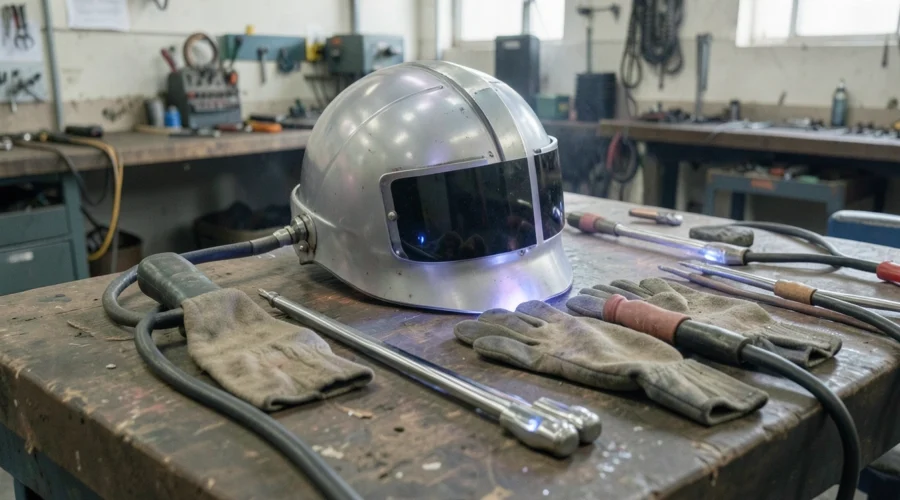
- Basic safety awareness and the ability to follow PPE rules.
- Some certification or a test weld for production and structural roles. BLS says some employers require certification and may pay for training and testing.
How to Get Your First Welding Job
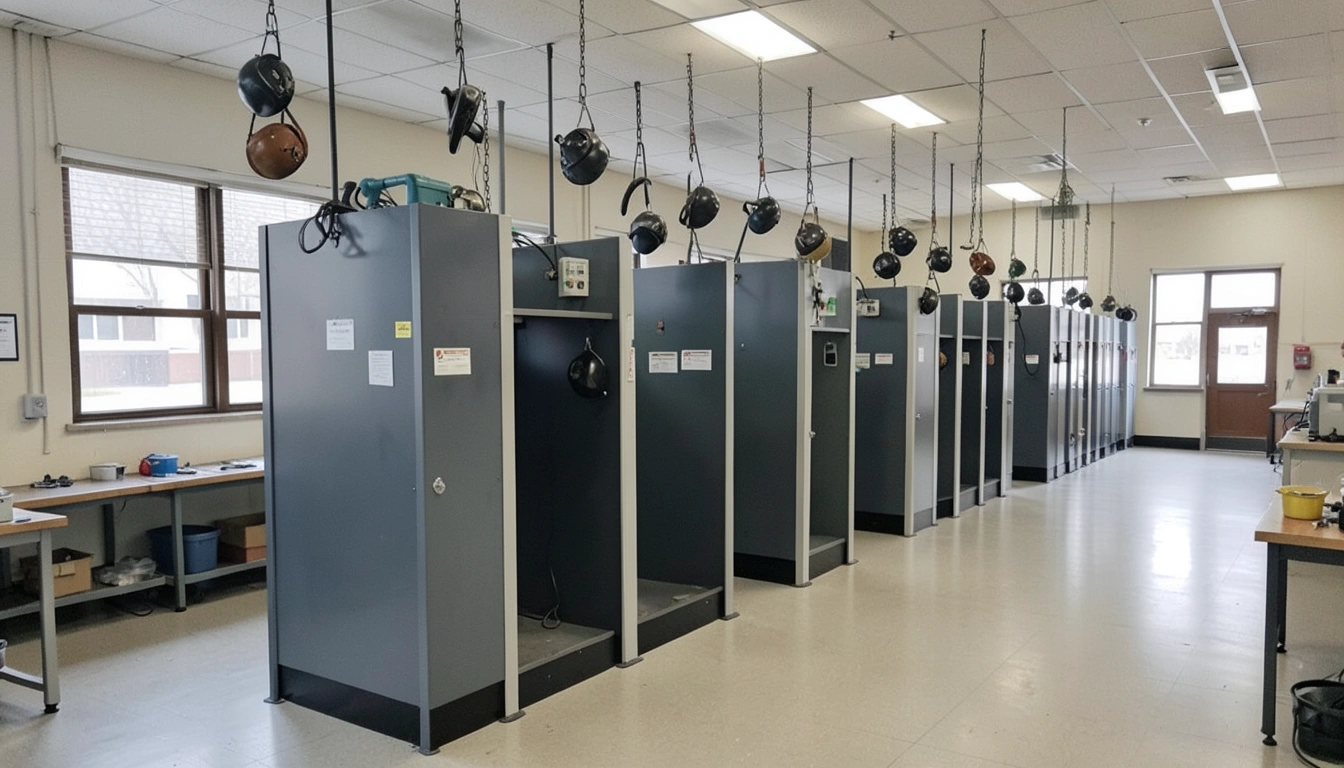
- Get training. A short course at a community college or trade school gives you hours in the booth. See how long welding school takes and how much it costs.
- Practice and keep samples. Bring test coupons or photos of your best beads.
- Apply broadly. Check manufacturers, fab shops, staffing agencies and union apprenticeship programs.
- List processes and positions. Mention MIG, flux-core, stick or TIG and positions such as 1G or 3G if you have tested.
- Be ready for a weld test. Many shops test candidates on site.
Good gear also helps you get started. Our welding respirator guide covers fume protection.
Safety and Licensing
BLS notes that welders must complete electrical safety training and that some states and localities require welders to be licensed, with requirements varying by place. Check with your state or local agency.
The Weld Test: What to Expect
Almost every welding employer gives a hands-on bench test before hiring, even for entry-level roles. A common format is a 3/8-inch plate with a backing strip welded in the vertical (3G) and overhead (4G) positions, then bent or cut to check fusion. Tulsa Welding School lists 3G/4G plate tests with E7018 stick, or with flux-core, among the certifications most often requested at its test facility.
- Ask what the test is when you are invited: process, position, rod or wire, and plate thickness.
- Practise that exact test in the days before, including the root pass.
- Bring your own gear if asked, and arrive early so you can set up and run a scrap bead.
- Keep your area clean and safe. Testers watch how you work, not just the finished coupon.
Pay Progression in Your First Years
Starting pay is only the beginning. One apprenticeship hiring guide gives this typical ladder, from first-year apprentice to inspector:
| Stage | Typical hourly pay | Time in trade |
|---|---|---|
| First-year apprentice | $15 to $20 | 0 to 1 year |
| Second-year apprentice | $19 to $24 | 1 to 2 years |
| Third-year apprentice | $22 to $28 | 2 to 3 years |
| Journeyman welder | $28 to $42 | 3 to 4 years |
| Inspector or supervisor | $35 to $50 | 6+ years |
Your pace depends on how quickly you pass harder tests, such as pipe or TIG work. See pipe welder salary and TIG welding jobs for two of the faster-paying paths.
Where to Find Entry-Level Welding Jobs
- Job boards: search “welder helper”, “welder trainee”, “production welder” and “apprentice welder”, not just “welder”.
- Staffing agencies: many manufacturers hire through temp-to-hire roles.
- Registered apprenticeships: listed on Apprenticeship.gov, union locals and some large employers.
- Your welding school: career services teams often have hiring partners.
- Local shops: fab shops, trailer builders, ag-equipment dealers and repair shops often hire people who walk in with a resume and photos of their welds.
Resume Tips for New Welders
- List each process you can run (stick, MIG, flux-core, TIG) and the positions you can weld.
- Include any certifications, school hours and safety training, such as OSHA 10.
- Mention related skills: blueprint reading, measuring, grinding, torch cutting and forklift experience.
- Add a link or a few printed photos of clean practice welds.
- Keep it to one page and make it easy to read.
Even one AWS Certified Welder test passed at an accredited facility can make a new welder stand out. For 2026, AWS lists a $70 application fee, and the test facility sets its own testing fee.
FAQs
Can you get a welding job with no experience?
Yes. Welder helper, apprentice and trainee roles are open to people with little or no experience, though a short course or sample welds help you stand out.
Do I need a certification to get hired?
Not always. BLS says some employers require general or specific certification, and some pay for training and testing.
What is the difference between a helper and an apprentice?
Helpers mainly assist welders with prep and support tasks, while apprentices follow a structured training path that builds toward journeyman skills.
How much do entry-level welders make?
Current listings range from roughly $18 to $30 per hour depending on location and process.
Is a degree required?
No. BLS lists a high school diploma or equivalent as typical entry-level education.
What weld test do entry-level jobs use?
It varies by employer, but a vertical or overhead plate test with stick (E7018) or flux-core wire is common. Ask the employer for the test details before you go.
Bottom Line
Entry-level welding jobs are accessible if you are willing to start as a helper, apprentice or trainee and build skills. Combine short formal training with practice, and apply to employers who offer on-the-job learning.
Sources
- BLS Occupational Outlook Handbook: Welders, Cutters, Solderers, and Brazers
- ZipRecruiter: Entry Level Welder jobs
- ZipRecruiter: Welders Apprentice
- Chron: How to Become a Welder Helper
- Tulsa Welding School: Guide to AWS welding certification
- Henry Hire: Welding apprentice pay ladder
- GetCostIdea: AWS welding certification costs 2026