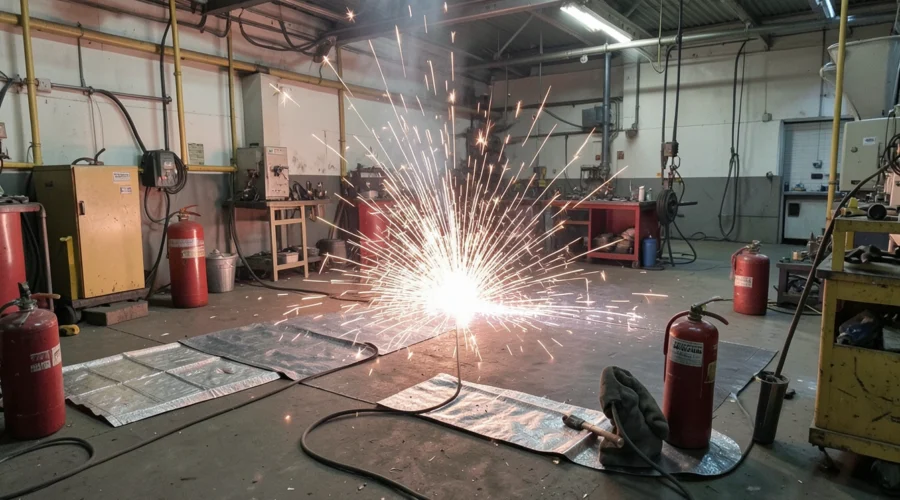
A fire watch is the person assigned to continuously observe hot work such as welding, cutting and grinding so a fire can be detected and stopped. The watch lasts for the whole job and, per OSHA, at least 30 minutes after hot work ends, while NFPA recommends at least an hour.
Fire watch is a common entry point into industrial and construction sites and a useful first step for people who want to move into welding. Here is what the job involves, what employers require and what it pays.
Key Facts
- The fire watch must stay focused on the hot work and may not take on other duties that distract from watching.
- Post-work watch: OSHA requires at least 30 minutes, NFPA recommends at least an hour, and the permit may specify the time.
- Typical requirements in listings: OSHA 10 or 30, first aid and CPR, and prior fire watch or industrial experience.
- ZipRecruiter says fire watch workers typically earn $15 to $25 per hour.
What a Fire Watch Does
A fire watch is responsible for continuously observing hot work operations to detect and respond to fires. Listings describe duties such as checking the hot work permit precautions before work starts, monitoring welding, cutting and grinding in the assigned area, keeping an eye out for smoke, sparks and unsafe conditions, being ready to use a portable extinguisher or hose and contacting the fire department. If the fire watch must leave, the hot work stops or a qualified replacement takes over.
How Long the Watch Lasts
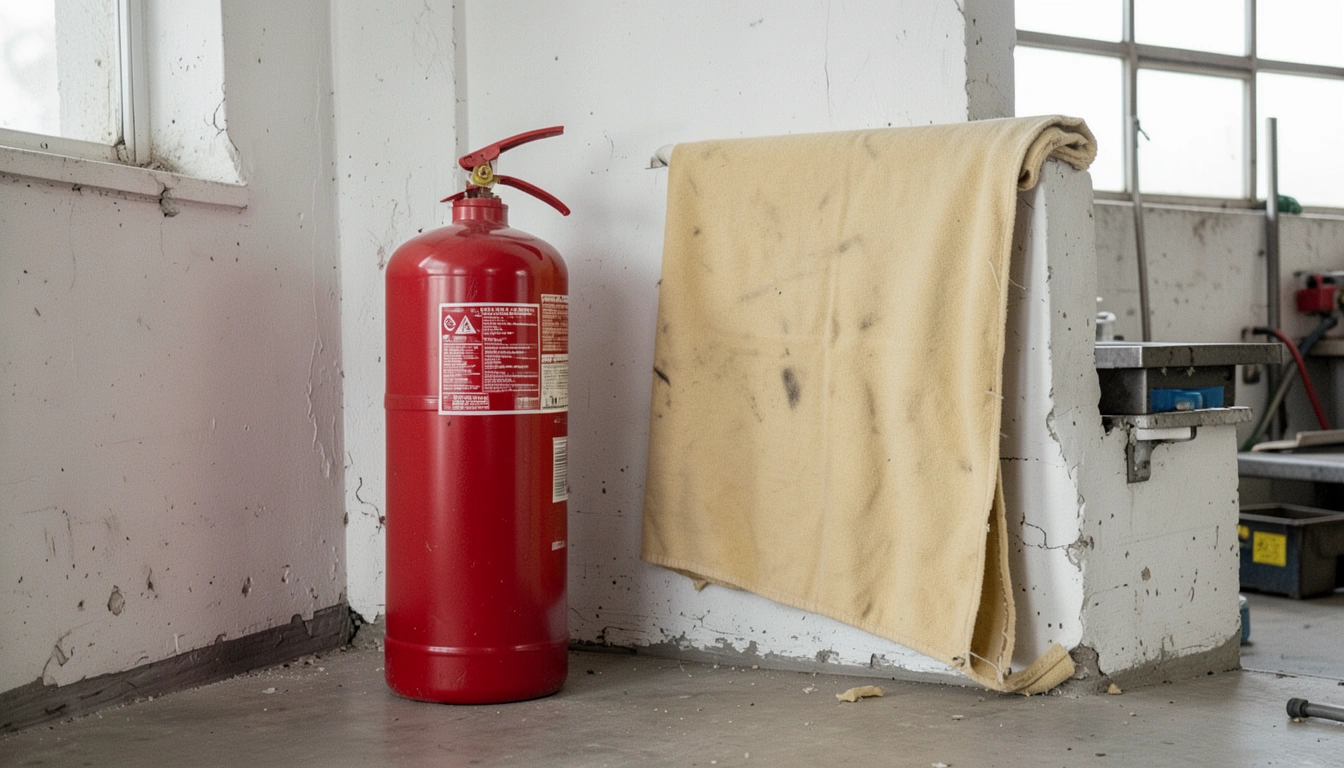
The watch runs for the entire hot work operation and continues afterward because smoldering fires can break out later. 360training notes OSHA requires the watch to continue for at least thirty minutes after hot work is complete, while the NFPA recommends at least an hour. Hot work permits are issued daily and kept on file, and the permit can specify the post-work interval.
Requirements and Training
- No formal education requirement in many listings, but employers expect fire watch training that covers OSHA requirements.
- A common listing asks for OSHA 10 or OSHA 30, basic first aid and CPR and prior fire watch, hot work or industrial safety experience.
- Experience in refineries, industrial services, construction or utility environments is a plus.
- Dependability, attention to detail and the ability to stay alert for long periods.
Fire watchers wear the required PPE. Our welding respirator guide covers fume protection for people working near hot work.
Fire Watch Pay
ZipRecruiter says fire watch workers typically earn between $15 and $25 per hour, depending on experience, location and job complexity. One contractor listing in Alabama posted $20 per hour plus a $70 per day per diem. ZipRecruiter also shows a much wider annual salary spread on its aggregate page, so treat averages with caution and compare actual postings. Overtime and shutdown or turnaround work can raise income.
Fire Watch as a Step Toward Welding
Time on a hot work site teaches you permits, JSAs and site rules, and lets you see welders and fitters at work. If your goal is welding, consider training and then apply to the same employers. See our guide to entry-level welding jobs.
Fire Watch Checklist: Before, During and After
Before hot work starts
- Confirm the hot work permit is signed and posted.
- Walk the area and look for combustibles, including on the other side of walls, floors and ceilings.
- Check that the right fire extinguisher is at hand and charged, and that you know where the nearest alarm is.
- Make sure floor openings, cracks and gaps are covered so sparks cannot fall through.
During hot work
- Watch the work and the area where sparks land the whole time.
- Stay alert and do not take on other tasks that pull your eyes away.
- Stop the work if conditions change or the permit requirements are no longer met.
- Put out small fires only if it is safe and you are trained, and raise the alarm for anything larger.
After hot work ends
- Stay for the full watch period required by your site, at least 30 minutes under OSHA.
- Check for smoldering material, hot spots and smoke, including in hidden spaces.
- Sign off the permit when the area is confirmed safe.
Equipment a Fire Watch Needs
- A suitable, inspected fire extinguisher, or a charged hose where the site requires it.
- Safety glasses or a shaded face shield appropriate for nearby welding.
- Hard hat, high-visibility vest, gloves and safety boots as required by the site.
- A radio or other way to call for help quickly.
- A flashlight for checking dark areas for smoldering material.
Skills That Help You Get Hired
Employers want reliable people who pay attention. Basic fire extinguisher training, an OSHA 10 or OSHA 30 card, confined space awareness and a clean safety record all help. Fire watch roles are often filled through staffing agencies on refinery and plant turnarounds, so being willing to work long shifts and nights helps too. Many fire watches later move into helper and welding roles. See entry-level welding jobs for next steps.
FAQs
What does a fire watch do?
A fire watch observes hot work for fires, checks permit precautions, keeps extinguishing equipment ready and alerts others if a fire starts.
How long must a fire watch stay after welding ends?
OSHA requires at least 30 minutes after hot work ends, and NFPA recommends at least an hour. Follow your permit and site rules.
Do I need certification to be a fire watch?
Many employers want fire watch training and OSHA 10 or 30, plus first aid and CPR, though requirements vary.
How much does a fire watch make?
Listings typically show about $15 to $25 per hour, depending on location and employer.
Can a fire watch do other work at the same time?
No. The fire watch must keep continuous observation and should not take other duties that distract.
What equipment does a fire watch carry?
At minimum, a suitable fire extinguisher and a way to raise the alarm quickly, plus the PPE required by the site.
Bottom Line
Fire watch is an accessible job with real responsibility. It can pay a modest hourly wage and give you industrial site experience that helps you move into welding or other trades.
Sources
- 360training: Fire watch training
- Hard Hat Training: Fire watch qualifications
- ZipRecruiter: Fire watch jobs
- Paylocity: Seasonal fire watch technician listing
- Golden Service Pros fire watch listing