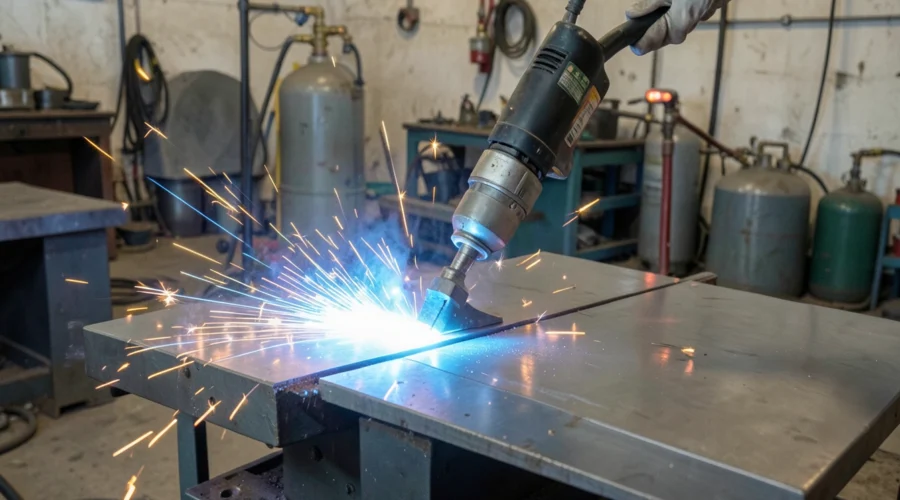
Choose a plasma cutter if you mostly cut sheet metal and plate up to about 1/2 inch, want fast, clean cuts and need to cut stainless or aluminum. Choose an oxy-acetylene torch if you cut thick steel, need to heat or braze, or work where there is no electricity.
Both tools cut steel with heat, but they work very differently. We compared them using manufacturer and industry sources and Amazon listings.
We research every product using manufacturer specifications, published manuals and owner feedback. As an Amazon Associate, GenuineWelding earns from qualifying purchases at no extra cost to you. Prices change often, so check the current price before you buy.
Quick Comparison
| Feature | Plasma cutter | Oxy-acetylene torch |
|---|---|---|
| How it cuts | Electric arc and compressed air melt and blow away metal | Preheat flame burns steel in an oxygen jet |
| Materials | Any electrically conductive metal, including stainless and aluminum | Mainly carbon steel; not stainless or aluminum |
| Speed on thin metal | Much faster | Slower |
| Thick plate | Practical limit for small units, about 1/2 inch | Handles thicker steel |
| Heat distortion | Narrow heat-affected zone | Wider heat-affected zone |
| Needs power / air | Electricity and compressed air | Gas cylinders, no electricity |
| Other uses | Cutting only (some units also weld) | Welding, brazing, heating, bending |
Cutting Speed and Quality
Hypertherm says plasma is at least twice as fast as oxyfuel on metal up to 1 inch thick and far faster on thin material. ESAB notes oxy-fuel cuts tend to be rougher and slower, while plasma gives higher precision and a narrower heat-affected zone, which means less distortion.
Materials and Thickness
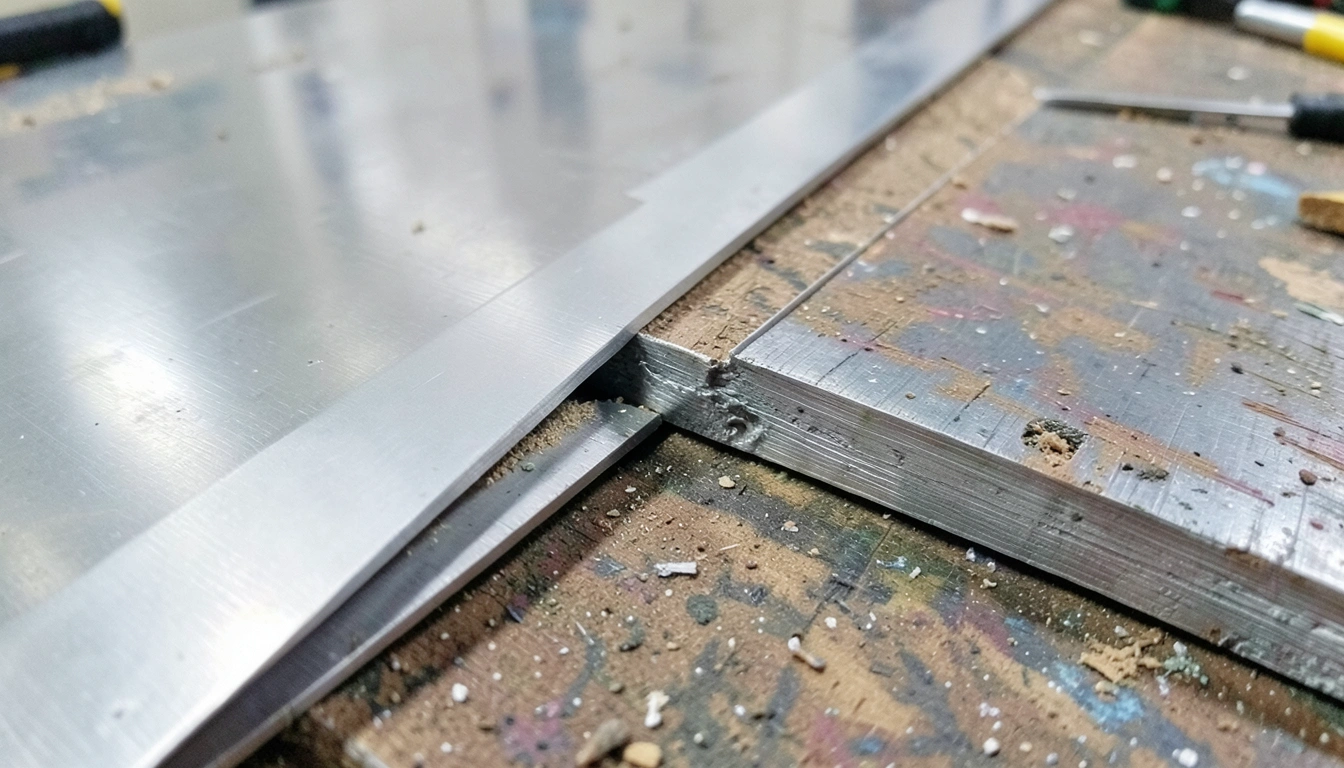
Plasma works on any conductive metal, while oxy-fuel only cuts carbon steel and some alloys. Oxy-fuel has the advantage on thick plate: Hypertherm notes oxyfuel is generally used above about 2 inches, and The Fabricator reports plasma loses its speed advantage at 2 inches and over. Consumer 50 amp plasma cutters are rated for about 1/2 inch clean cuts, so check the maximum thickness before you buy.
Safety and Setup
Oxy-fuel uses a flammable fuel gas and an open flame that stays on until you shut it off. Plasma uses no fuel gas and the arc stops when the torch leaves the metal. On the other hand, plasma needs a compressed air supply and an electrical circuit that suits the machine. Review our welding respirator guide and ventilation advice, because both processes make fume.
Cost and Versatility
An oxy-fuel kit costs less up front than most plasma cutters, but you must buy or rent cylinders and pay for refills. The torch can also braze, heat and weld, which plasma cannot. If you already weld with MIG or stick, see our best flux core welders for a machine that complements either tool.
Plasma Cutters We Recommend
Bestarc 50A Plasma Cutter – Pilot arc plasma

Bestarc 50A Plasma Cutter
50A dual-voltage IGBT plasma cutter with pilot arc and LED display
Bottom line: The Bestarc is a 110V/220V 50 amp plasma cutter with a pilot arc, built-in air sensor and LED display. Its listing claims 1/2 inch clean cuts and 2/3 inch maximum cut.
Pros
- Pilot arc cuts through paint and rust
- Dual voltage for shop or garage
- Digital display shows pressure and current
Cons
- Needs compressed air
- Limited to thin and medium plate
Best for: garage fabricators and farm repair who cut sheet and plate up to about 1/2 inch.
GZ GUOZHI 50A Plasma Cutter – Budget plasma

GZ GUOZHI 50A Plasma Cutter
50A IGBT inverter plasma cutter with 60% duty cycle (per listing)
Bottom line: The GZ GUOZHI is a 110V/220V 50 amp IGBT plasma cutter with a pilot arc, 2T/4T trigger modes and overheating and overcurrent protection. The listing quotes a 60% duty cycle.
Pros
- Low price for a pilot arc plasma cutter
- Dual voltage
- Portable and lightweight per listing
Cons
- Less-known brand, so check warranty terms
- Needs an air compressor
Best for: hobbyists on a budget who want to cut thin to medium steel.
Oxy-Acetylene Kits We Recommend
Hobart 770502 Oxy-Acetylene Cutting & Welding Kit – Medium-duty oxy kit
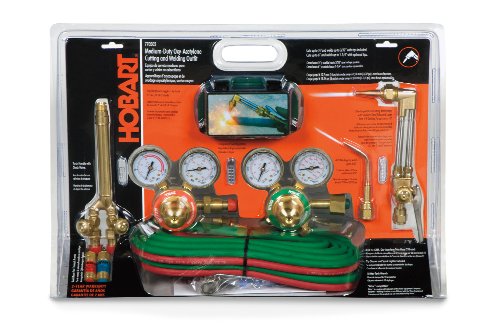
Hobart 770502 Oxy-Acetylene Cutting & Welding Kit
Forged brass handle, reverse-flow check valves, cutting attachment
Bottom line: The Hobart 770502 is a medium-duty oxy-acetylene cutting and welding torch kit with a forged brass handle and cutting attachment, reverse-flow check valves and tips compatible with propane.
Pros
- Cuts thick steel without a power supply
- Does brazing, heating and welding too
- Brand with wide parts support
Cons
- Tanks and fuel are separate costs
- Open flame and fuel gas storage
- Slower and wider heat-affected zone than plasma
Best for: farms, restoration and shops that need heating, brazing and thick-plate cutting with no electricity.
ARCCAPTAIN Oxy-Acetylene Torch Kit – Value oxy kit

ARCCAPTAIN Oxy-Acetylene Torch Kit
Medium-duty kit with check valves, brass valves and regulator gauges
Bottom line: The ARCCAPTAIN kit is a medium-duty oxy-acetylene cutting and welding set with check valves, pure brass valves, hoses and regulator gauges. The listing notes CGA-510 acetylene and CGA-540 oxygen connectors.
Pros
- Complete starter kit
- Check valves included
- Useful beyond cutting: heating and brazing
Cons
- Needs cylinders and a fill service
- Requires proper gas safety training
Best for: beginners who want a complete torch kit at a modest price.
Which Should You Choose?
Choose a plasma cutter if:
- You cut sheet and plate up to about 1/2 inch most of the time.
- You need to cut stainless steel or aluminum.
- You want clean, fast cuts with little grinding afterward.
Choose an oxy-acetylene torch if:
- You cut or heat thick steel regularly.
- You need a torch for brazing, heating or bending as well.
- You work where there is no electricity or compressed air.
FAQs
Is a plasma cutter better than an oxy-acetylene torch?
For thin to medium metal, yes: it is faster and cleaner and cuts more materials. For very thick steel and heating work, oxy-acetylene remains useful.
Can a plasma cutter cut stainless steel and aluminum?
Yes, plasma cuts any conductive metal. Oxy-fuel cannot cut stainless or aluminum.
Do plasma cutters need compressed air?
Yes. Most 50 amp air plasma cutters need a clean, dry air supply from a compressor.
How thick can a 50 amp plasma cutter cut?
Listings for 50 amp units typically quote about 1/2 inch clean cut and a little more as a maximum. Always check the specific model.
Which is cheaper to run?
Oxy-acetylene has lower equipment cost but ongoing gas costs. Plasma uses electricity, air and consumable tips and electrodes.
Final Verdict
For most home and small-shop users who cut up to 1/2 inch, a plasma cutter is the better first purchase. Buy an oxy-acetylene kit if thick steel, heating and brazing are part of your work.
Sources
- Hypertherm: plasma vs oxyfuel
- Hypertherm: plasma benefits over oxyfuel
- ESAB: oxy-fuel vs plasma cutting
- The Fabricator: plasma or oxyfuel